Signs a Campbell house needs a new roof, not another patch
Most homes here were built between the 1950s and the 1970s, so many are on their second or third roof. A single leak usually calls for roof repair. A full replacement starts to make sense when the problems are spread across the whole surface rather than in one spot.
- Leaks in more than one room each November-to-March rainy season, especially after a long atmospheric-river storm.
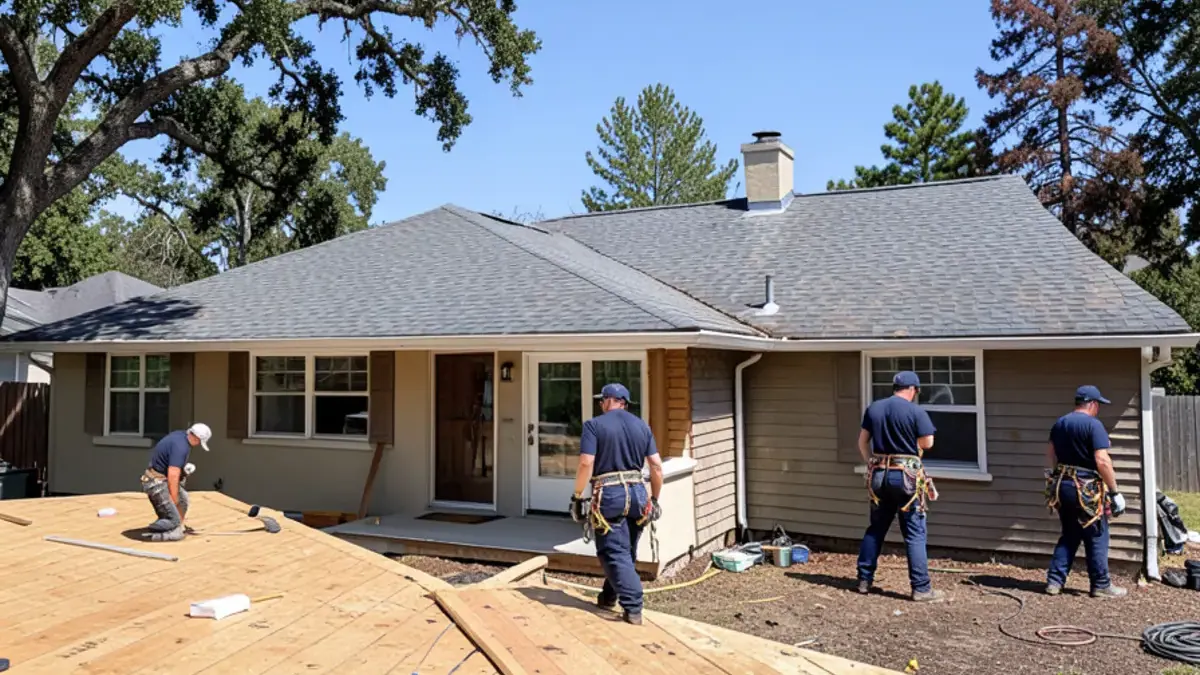
- Brittle, curling or bald shingles on the south and west slopes, where summer sun does the most damage, and dark granules collecting in the gutters.
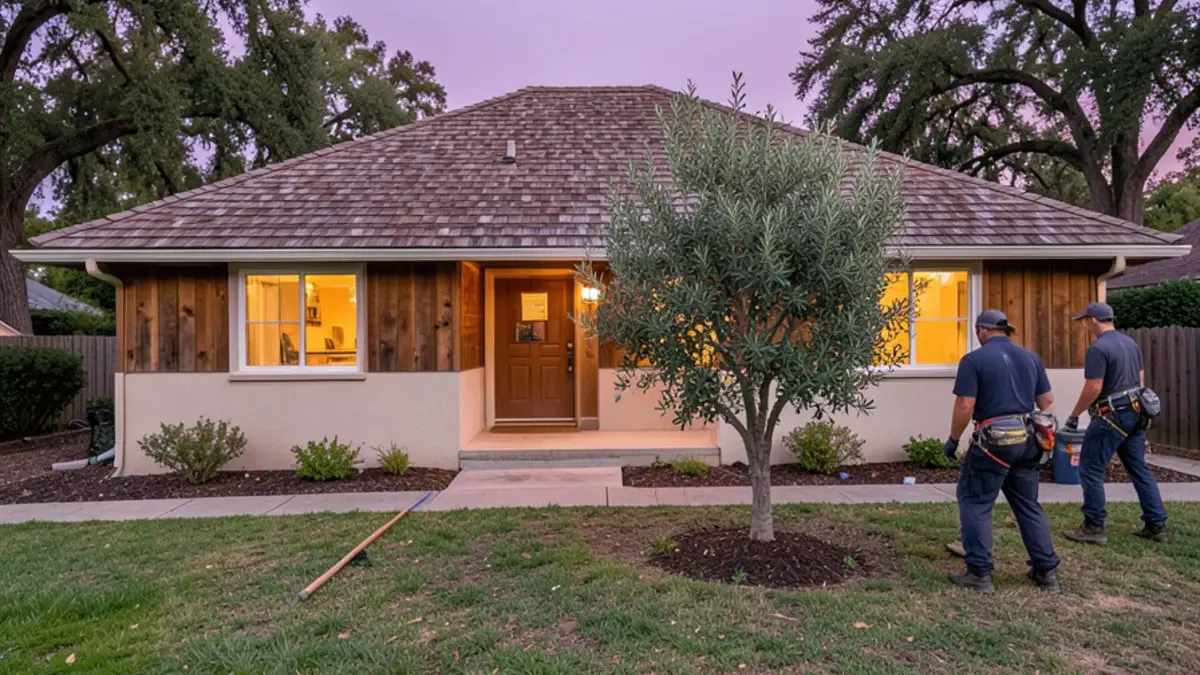
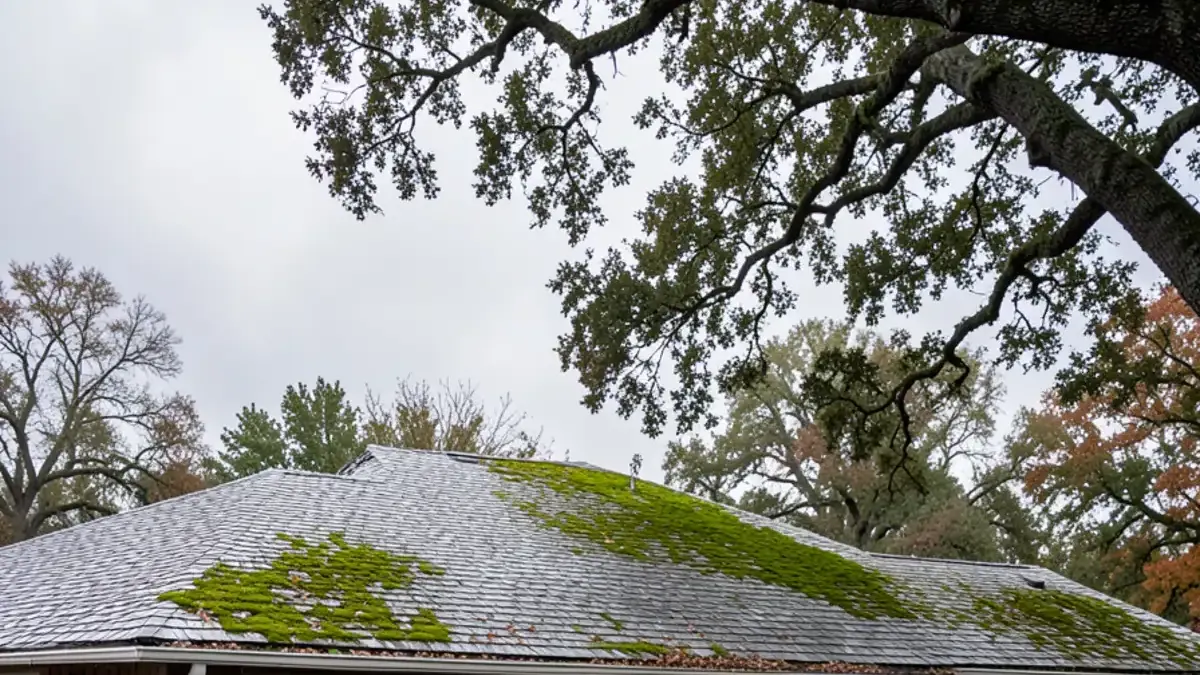
- Split and cupped cedar shakes, moss in the shaded courses, or an insurer asking about the age of the roof.
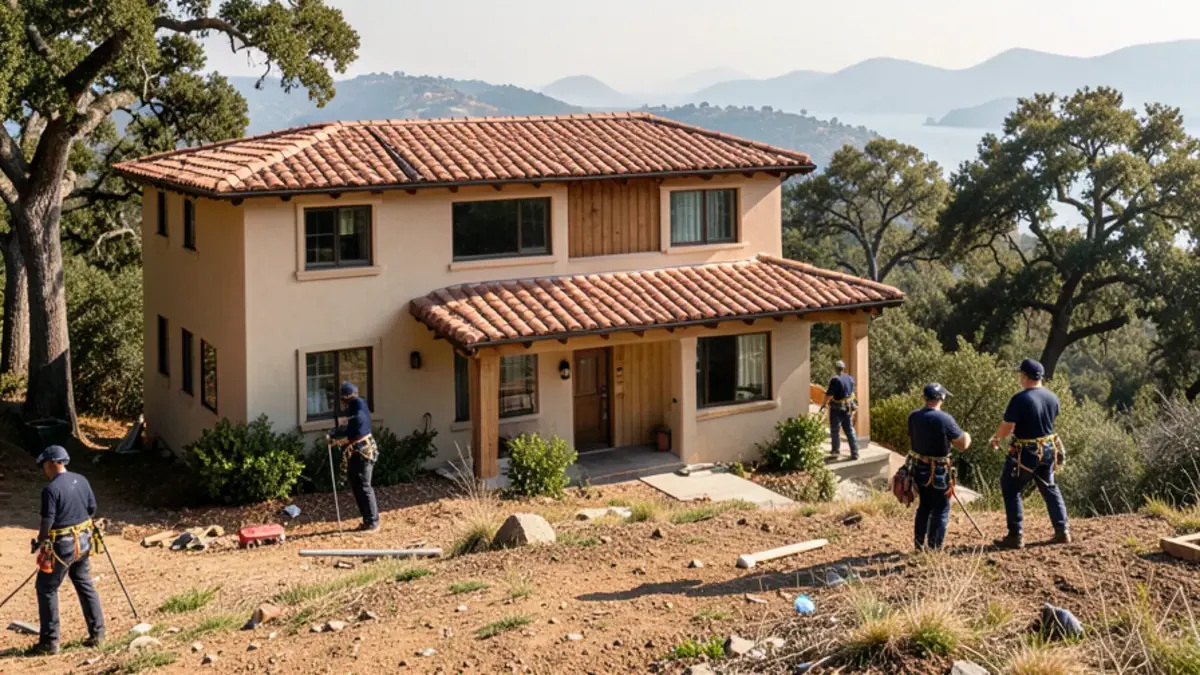
- Tile that looks fine but leaks, because the felt underneath has reached the end of its life.
- A stack of past repairs in different areas, each one adding cost without adding years.
Not sure which side of the line you are on? Our guide to whether to repair or replace a roof in Campbell walks through the decision, and an inspection will show you photos of the actual condition.
What happens during a tear off and reroof?
A residential roof replacement in Campbell follows the same order every time, because the city inspects the work in stages.
- Inspection and photos. We walk the roof, check the attic and flashing, and share pictures (sometimes video) of what we see.
- Written estimate. You get an itemized estimate covering tear-off, materials, flashing, ventilation and a priced allowance for replacing damaged sheathing.
- Permit. We file with the City of Campbell through MyGovernmentOnline, one permit per building, so a detached garage or ADU gets its own.
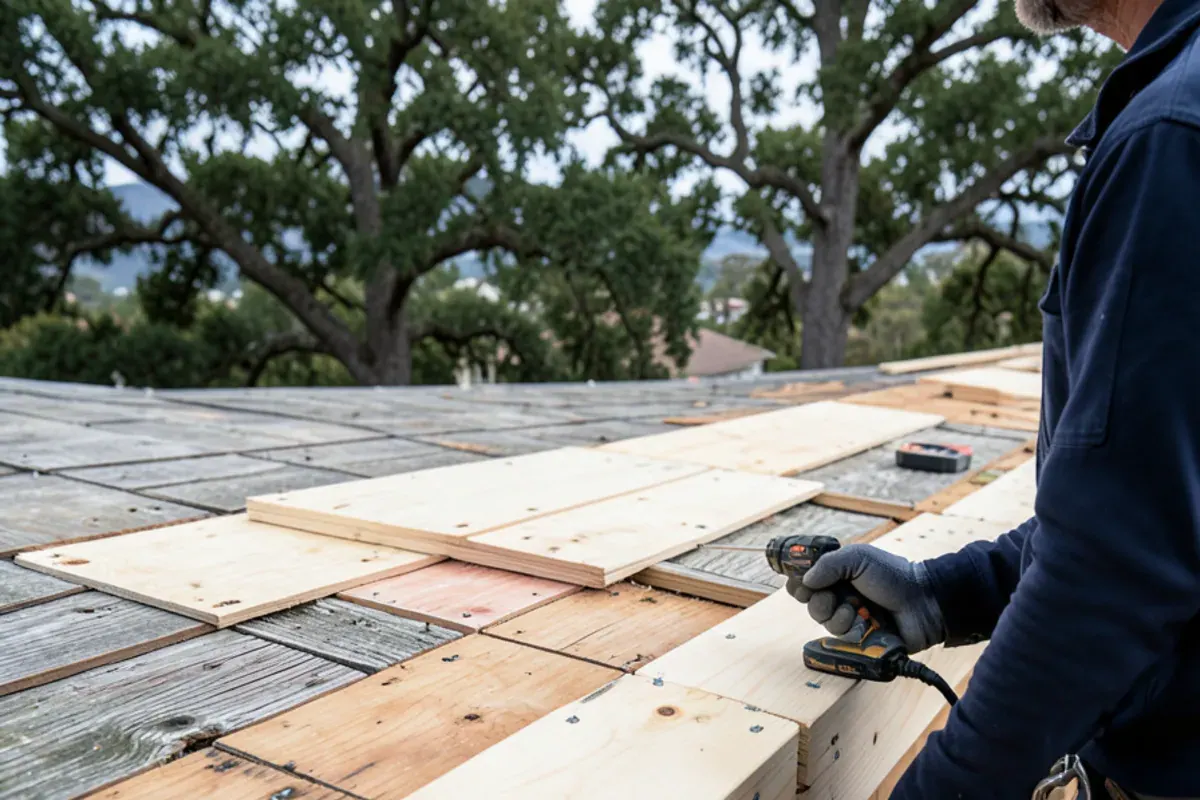
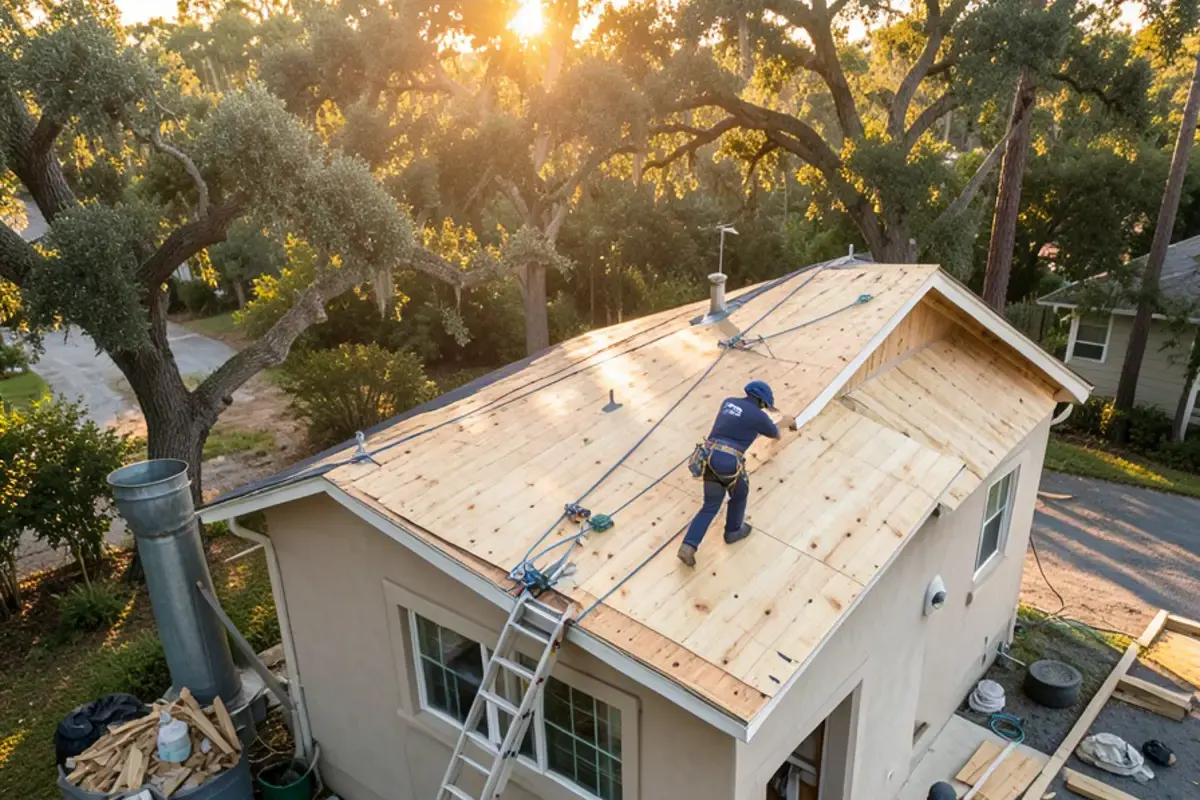
- Tear-off and deck repair. The old layers come off down to the boards; dry rot and soft sheathing are cut out and replaced before anything new goes on.
- Sheathing nailing inspection. The city checks the deck fastening before it is covered.
- Dry-in and new roof. Underlayment, drip edge, valley and wall flashing, vent pipes, ridge or roof vents, then the finished roofing.
- Cleanup and final inspection. Crews clean up daily and haul away debris; the city signs off at the final inspection.
What the reroof covers
- Every old layer stripped to the boards and hauled away.
- New edge and joint metal: drip edge, valleys, step flashing, pipe boots.
- Attic exhaust matched to intake at the eaves.
- Skylights and chimneys re-flashed, or an unused chimney removed.
- Permit, both inspections and the maker's warranty papers.
Questions about roof replacement?
Call first for the quickest answer, or request a free written estimate below.
Request a free written estimate
Fastest answer: call (725) 745-8803. Or send the details below and we will call you back.
Choosing a new roof for a South Bay home
The right material depends on the house's framing, its style, the street it sits on and whether solar is coming. These are the options we install and where each one tends to fit.
| Material | Typical fit | What to weigh |
|---|---|---|
| Architectural asphalt shingle | Single-story ranch homes and tract houses | Lowest weight, wide color range, cool-rated lines available |
| Clay or concrete tile | Spanish, Mediterranean and 1990s-2000s homes | Heavy; framing must be checked; underlayment can be renewed and tiles reused |
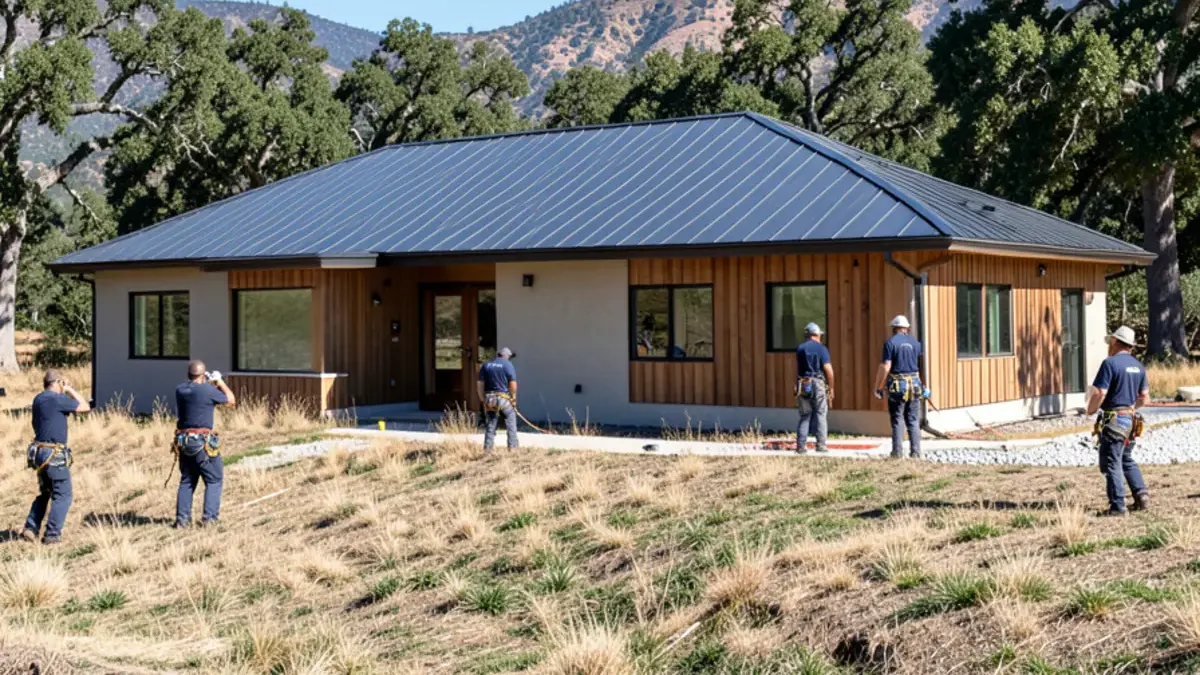
| Standing seam or stone-coated steel | Modern remodels, fire-zone hillside homes | Long service life, Class A assemblies, clean solar mounting |
| Synthetic shake | Homes leaving old cedar shake | Keeps the textured look with better fire ratings |
| Cool-rated surfaces | Any slope where Title 24 or attic heat matters | Reflectance ratings, color choices, energy rules |
Each option has its own page: asphalt shingle roofing for most ranch homes, tile roof installation and re-felts, metal roofing formed on site, shake roof replacement for aging cedar, cool roofs for energy rules and summer heat, and solar-ready roof replacement when panels are on the roof or on the way. Slate roof replacement is rare in the South Bay; where a home has real slate, we discuss synthetic slate as a lighter alternative.
Roof replacement cost in Campbell: the factors behind your estimate
Our site lists no price per square, because two houses on the same street can differ by thousands of dollars. Your written estimate breaks out these factors so you can compare bids line by line.
- Size and shape: total squares, number of hips and valleys, and dormers or additions tied in over the years.
- Pitch and height: steep or two-story roofs need more safety setup and slow the crew.
- Layers to remove: an old overlay or heavy shake adds tear-off labor and dump weight.
- Deck condition: dry rot near eaves, and spaced boards under shake that need solid sheathing.
- Material and system: shingle grade, tile type, metal gauge, underlayment and ventilation upgrades.
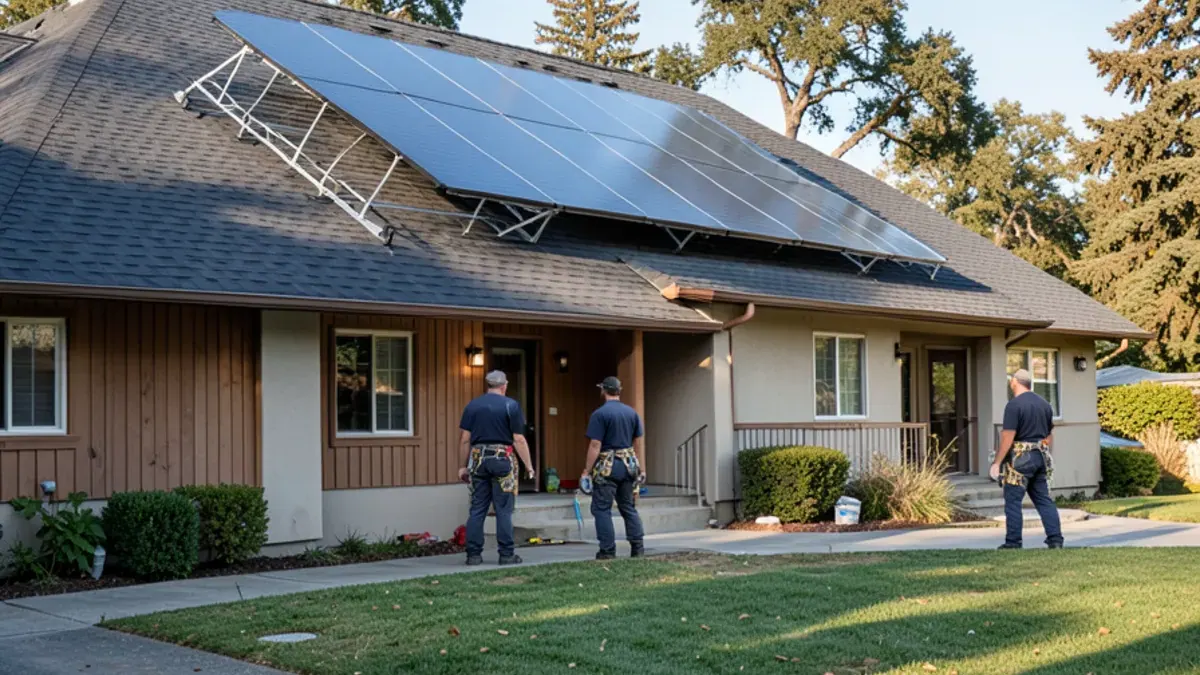
- Flashing and penetrations: chimneys, skylights, solar mounts and wall junctions; an unused chimney can be removed during the reroof.
- Code items: permit fees plus whatever Title 24 energy measures your scope triggers.
For third-party price ranges and how to read them, see our roof replacement cost guide for Campbell.
Want your own itemized number? Call (725) 745-8803 for a free reroof estimate with photos.
Call (725) 745-8803Roof overlay in Campbell versus a full tear-off
An overlay puts new shingles over one existing layer. It saves tear-off labor, but it hides the deck, adds weight and can shorten the new roof's life. California's building code does not allow a re-cover over tile or slate, over a roof that already has two layers, or over wet or deteriorated roofing, and the City of Campbell wants dry rot gone before it signs off a reroof, which is hard to confirm under an old layer.
For those reasons we recommend a full tear-off on almost every Campbell home. If an overlay is technically possible on yours, we will price both and explain the trade-off; check with the city's building division if you want its view on your specific roof. Our article on roof overlay vs. tear-off in California covers the details.
Which permits and inspections does a Campbell reroof need?
Inside city limits, the City of Campbell issues residential reroof permits online through MyGovernmentOnline, to a C-39 roofing contractor or to an owner-builder. Expect a sheathing nailing inspection and a final inspection. A few situations add steps:
- Registered historic homes need Planning review before the building permit.
- Heavier roofing than the existing one, such as shingle to tile, may need an engineer's review of the framing.
- Unincorporated pockets with Campbell or San Jose mailing addresses get their permits from the Santa Clara County Planning and Development Department, not the city.
- Title 24, Part 6 energy rules may call for a cool-rated surface, depending on climate zone (Campbell is Zone 4), slope and what fraction of the roof is redone.
- Hillside homes in Los Gatos and Saratoga may sit in CAL FIRE fire hazard severity zones, where the state's wildfire-area building standards expect a Class A roof assembly and vents that keep out embers.
Ventilation, gutters and the rest of the roof system
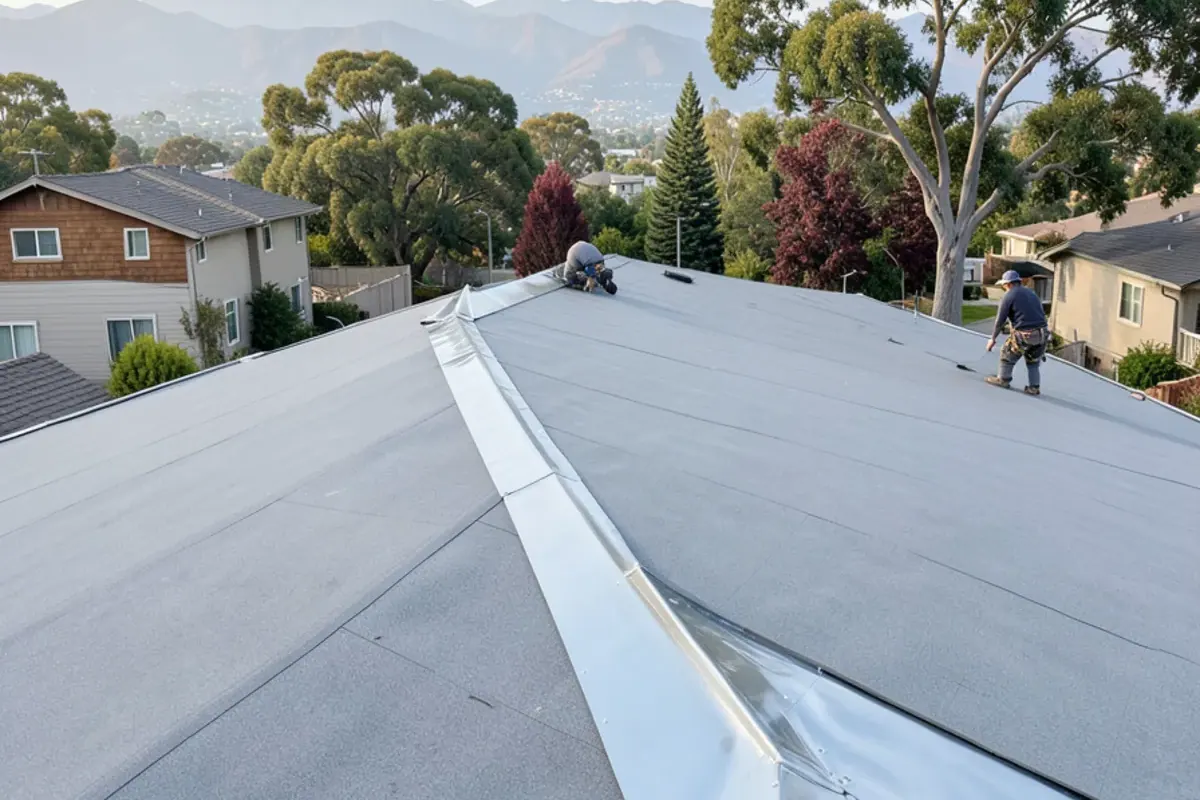
A reroof is the cheapest moment to fix problems the old roof was hiding. Ridge vents can be cut in, blocked soffit vents opened and bath fans routed outdoors; our attic ventilation page explains why balanced intake and exhaust protects new shingles from summer heat. If the gutters are undersized or pulling away from rotted fascia, replacing them right after the roof avoids disturbing the new drip edge later; see our gutter installation and repair services.
Why owners hand us the reroof
Before the tear-off, we cover plants and walkways near the eaves, and crews clean up at the end of every working day. When the job is done, we walk the yard and driveway for stray nails and debris before the final inspection. We are family-run, and the free estimate arrives in writing with photos of your own roof. If those photos show years left, we price a repair instead. After wind or tree damage, our office prepares the pictures your insurer asks for.