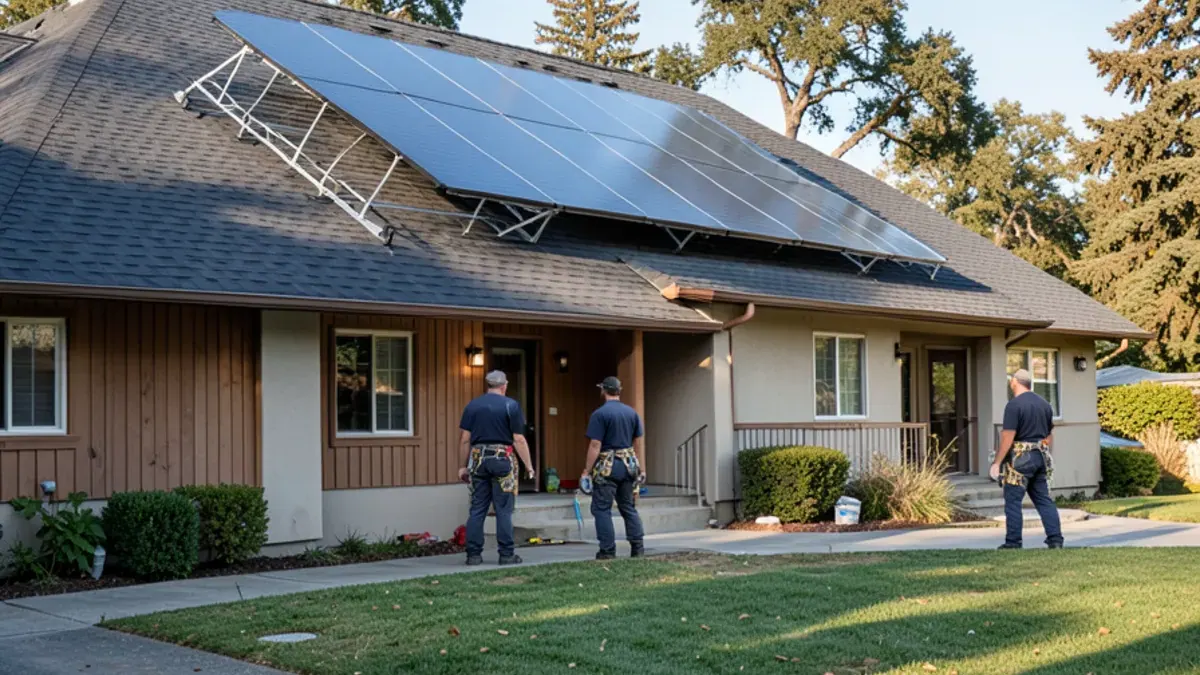
Planning solar? Check how many years your roof has left
Solar arrays are designed to stay on a roof for decades. If the roof under them wears out first, the array has to be detached, stored and reinstalled so the roof can be replaced, which adds a second contractor, a second set of permits and weeks without generation.
- Roof near the end of its life: replace first, then let the solar company install on the new deck.
- Roof in the middle of its life: get an inspection and decide with numbers; partial work such as new flashing and vent boots under the future array area can help.
- Roof nearly new: go ahead with solar, and make sure mount flashing is done to the roofing manufacturer's standards.
Our free inspection includes photos of the slopes your installer wants to use, so you can share them with the solar company.
What a solar-ready reroof includes
- Tear-off and deck repair across the array footprint, the area that will be hardest to reach later.
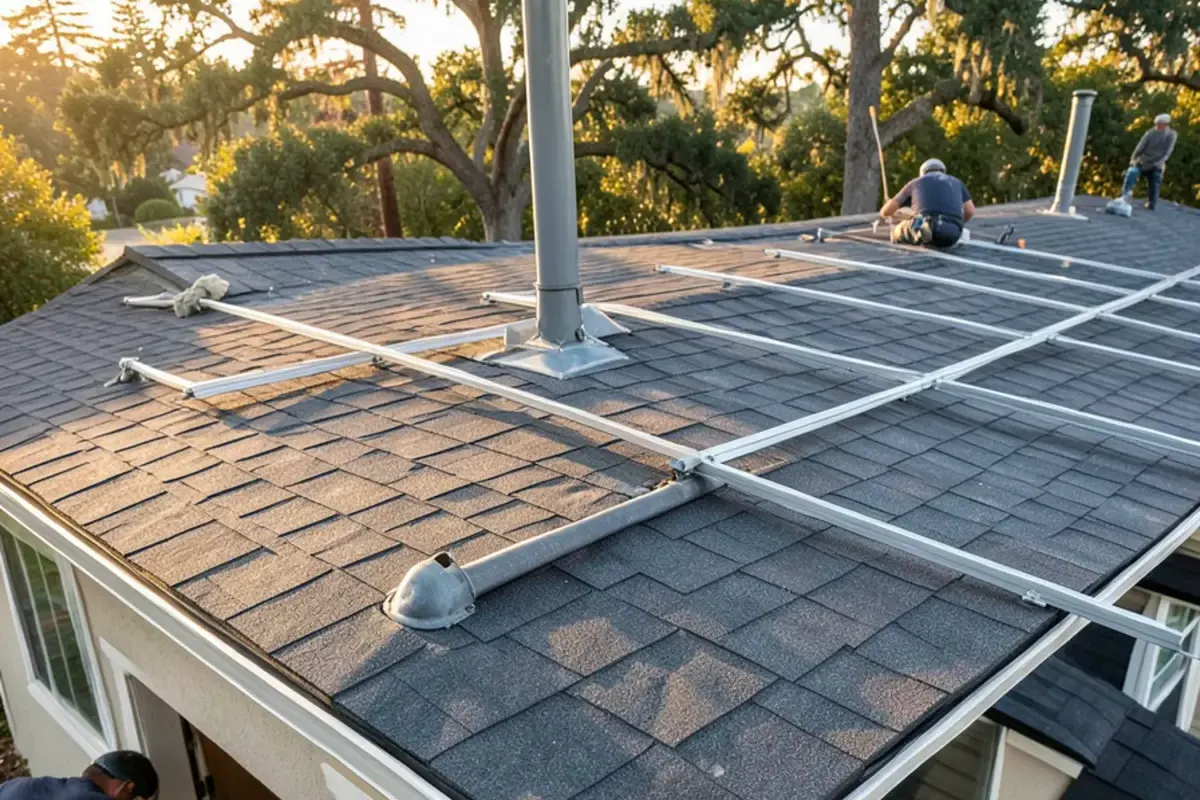
- Roof jacks and exhaust vents moved outside the planned array area where the layout allows.
- New underlayment and flashing with mount locations agreed with your installer before shingles go on.
- Boots on conduit penetrations instead of caulk.
- Photos of the finished deck and roof to pass along to the solar company.
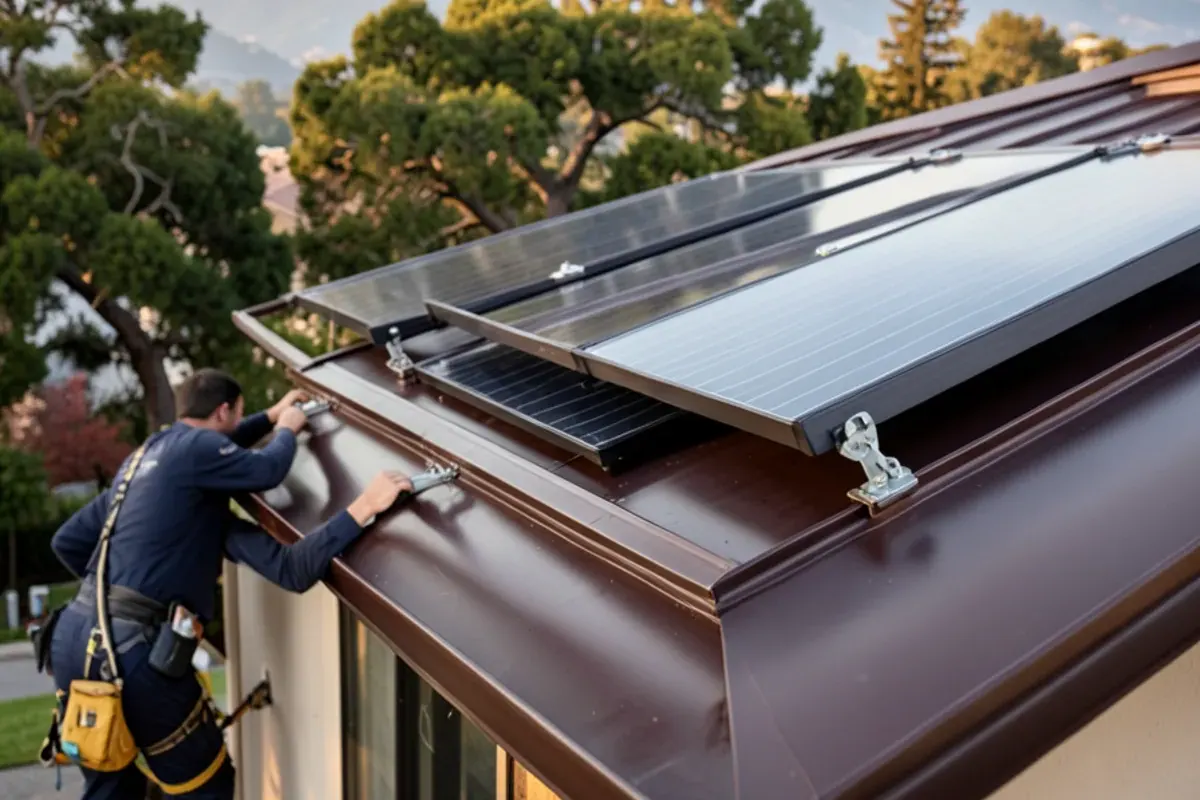
Already have panels? How a reroof under solar panels works
Plenty of South Bay homes got solar on roofs that were already middle-aged, and those roofs are now coming due. The sequence below keeps responsibilities clear.
- We inspect the roof and, where we can, photograph the area beneath the array.
- You contact your solar company (or one it designates) to schedule panel removal and reinstall; electrical disconnection is their work, not ours.
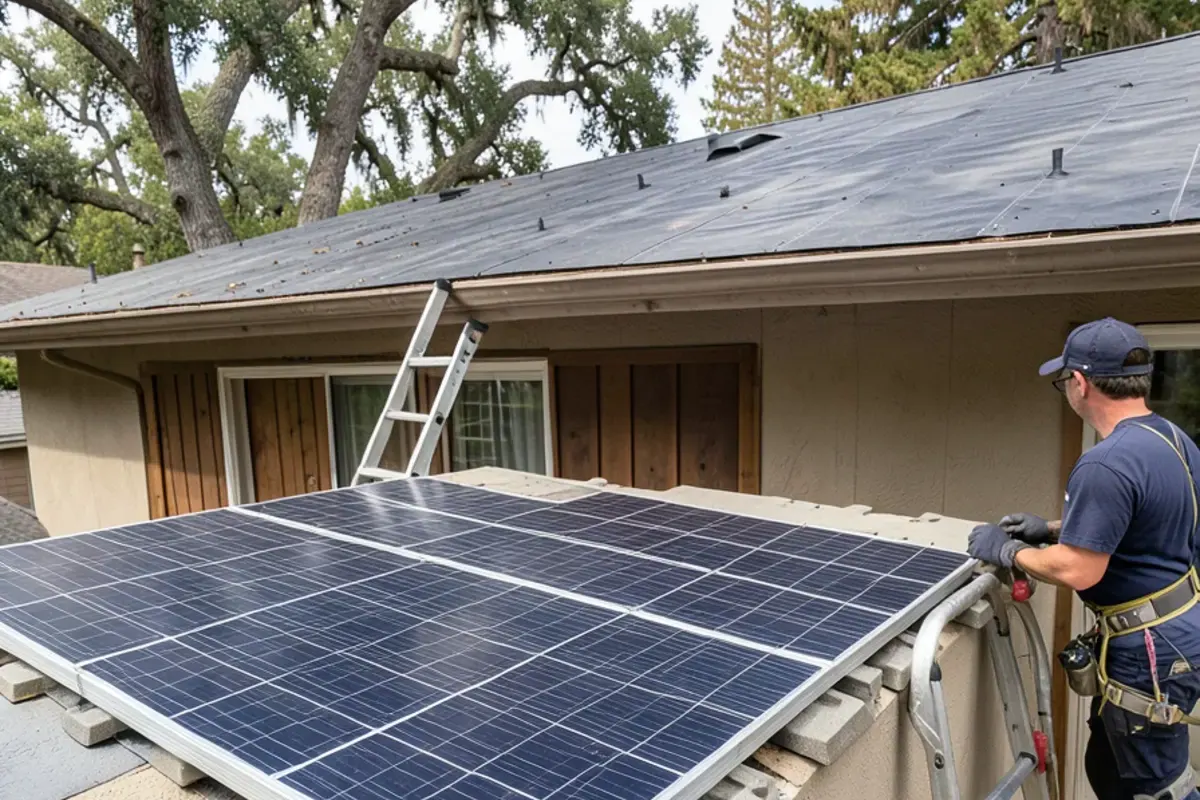
- The installer detaches the panels and racking and stores them, on site or off.
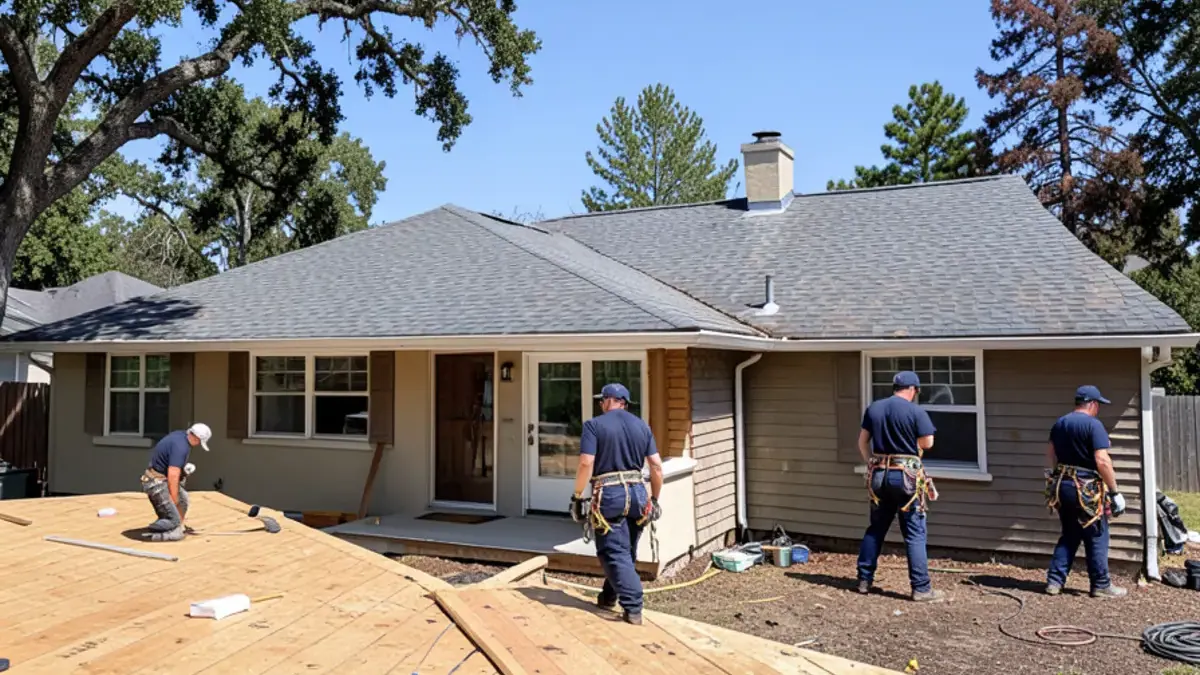
- We tear off, repair the deck, pass the City of Campbell sheathing nailing inspection and install the new roof.
- Mounting points are re-established and flashed into the new roofing, coordinated with the installer's layout.
- The installer reinstalls and recommissions the array; required electrical inspections are on their permit.
Questions about solar-ready roof replacement?
Call first for the quickest answer, or request a free written estimate below.
Request a free written estimate
Fastest answer: call (725) 745-8803. Or send the details below and we will call you back.
Who handles each part of solar panel removal and reinstall?
| Task | Usually handled by |
|---|---|
| Shutting down and disconnecting the system | Solar company |
| Removing, storing and reinstalling panels and racking | Solar company or its designated crew |
| Tear-off, deck repair and new roofing | Roofer |
| Flashing at roof penetrations and mounts | Agreed in advance between roofer and solar company |
| Reroof permit and inspections | Roofer, through the City of Campbell or the County |
| Electrical permit and reconnection | Solar company |
Ask your solar company whether removing the panels affects its own warranty terms on the system. The roof's material warranty comes from its manufacturer under that maker's terms.
Permits and fire-code setbacks for roofs with solar
The reroof and the array are permitted separately. We file the reroof on MyGovernmentOnline, and the city inspects the sheathing nailing and the finished roof; unincorporated parcels go through the County. The solar company carries the electrical permit, and California's SB 379 pushes cities and counties toward automated online permits for standard home solar. The California Residential Code also requires fire-access pathways on roofs with panels, including clear space along the ridge, so a reinstalled array may not match the old layout exactly. Check both companies' licenses with the CSLB before work starts.
Why do leaks show up under solar panels?
A leak under an array is hard to see and harder to reach. The common sources are predictable:
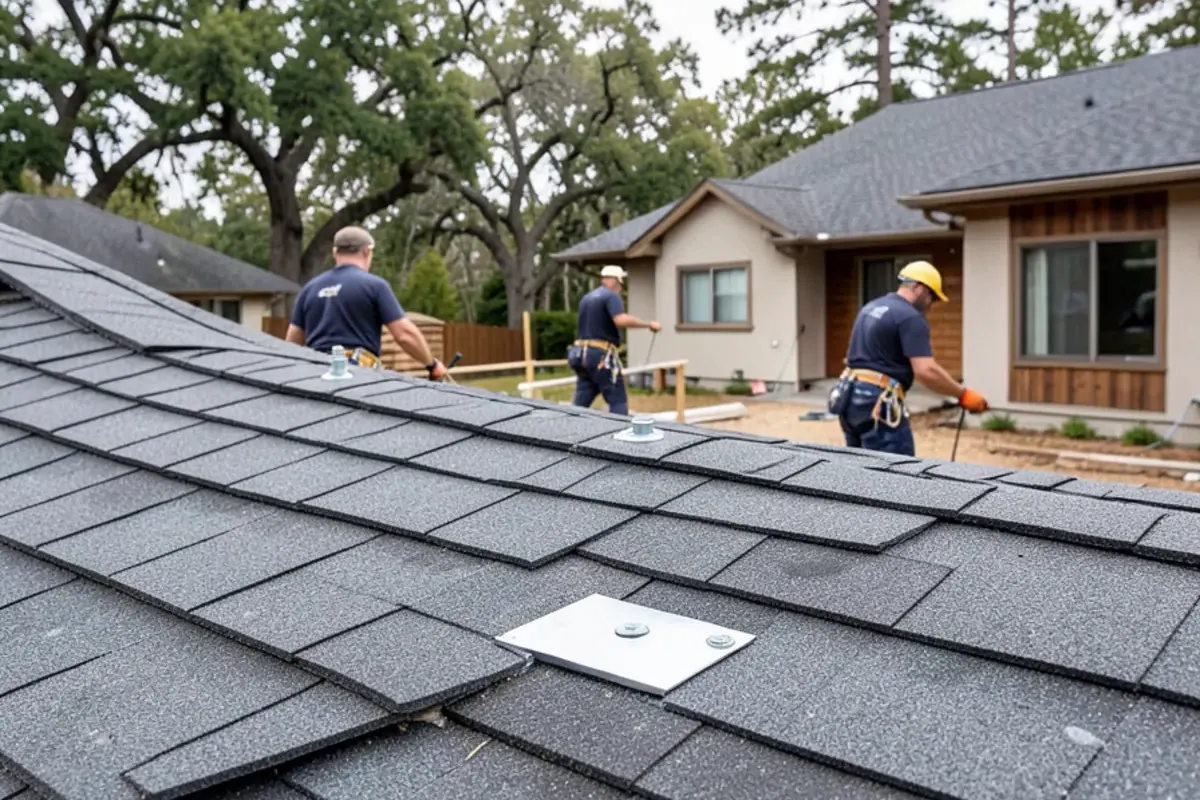
- Mount penetrations sealed with caulk alone instead of flashed into the roofing
- Conduit runs and junction boxes fastened through the roof without boots
- Leaves and needles collecting behind the array and damming water during long storms
- Pigeons nesting under the panels, packing debris against shingles and vents
- An older roof aging underneath, where the shade hides cracked shingles until a ceiling stain appears
Solar mount flashing should be integrated with the shingles or tile so water runs over it, the same principle as a vent pipe boot.
What drives the cost of reroofing around solar?
We do not post prices, and with solar involved there are two bills: ours for the roof and the solar company's for detaching and reinstalling the array. The roofing side moves with these variables:
- Roof size and material, and whether the deck under the old array is sound once the roofing is off.
- Mount count, since every attachment point has to be flashed into the new roofing.
- Conduit and junction-box penetrations that need real boots.
- Vent and pipe relocation out of the array footprint.
- Schedule gaps if the solar crew's dates split the job.
On the solar side, ask your installer to put removal, storage, reinstall, bird screening and recommissioning in writing, so the two estimates together show the full cost.
Which roof material makes the strongest base for solar?
The goal is a roof that will last as long as the array, with mounts that are simple to flash.
- Architectural shingles are the most common base in the South Bay; mounts flash cleanly and a new asphalt shingle roof is the lowest-cost way to reset the clock before panels.
- Standing seam metal lets clamps grip the seams, so the array attaches without drilling.
- Tile works, but mounts require tile hooks or replacement flashing pieces, and broken tiles during installation are common; a re-felt before solar goes on is worth considering on older tile roofing.
- Old cedar shake is a poor base and should be replaced first.
Why solar owners bring us in first
We are a family-run roofer, and the free inspection documents every slope the array will use. The written estimate itemizes mount re-flashing apart from the roof itself, and if your roof has enough life left to carry the panels, we tell you that instead of selling a reroof. Crews clean up daily, which matters when panels are stored in the side yard.
Getting solar quotes? Have us check the roof first so the timing is right.
Call (725) 745-8803