
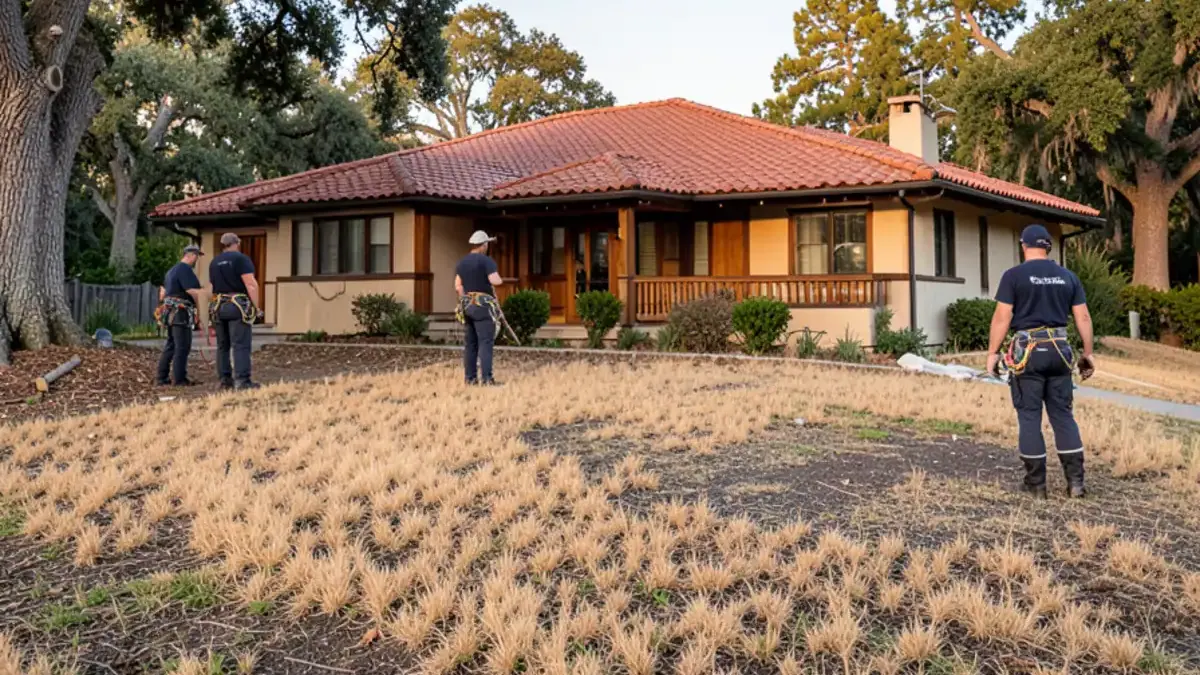
Ground leases, university review and County permits
Stanford's campus is unincorporated, so building permits for faculty homes are issued by the Santa Clara County Department of Planning and Development. The lease adds another layer. Exterior changes, including a new roof material or color, may need sign-off from the university's housing or architectural review staff before the County permit is filed. Ask Stanford's Faculty Staff Housing office what your lease requires; we supply the written scope, material specifications and photos they typically ask for.
- Roof inspection with photos, and video where it helps show a problem.
- A free written estimate with materials, colors and scope spelled out for the university review.
- County permit filing once any university approval is in hand.
- Installation with daily cleanup, then County final inspection.
Roofing services Stanford homeowners ask for most
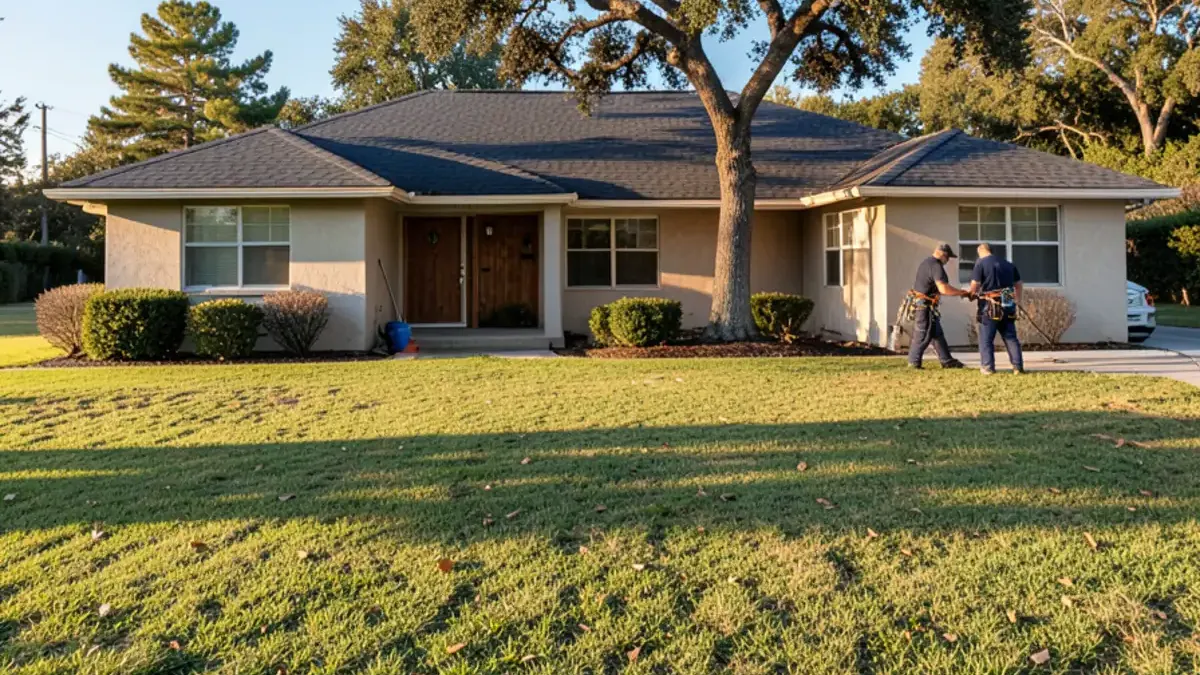
Roofing Contractor in Campbell
A Campbell crew that understands County permitting on unincorporated Stanford land and the extra university review a ground lease can bring, and writes estimates detailed enough for Faculty Staff Housing to evaluate.
Learn more →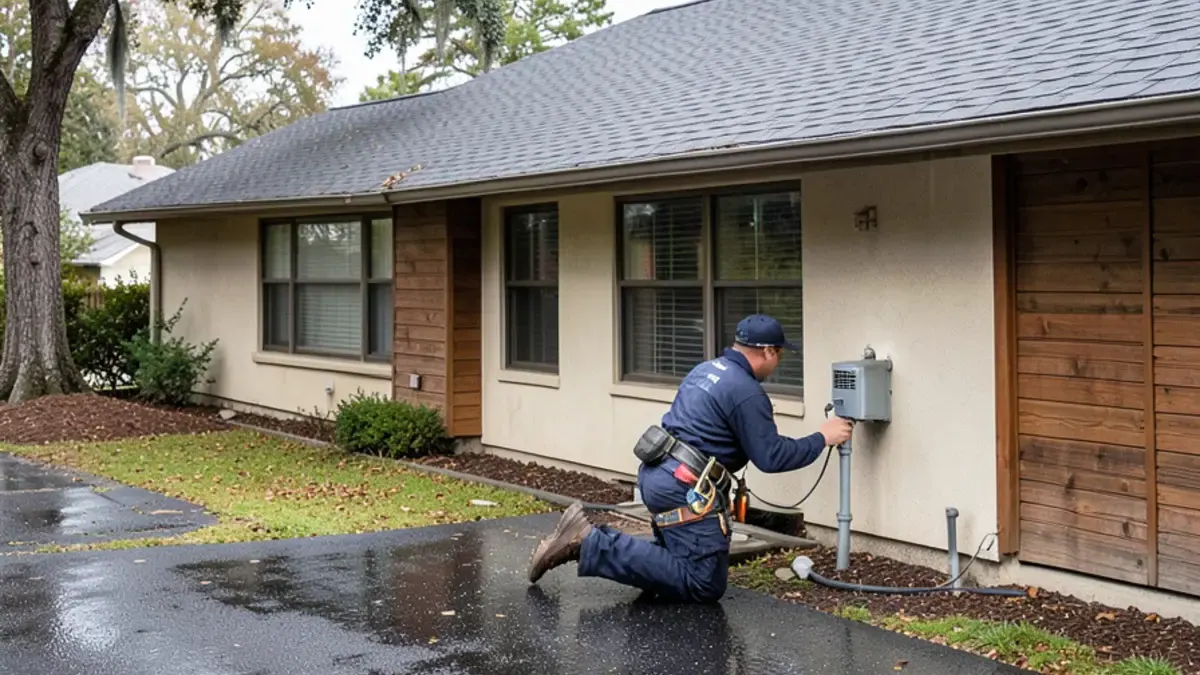
Roof Repair
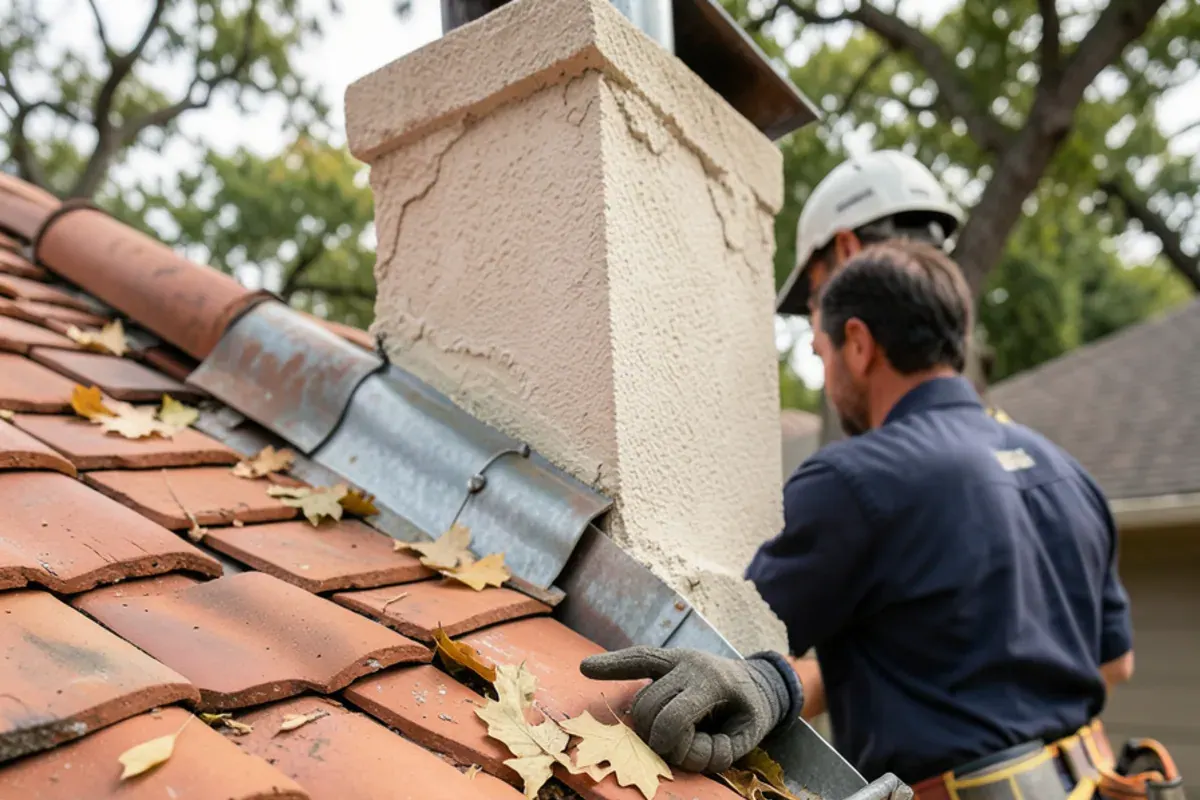
Chimney flashing on houses shaken in 1906 and 1989, broken clay tile and worn wood shingles on early San Juan Hill faculty homes call for careful spot repair rather than a rushed reroof.
Learn more →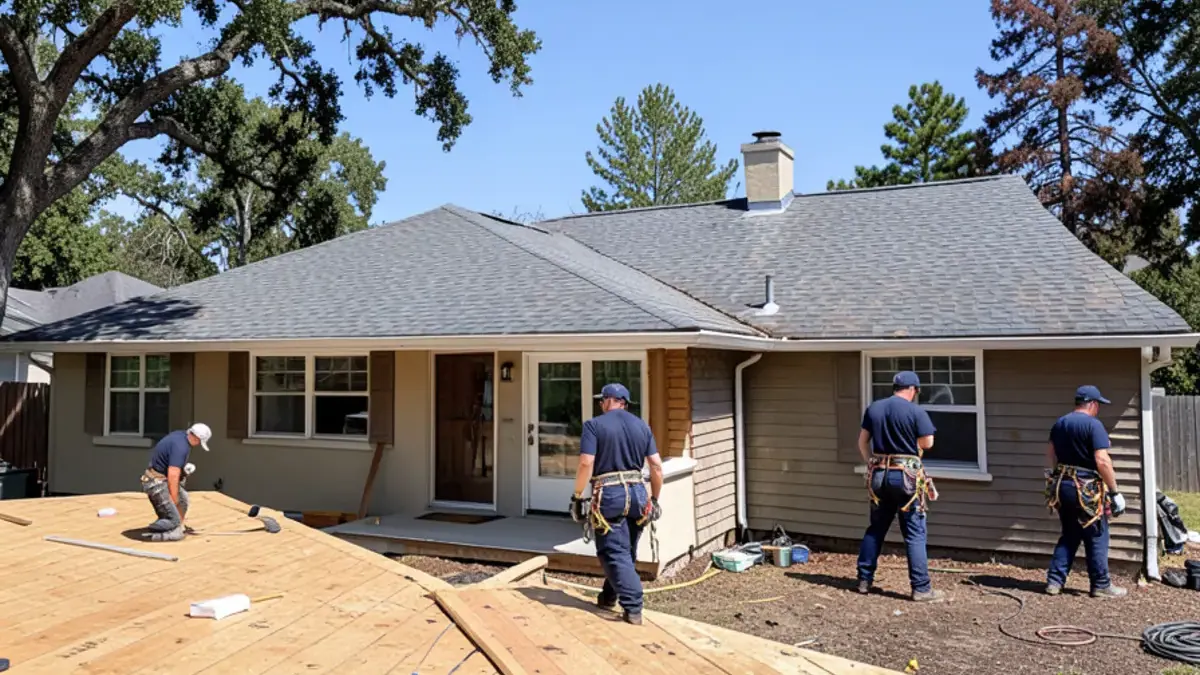
Roof Replacement
Class A synthetic shake or clay tile relaid over new underlayment keeps a campus home's character while replacing a worn roof, with the material and color documented for any lease-required review.
Learn more →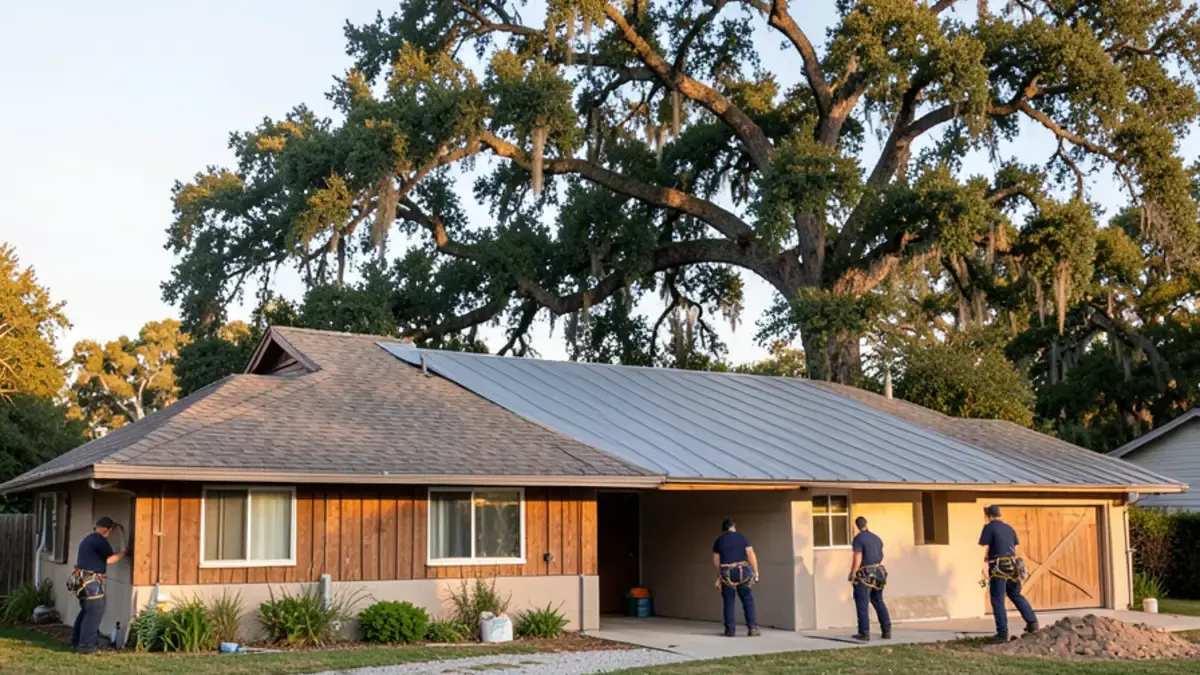
Flat Roofing
Mid-century faculty homes on Frenchman's Hill and elsewhere on campus have low-slope sections that need membrane, foam or coating work, often around skylights and roof-to-wall joints.
Learn more →
Skylights
Older skylights over studies and stairwells are frequent leak points in Stanford faculty houses, and replacing them during a reroof avoids opening new roofing later for a second permit.
Learn more →
Gutters & Downspouts
Mature oaks across the campus residential areas drop leaves into gutters and valleys every fall, and hillside downspouts that clog send runoff across neighboring lots and walkways.
Learn more →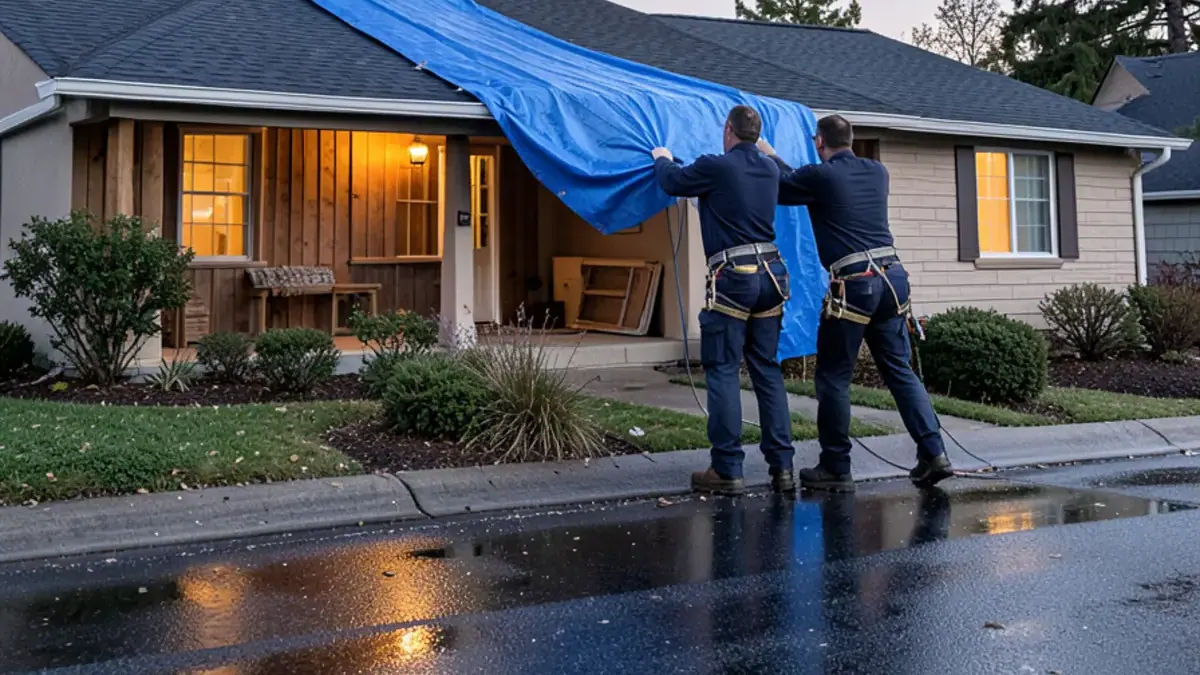
Emergency Roof Repair
Winter storms bring oak limbs down on campus roofs. We cover the opening, document the damage in photos an insurer can use, and coordinate the permanent repair with the County and the university as needed.
Learn more →
Roof trouble in Stanford?
We drive out from Campbell (about 35 min (20 mi)). Call to book an inspection.
From San Juan Hill to newer faculty neighborhoods
Faculty housing spans more than a century. On San Juan Hill, early-1900s houses carry steep roofs, clay tile or wood shingle, and old chimneys. Faculty neighborhoods developed after World War II add mid-century homes, some with low-slope roofs and skylights. Mature oaks shade much of the residential area.
- Old chimneys: the 1906 and 1989 earthquakes both damaged campus masonry, and older faculty-home chimneys deserve a flashing and crown check.
- Wood shingle roofs: aging shakes on hillside lots are often replaced with Class A synthetic shake or composition that keeps the look.
- Low-slope sections: mid-century homes need membrane or coating work; see our flat roofing page.
- Skylights: older skylights over studies and stairwells are a common leak point, covered on our skylights page.
The hills add their own risk. San Juan Hill and Frenchman's Hill rise toward the open grassland around the Dish, and that grass dries out by early summer upslope of many faculty roofs. Check whether your home falls in a CAL FIRE hazard zone before choosing materials; on hillside wood roofs we price Class A alternatives as a matter of course. Oak leaf drop fills valleys and gutters every fall, and the clay tile on early houses often still sits on original felt that dried out long ago.
Hanna House, the Dish and the faculty streets off Junipero Serra
The Stanford census-designated place counted 21,150 residents in 2020, most of them students in university housing. Owner-occupied faculty and staff homes are spread across San Juan Hill, Frenchman's Hill and newer enclaves such as Olmsted Terrace, all on ground-leased university land. San Juan Hill holds two National Historic Landmarks, Frank Lloyd Wright's 1937 Hanna House and the Lou Henry Hoover House, a sign of how closely exterior change is watched there. Frenchman's Hill homes date mostly from the late 1960s.
We reach campus on I-280, exiting toward Junipero Serra Boulevard or Sand Hill Road, then follow Campus Drive or Stanford Avenue into the residential streets, with Page Mill Road along the southern lands. Santa Clara County governs campus growth through Stanford's General Use Permit, which is why the County, not Palo Alto, keeps the building records for these homes. Hillside lanes leave little room for a materials drop, so we plan deliveries and debris bins before the first day.
What we bring to a campus homeowner
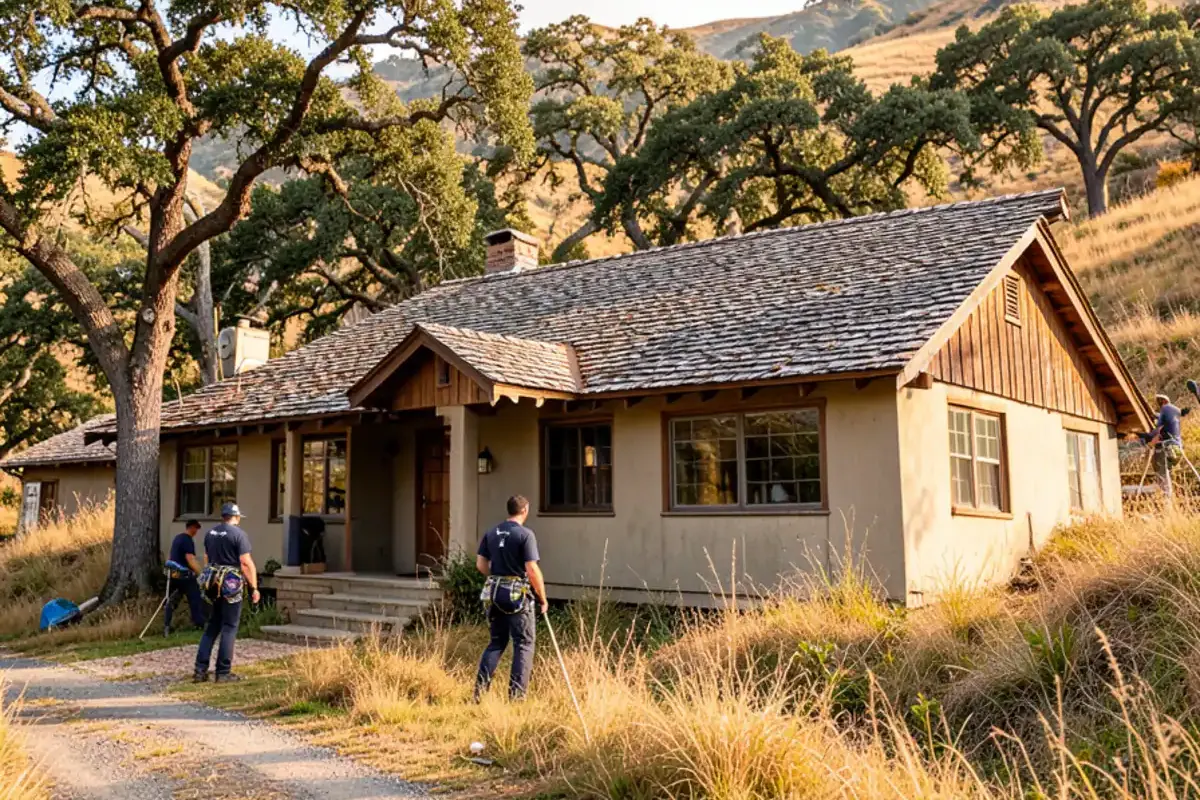
We have not posted any Stanford projects or reviews from campus residents, and we will not suggest otherwise. What we offer is a family-run crew from Campbell, photo-documented inspections, itemized estimates that hold up to a university review, and familiarity with County permitting for unincorporated land. Many faculty homes need small, careful repairs rather than full reroofs, and we take those jobs too.
Choosing roof materials that suit a historic campus setting
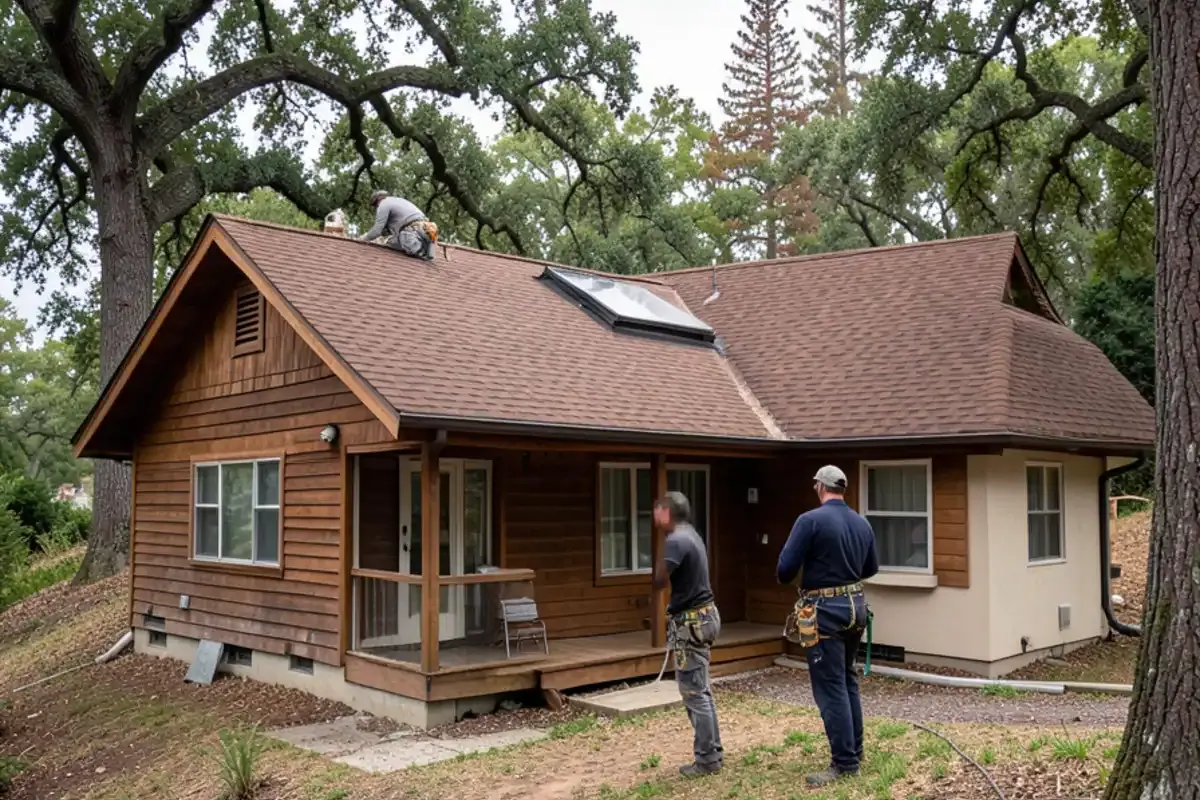
Clay tile and wood-look roofs fit the campus character. Replacing wood shingles with a Class A rated synthetic shake, or relaying clay tile over new underlayment, usually keeps the appearance while improving fire and leak performance. Our roof replacement page lists the systems we install, and any material warranty is the manufacturer's, issued on that maker's terms, while workmanship terms appear on your estimate.