Why so many South Bay cedar roofs are reaching the end
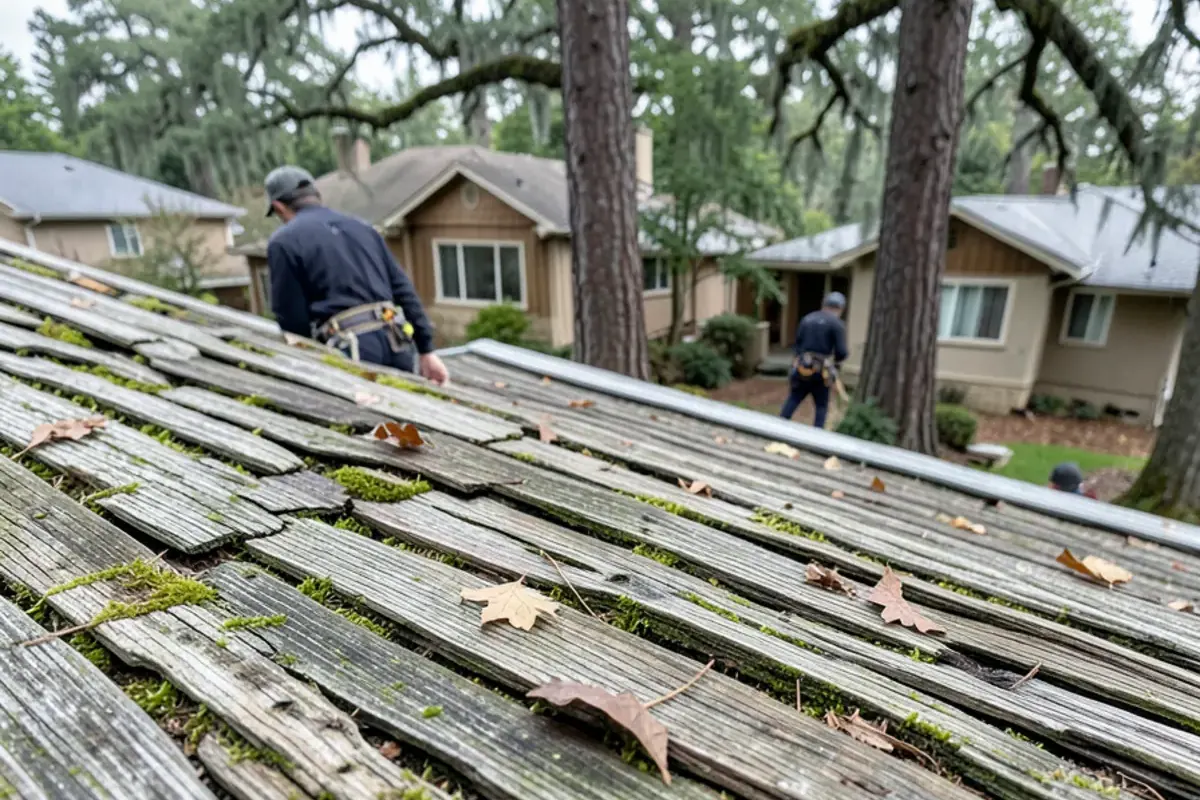
Cedar shake was a popular upgrade on Campbell, Saratoga and Los Gatos homes through the 1970s and 1980s. Many of those roofs have now been through decades of dry, UV-heavy summers followed by soaking winters. Wood swells in the rain and shrinks in the heat, and over time the shakes split along the grain, curl at the butts and lose thickness.
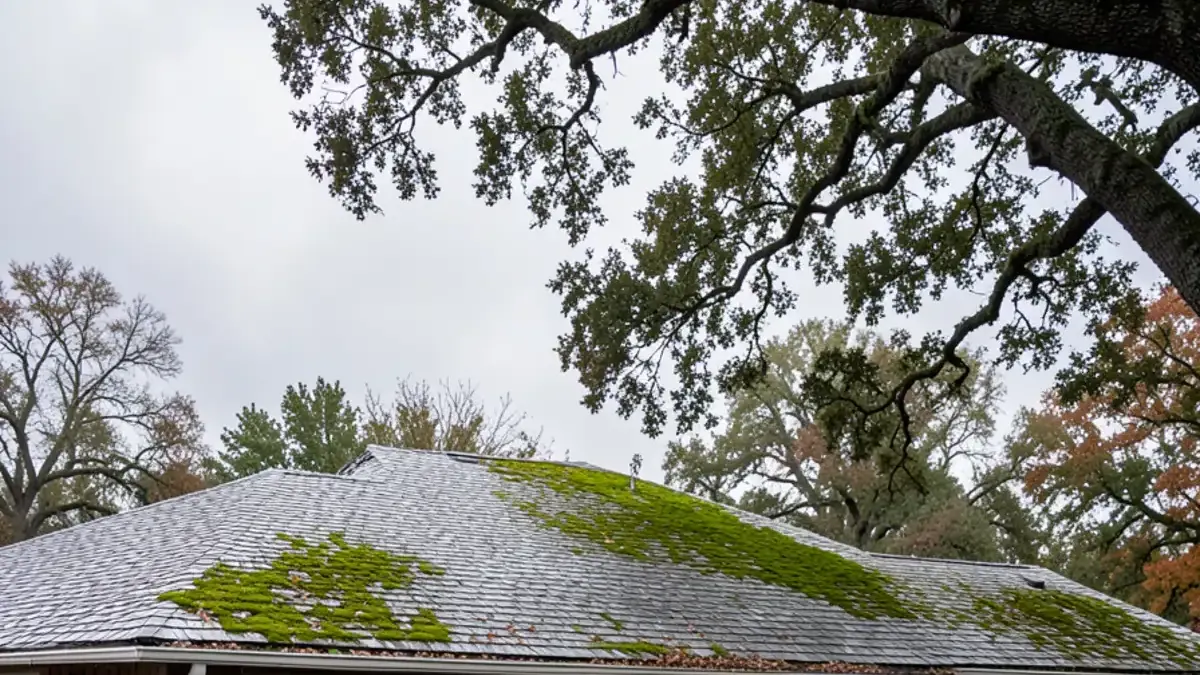
Shade makes it worse. Under oaks, sycamores and redwoods, the north slopes stay damp after storms, moss takes hold in the courses, and needles pile into the keyways. Wildfire has also changed how homeowners and insurers view wood roofs since the 2020 CZU Lightning Complex fire in the Santa Cruz Mountains.
Warning signs of a failing shake roof
You can spot most of these from the yard or a ladder at the eave. If you see several, repairs are likely to chase leaks rather than stop them.
- Shakes split clean through, with gaps that show the felt or daylight beneath
- Curled, thin or missing butts along the lower edges of each course
- Thick moss or lichen on shaded slopes, and gutters full of wood fragments
- Ridge pieces loose or blown off after winter wind
- Stains on ceilings or attic boards after long November-to-March storms
- An insurance renewal letter asking about the roof's age or material
Questions about wood shake & synthetic shake roofing?
Call first for the quickest answer, or request a free written estimate below.
Request a free written estimate
Fastest answer: call (725) 745-8803. Or send the details below and we will call you back.
Replace a wood shake roof with what? Three routes
Synthetic or composite shake
Synthetic shake roofing is molded from polymer blends to mimic hand-split cedar, in varied widths and weathered colors. Many lines reach Class A fire ratings as part of a specified assembly, they do not split or rot, and they weigh far less than tile. This is the most common fire-rated shake alternative we price for homeowners who want to keep the look.
Fire-retardant treated cedar
Real wood is still sold in pressure-impregnated, fire-retardant treated grades that can achieve higher fire classes when installed over a specific underlayment. It looks the most authentic, but it still weathers like wood, and some areas restrict wood roofs regardless of treatment.
Shake to shingle conversion
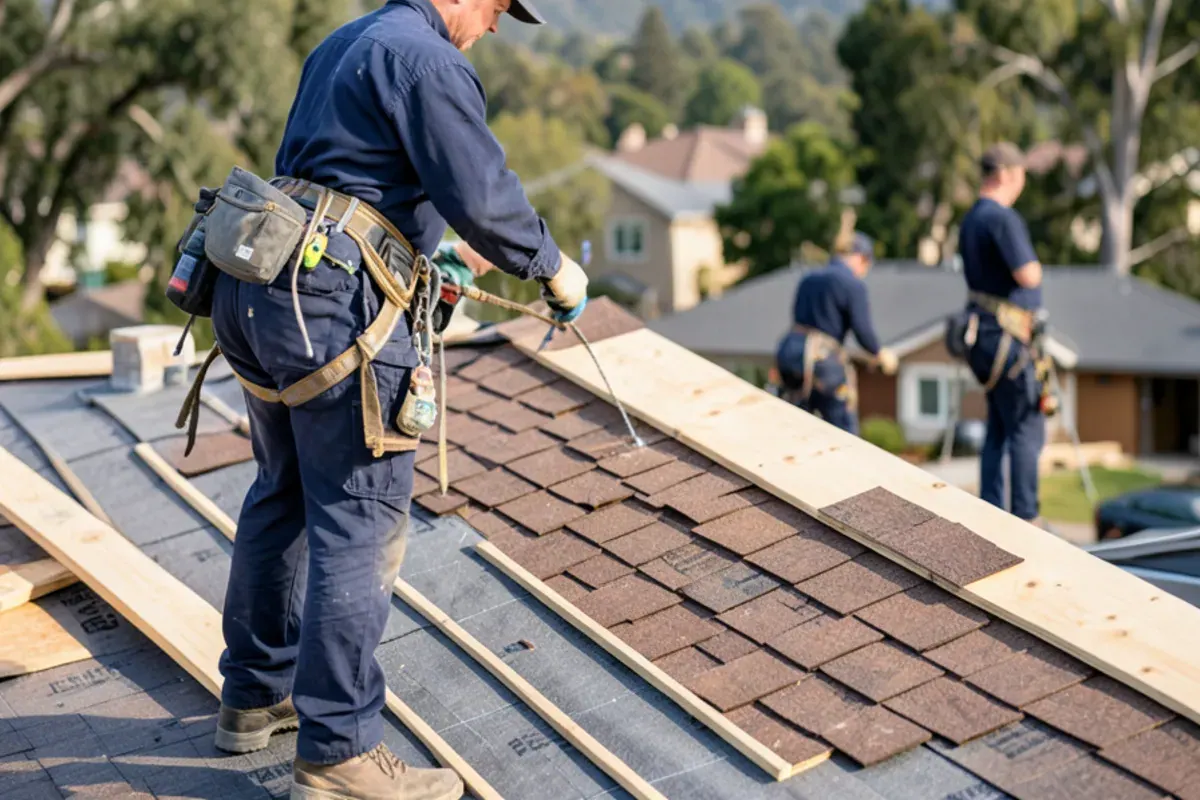
Plenty of owners choose architectural asphalt shingles in a heavy, textured line. It is usually the lowest-cost option, Class A ratings are standard on most shingle assemblies, and it suits ranch homes on streets that have mostly moved away from wood.
Do you need a Class A shake roof at your address?
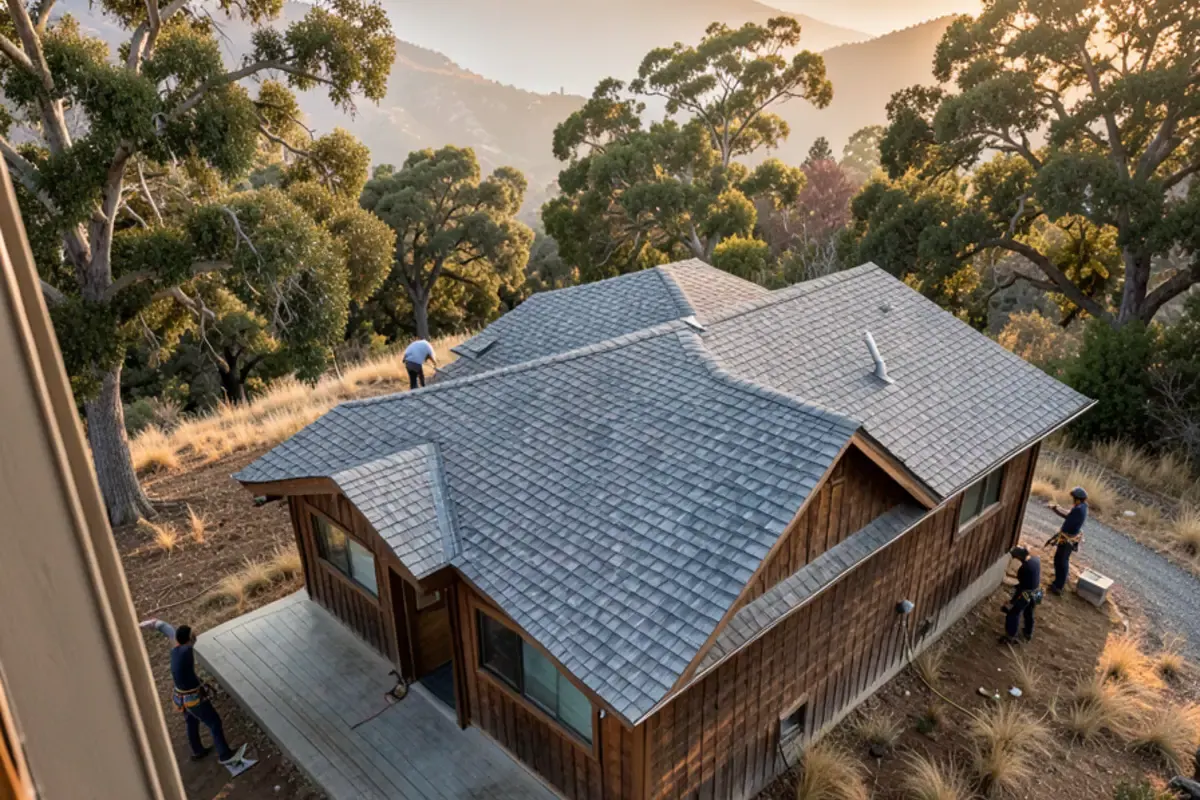
State wildfire building standards for the wildland-urban interface require a Class A roof and ember-resistant venting on homes inside CAL FIRE's mapped hazard zones. The foothill edges of Los Gatos, Saratoga and Monte Sereno are mapped, as is much of the mountain country toward Santa Cruz; the flat center of Campbell generally is not.
Local rules can go further than the state minimum. Before choosing a material, ask Campbell's building division, or the Santa Clara County Planning and Development Department for unincorporated parcels, about the roof class required at your address. We confirm the requirement during the permit filing and match the assembly to it.
CAL FIRE released updated hazard maps for local-responsibility areas in Santa Clara County on February 24, 2025, and cities adopt them by ordinance, so check the current map rather than an old disclosure report. A shake tear-off needs a permit and runs well past $1,000, which means a CSLB license (roofing is the C-39 class) or an owner-builder permit; look up any roofer before signing.
Why does a shake replacement usually need a solid deck?
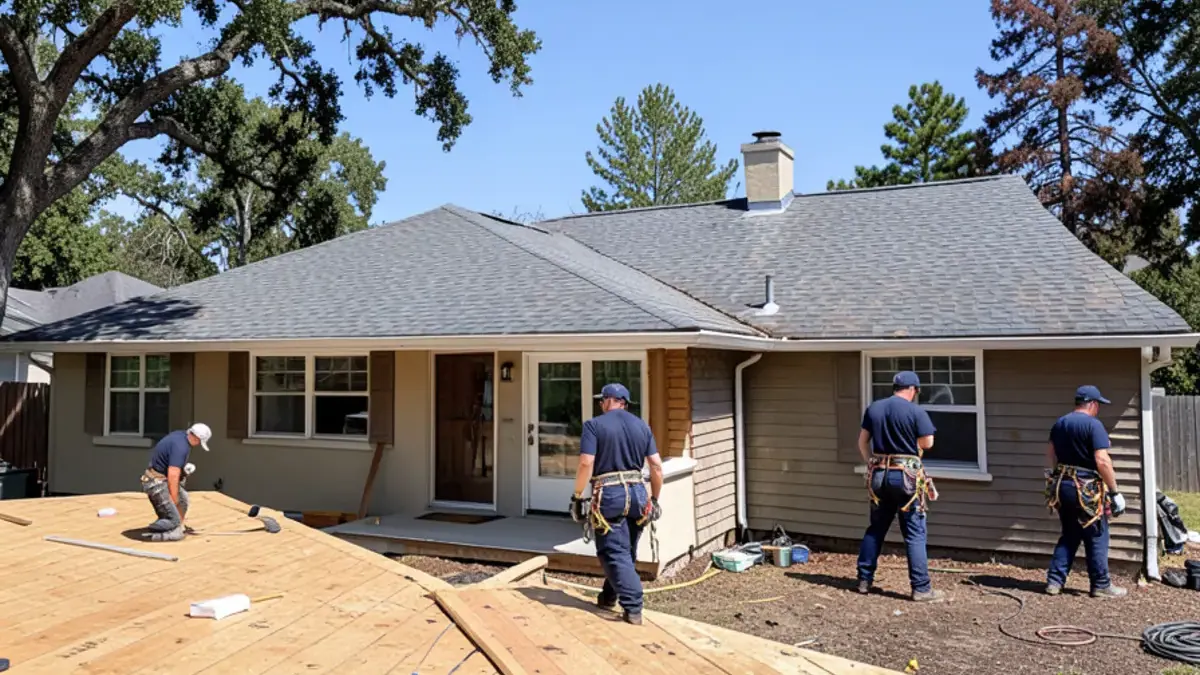
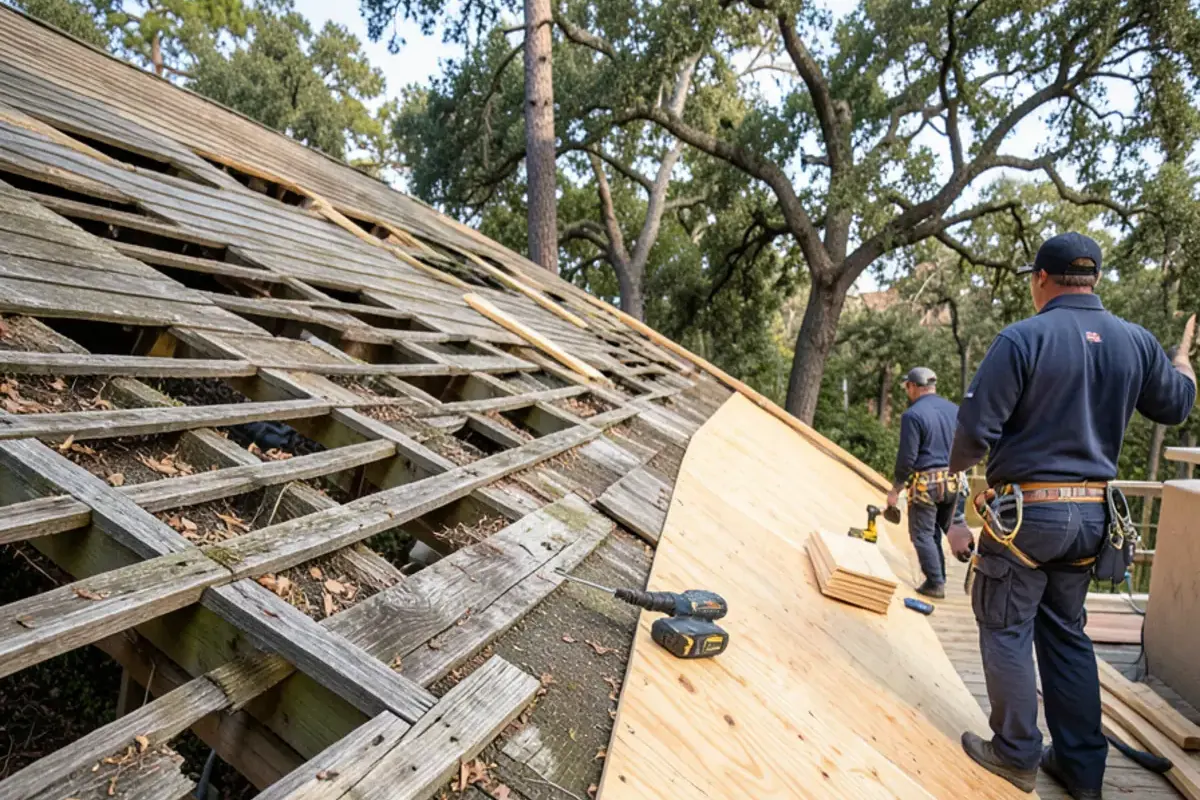
Most shake roofs were nailed over spaced boards, called skip sheathing, with gaps between them so the wood could breathe. Synthetic shake, shingles, metal and modern underlayments need a continuous deck, so the standard approach is to remove the shakes, repair or replace damaged boards, and sheath over the spaced boards with plywood or OSB.
- Tear off shakes and felt interlayment, catching debris on tarps around the house.
- Pull loose boards and replace dry-rotted rafter tails or fascia found at the eaves.
- Install solid sheathing; the city inspector checks its nailing before anything covers it.
- Dry in with underlayment matched to the fire rating of the new roof.
- Install the new roofing, flashing and vents; then final inspection.
What the shake replacement estimate covers
- Shake and felt interlayment removal, with tarps and bins sized for bulky wood debris.
- Solid sheathing over the spaced boards, plus rafter tail and fascia repairs found at the eaves.
- Underlayment matched to the new roof's fire class.
- New flashing, ridge venting and soffit intake, since many shake roofs had little attic exhaust.
- Chimney work, from re-flashing to removing an unused chimney below the roofline.
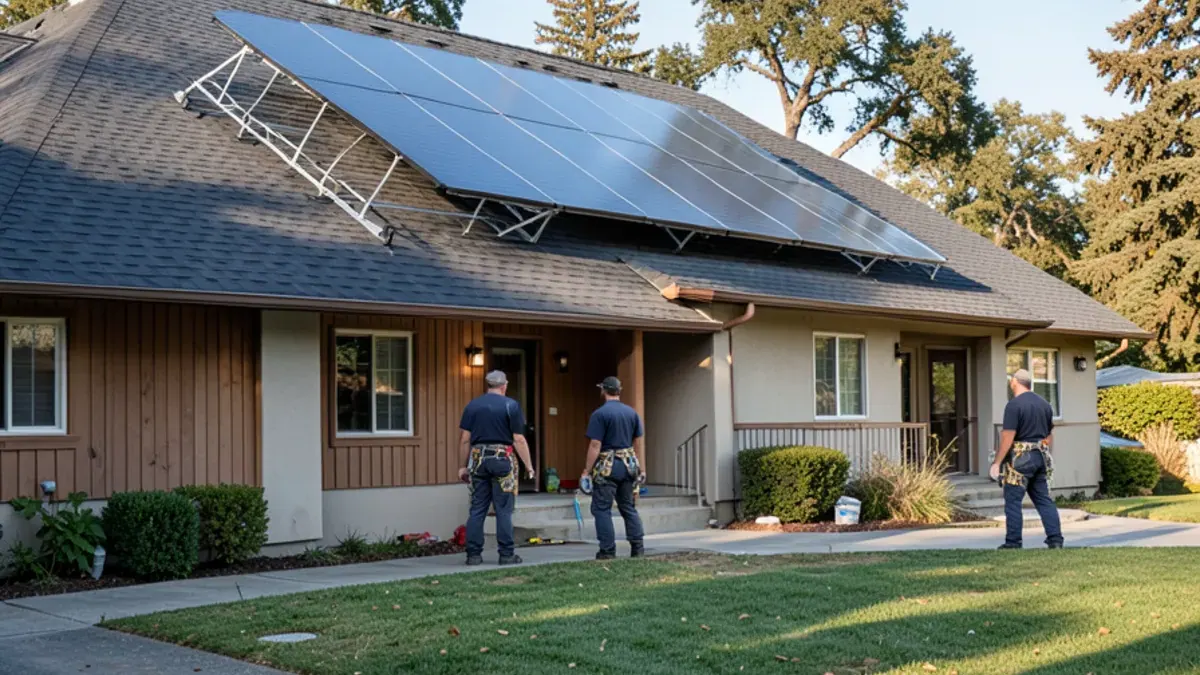
A solid deck also makes the roof ready for panels later; see our solar-ready roof replacement page if solar is in your plans.
How shake replacement cost compares, factor by factor
A shake tear-off has more line items than a shingle-to-shingle reroof. Your estimate shows each one:
- Tear-off and disposal: heavy, bulky wood debris fills more dumpsters than shingles.
- Sheathing: new plywood or OSB over the full roof, plus any board replacement.
- Material: synthetic shake and treated cedar cost more than architectural shingles; heavy-texture shingles land in between.
- Ventilation: shake roofs often had no ridge vent, so exhaust and soffit intake may be added.
- Color and heat: lighter synthetic and shingle colors can carry cool roof ratings; see our cool roofs page for how Title 24 treats them.
Height and access weigh more on shake jobs than shingle ones: a two-story house or a steep hillside lot means more handling for bulky wood, and rafter tails or fascia rotted under the old shakes are priced per piece once exposed.
Why owners leaving cedar call us
We price synthetic shake, treated cedar and heavy shingles on one written estimate, with photos of the shakes, the eave boards and the attic side of the deck, so you choose on your roof's facts. We are family-run and clean up daily, which counts on a job that sheds splinters. After a storm or fallen limb, our office helps document the damage for your insurer, and if only a few courses need work, we point you to wood shake roof repair instead.
Want synthetic shake and shingle priced side by side for your roof? Ask for a free estimate.
Call (725) 745-8803