
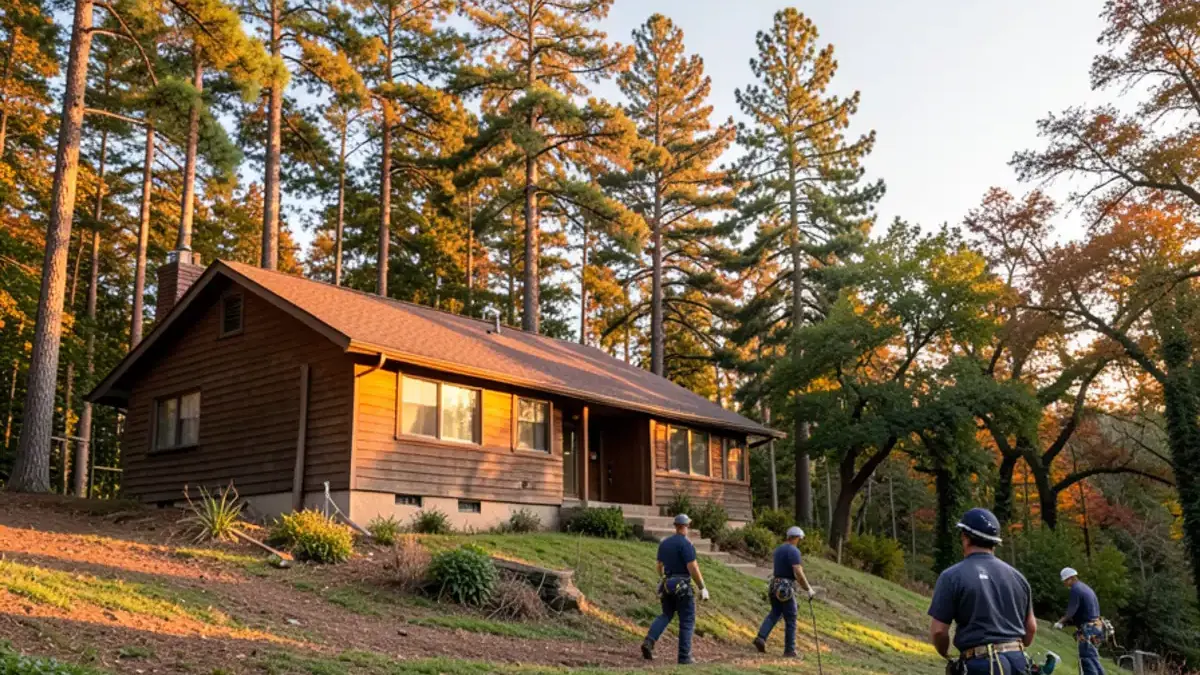
Wooded lots, second-generation roofs and needle-packed valleys
A house built in 1978 off Glenwood Drive or Bean Creek Road is now on its second or third roof, and many of those were installed over the original layer. On these lots we look for:
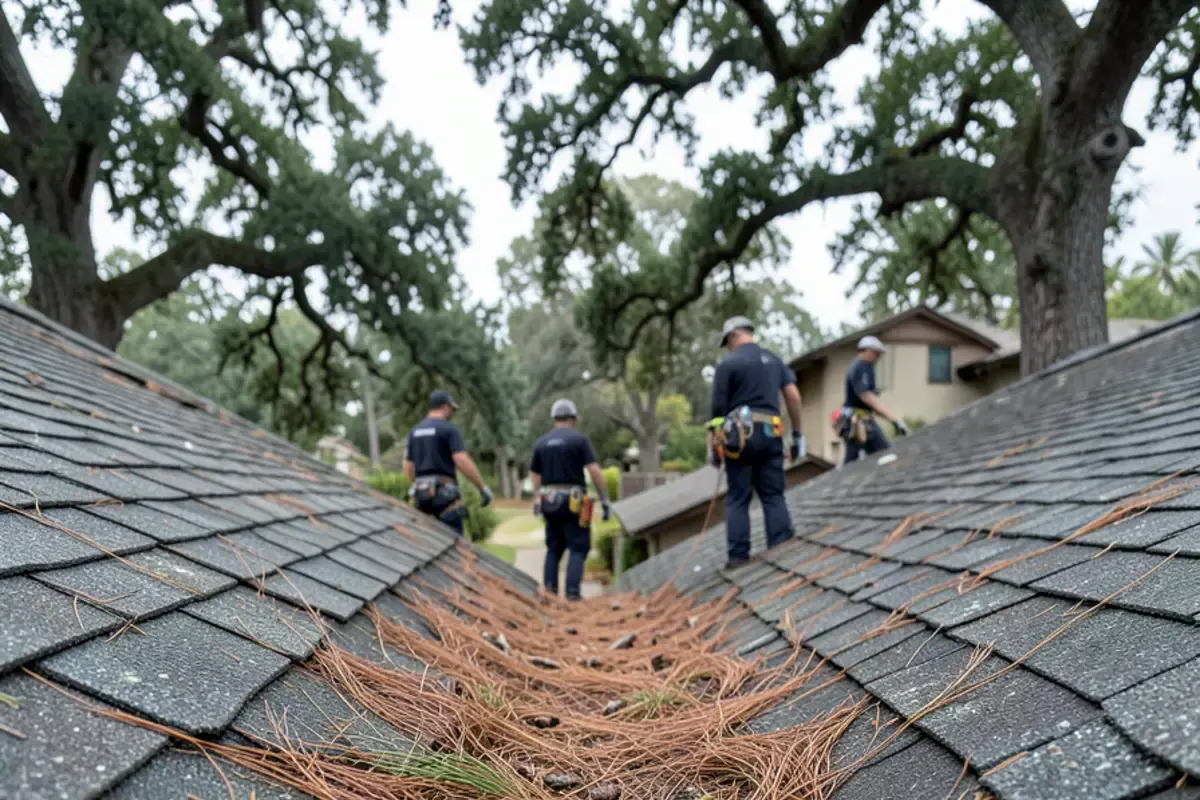
- Valley debris dams: needles lodge where two slopes meet, water backs up under the shingle edge and stains the ceiling below.
- Overflowing gutters: standard 5-inch gutters fill fast under pines; overflow soaks fascia boards and the soil next to the foundation.
- Moss on shaded slopes: north faces under tall trees stay damp into spring and lift shingle tabs as moss grows under them.
- Limb scrapes: branches that rub in wind wear granules off and loosen ridge caps.
- Two layers of shingles: an overlay adds weight and hides soft decking; a full tear-off lets us replace it.
The age pattern has a reason. Scotts Valley incorporated in 1966 and most of its subdivisions filled in over the next twenty years, so whole streets reach the end of a roof cycle together. The city also sits higher and wetter than the coast: the bulk of each season's rain lands between November and March, and the bigger storms shake limbs loose from the ridgelines above town. Wooded parcels at the city's edges can show up on CAL FIRE's hazard-zone map, and that brings Chapter 7A roof and vent rules into any reroof there.
Roofing services Scotts Valley homeowners ask for most
Roofing Contractor in Campbell
One team for the whole Scotts Valley job: the inspection with photos, the written estimate, the City of Scotts Valley permit and the inspector's final sign-off, without handing you off between companies.
Learn more →
Roof Repair
Valley leaks behind needle dams, tabs lifted by moss on shaded north faces and ridge caps loosened by rubbing limbs are the usual Scotts Valley repairs, and most can be fixed without a full reroof.
Learn more →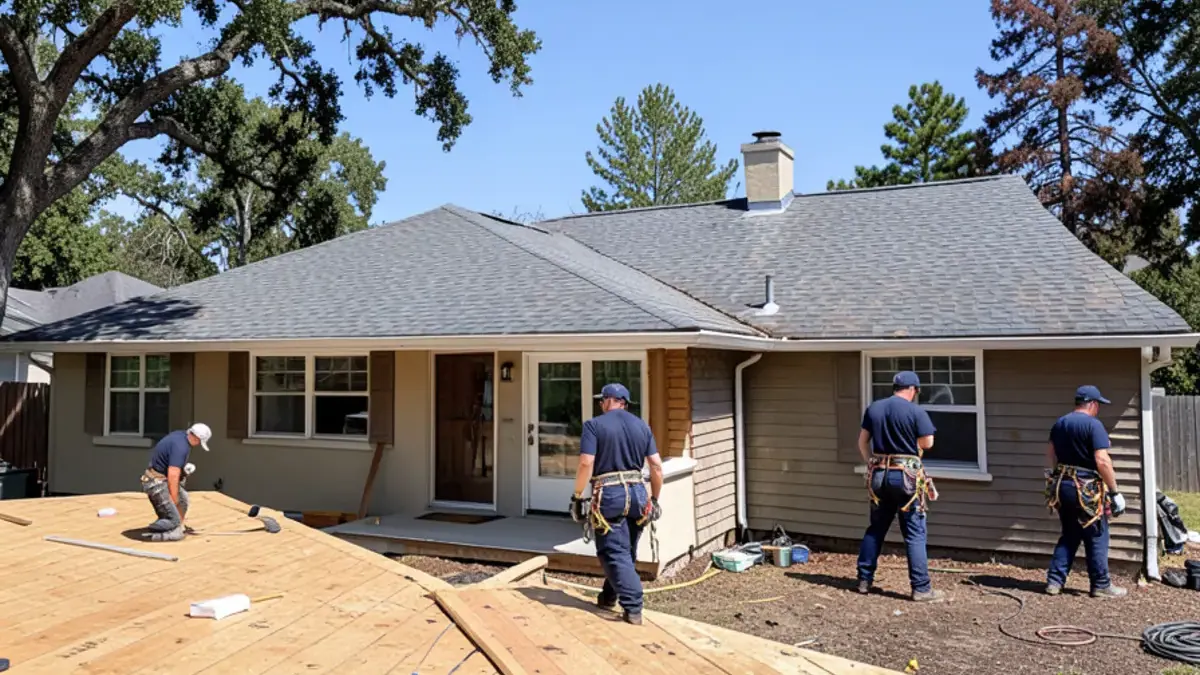
Roof Replacement
Many homes from the city's 1970s and 1980s build-out carry two shingle layers; stripping both down to the deck lets us swap soft plywood and meet fire-zone rules on mapped wooded parcels.
Learn more →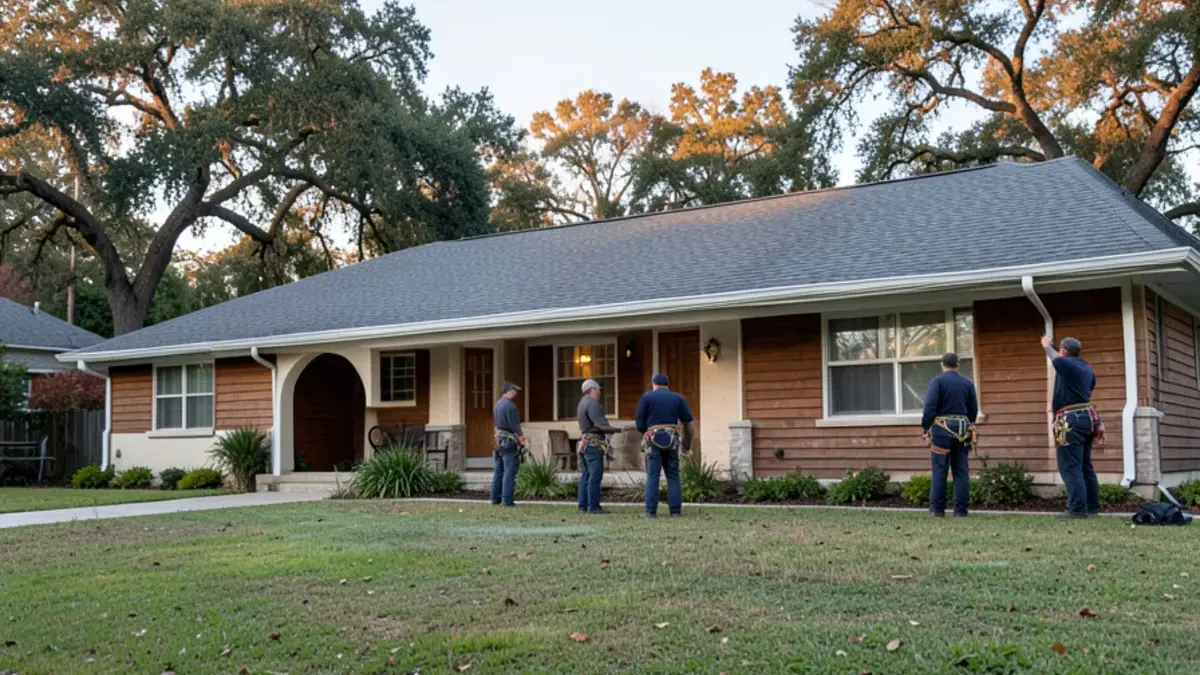
Gutters & Downspouts
Pine and redwood litter fills gutters on wooded Scotts Valley lots by midwinter; fine-mesh guards, larger downspouts and sound fascia keep the November-to-March rain moving off the house.
Learn more →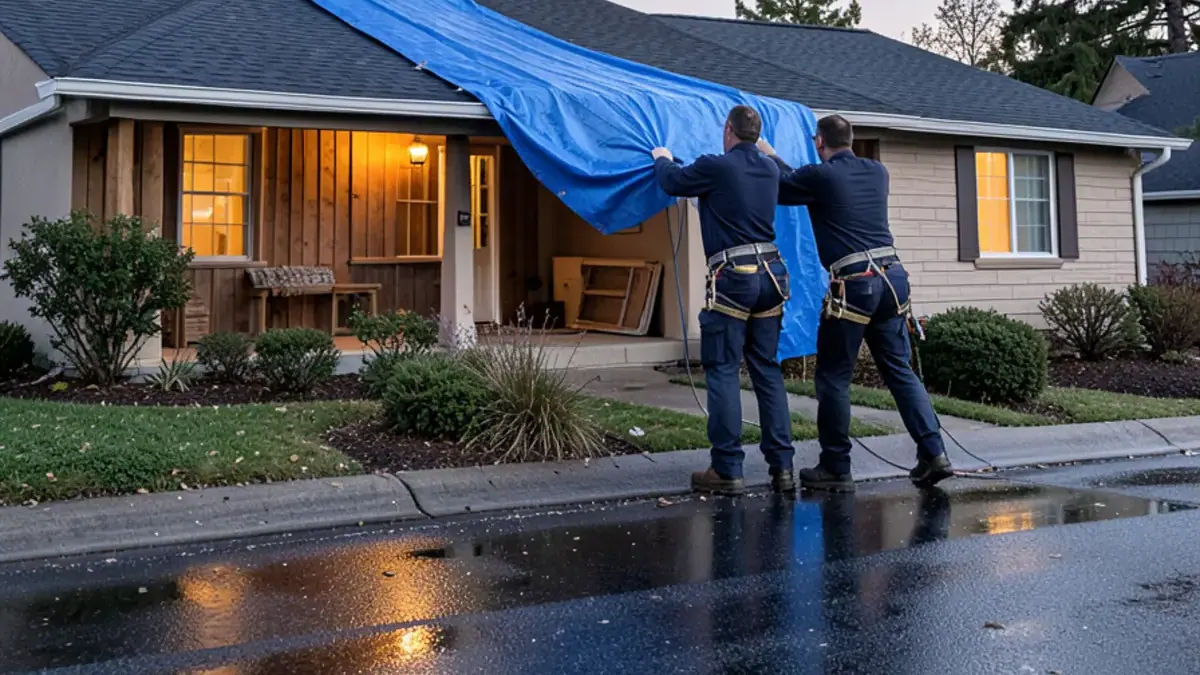
Emergency Roof Repair
Storm wind off the ridges above town brings limbs down on Scotts Valley roofs; we cover the hole, take photos of the break and give you notes your insurer can work from.
Learn more →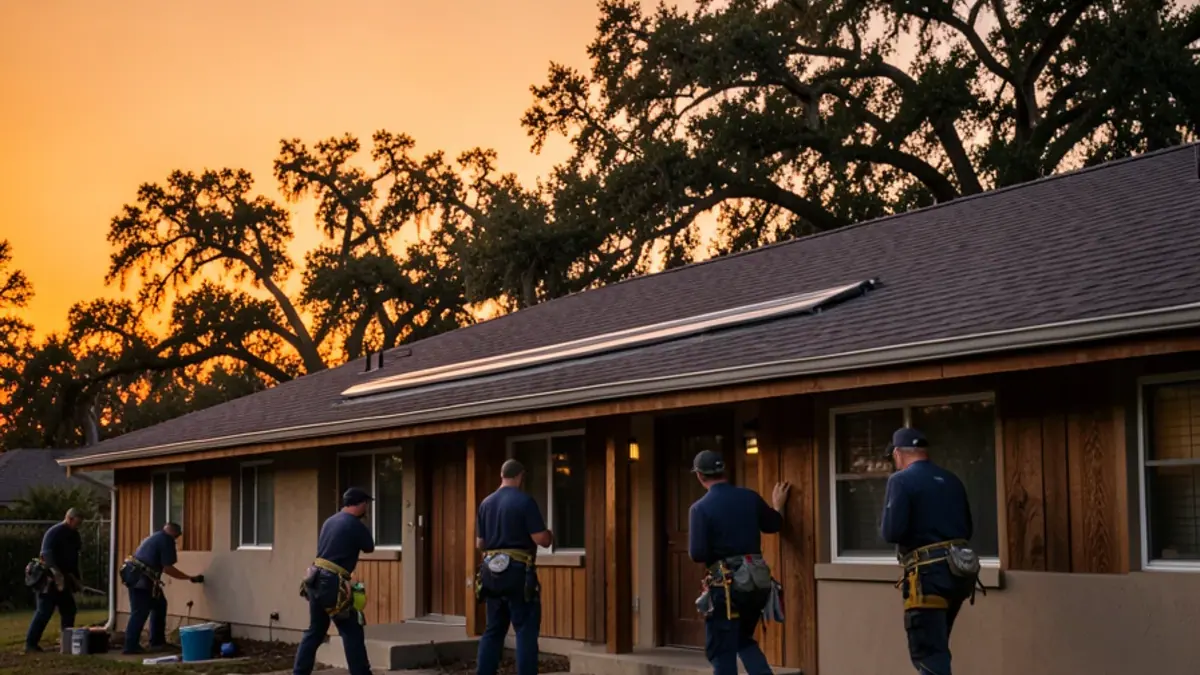
Attic Ventilation & Insulation
Shaded attics under tall pines hold winter moisture, and parcels in mapped fire zones need ember-resistant vents; one visit checks both the airflow and the vent type before a Scotts Valley reroof.
Learn more →
Skylights
Plastic-dome skylights from the 1970s and 1980s often leak at the curb once needles pile up on the uphill side; we re-flash or replace them while the roof is open.
Learn more →
Roof trouble in Scotts Valley?
We drive out from Campbell (about 30 min (18 mi)). Call to book an inspection.
Getting a roofing contractor in Scotts Valley, CA on your roof
The estimator leaves Campbell, takes Highway 17 over the summit and exits at Granite Creek Road or Mount Hermon Road. On site we walk the roof, open the attic hatch if you allow it, and photograph every problem so you can see what we saw. You get a written, itemized estimate that separates debris and moss work from actual repairs.
Scotts Valley is an incorporated city, so roofing permits come from the City of Scotts Valley, not the County. We pull the permit, and the city inspector checks the work. If the parcel shows up on CAL FIRE's Fire Hazard Severity Zone map, we price a Class A assembly and ember-resistant vents from the start.
Granite Creek, Carbonera Creek and Skypark: Scotts Valley local knowledge
Scotts Valley counted 12,224 residents at the 2020 Census, spread from the shops on Scotts Valley Drive up into the subdivisions off Glenwood Drive and Bean Creek Road. A few local details shape how we plan a visit here:
- The two exits: Highway 17 meets the city at Granite Creek Road and Mount Hermon Road. Mount Hermon Road carries on west to Felton and Highway 9, so we often pair a Scotts Valley inspection with one in the San Lorenzo Valley.
- Carbonera Creek: it runs through the middle of town. Lots that sit low beside it stay damp longer in winter, so we look harder at fascia ends, gutter outlets and the bottom courses of siding there.
- Skypark: the city park built on part of the former Sky Park Airport marks the flat center of Scotts Valley. Roofs around it take more sun and wind; the hillside streets above take more shade and needles.
- Water and fire districts: the Scotts Valley Water District and the Scotts Valley Fire Protection District serve the city. The fire district's defensible-space advice includes keeping roofs and gutters clear of dry litter.
- Power lines: if a limb has pulled a PG&E service drop onto the roof, call PG&E first. We tarp once the line is safe.
Gutters and guards that keep up with pine needles
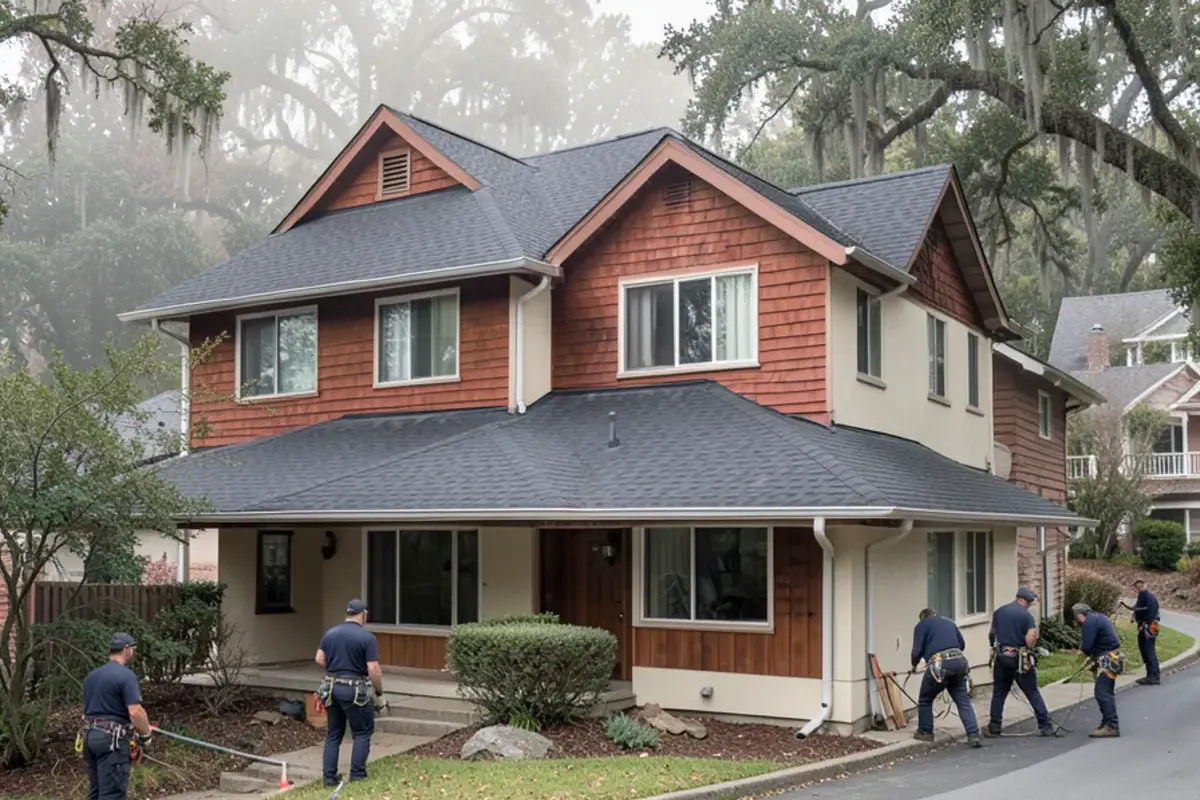
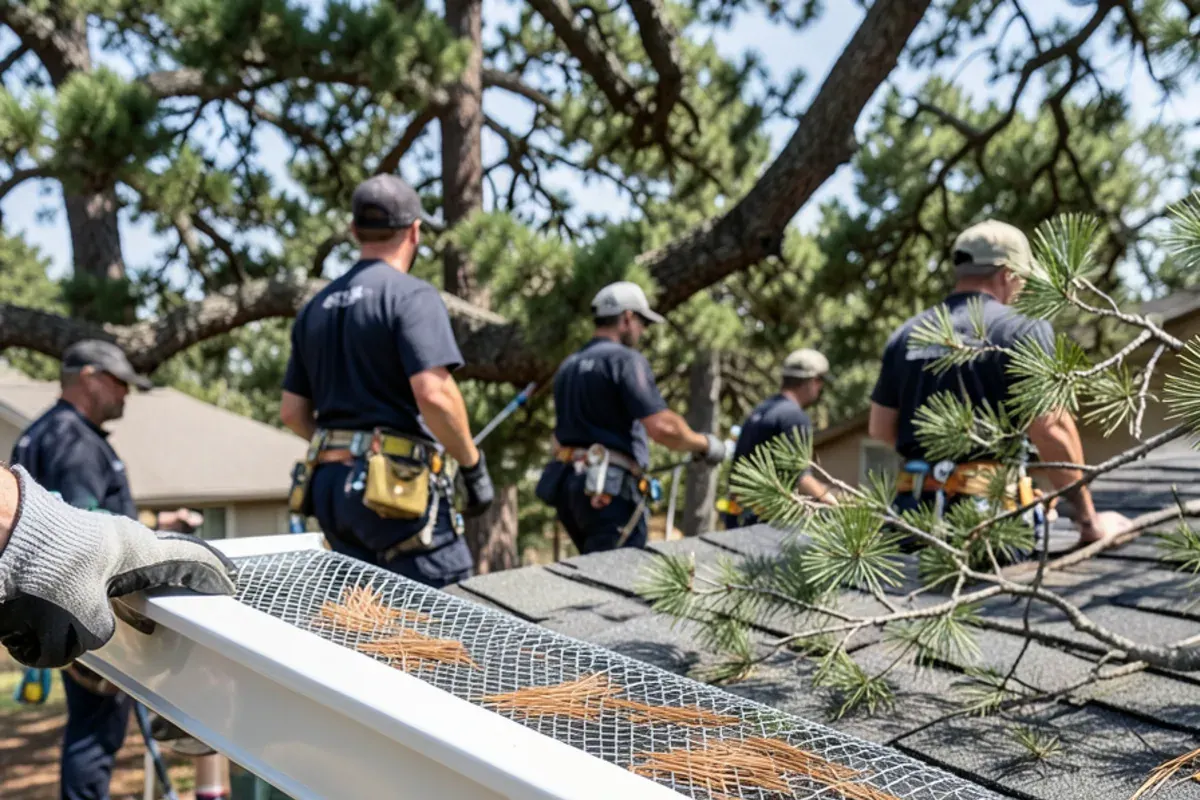
Fine needles slip through many cheap guard screens and mat on top of others. On tree-heavy Scotts Valley lots we usually suggest a fine-mesh gutter guard, larger downspouts where a run serves a big roof area, and a cleaning before the first November storm. Where fascia has already gone soft, we replace the wood before hanging new gutters so the brackets hold.
What we can honestly point to on the Highway 17 side
We are a family-run team based in Campbell, and most of the people who wrote our 64 Google reviews live on the Santa Clara County side. We have no Scotts Valley project photos to post yet. What we can show you is the route and timing, the permit office for your address, photos from your own roof, and an estimate you can compare line by line with anyone else's.