
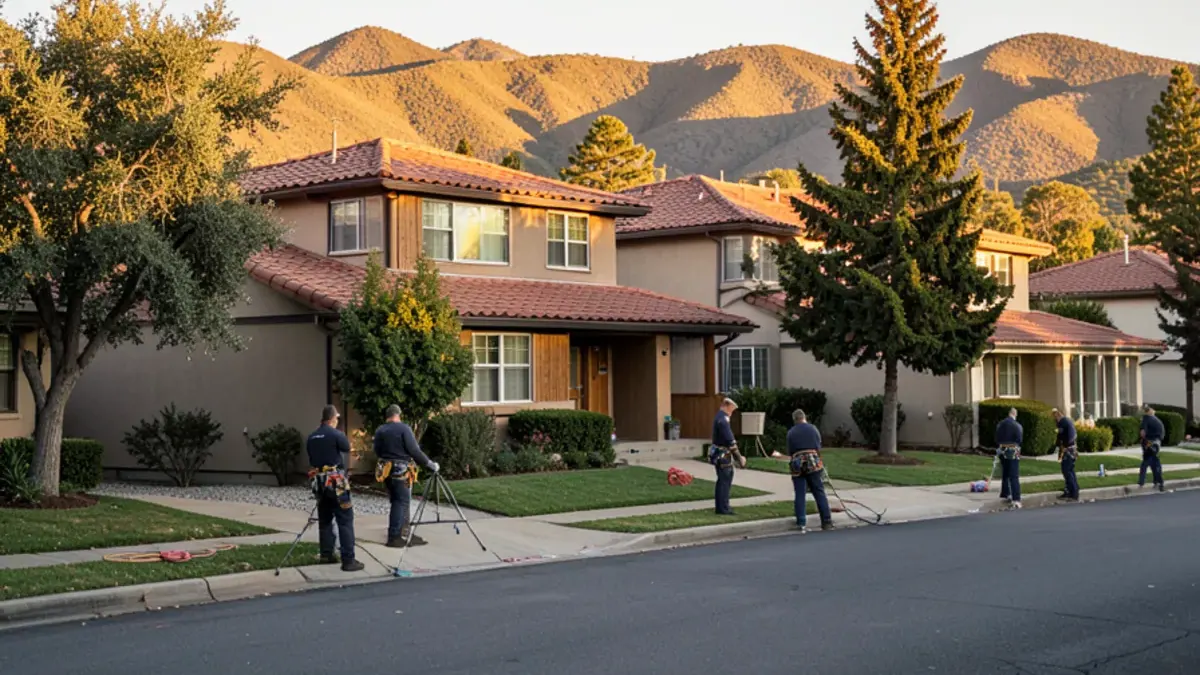
Tile underlayment, flashing and venting: Pleasanton's common roof work
On a concrete tile roof, the tile mostly sheds sun and keeps water moving; the felt or synthetic underlayment beneath it is what actually keeps the house dry. In many Pleasanton subdivisions built from the 1970s into the 1990s, that original underlayment has reached the end of its useful life even though the tiles look fine from the street.
- Tile lift-and-relay: removing the tile, replacing underlayment and battens, then reinstalling the sound tiles and replacing broken ones.
- Cracked or slipped tile repair before winter rain finds the gap.
- Attic ventilation on two-story homes where hot upstairs rooms point to trapped attic heat.
- Gutter work where tile roofs dump heavy flows into undersized troughs.
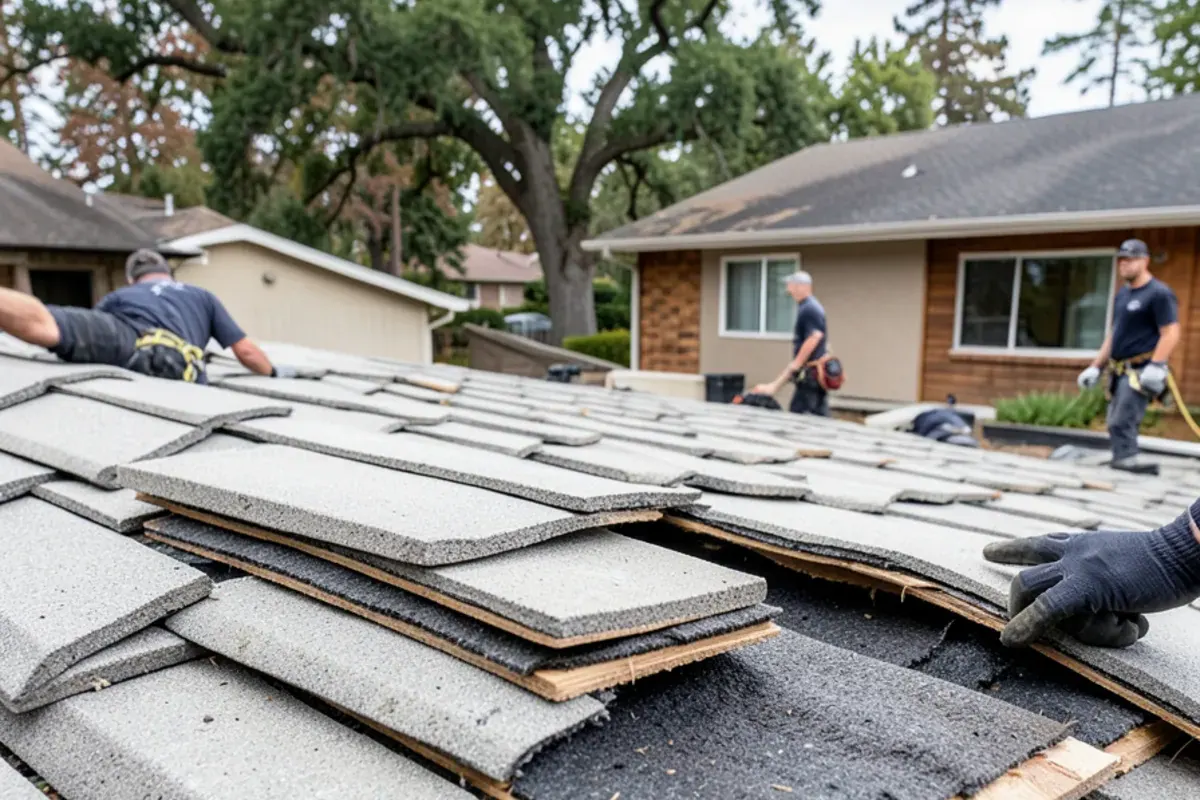
Roofing services Pleasanton homeowners ask for most
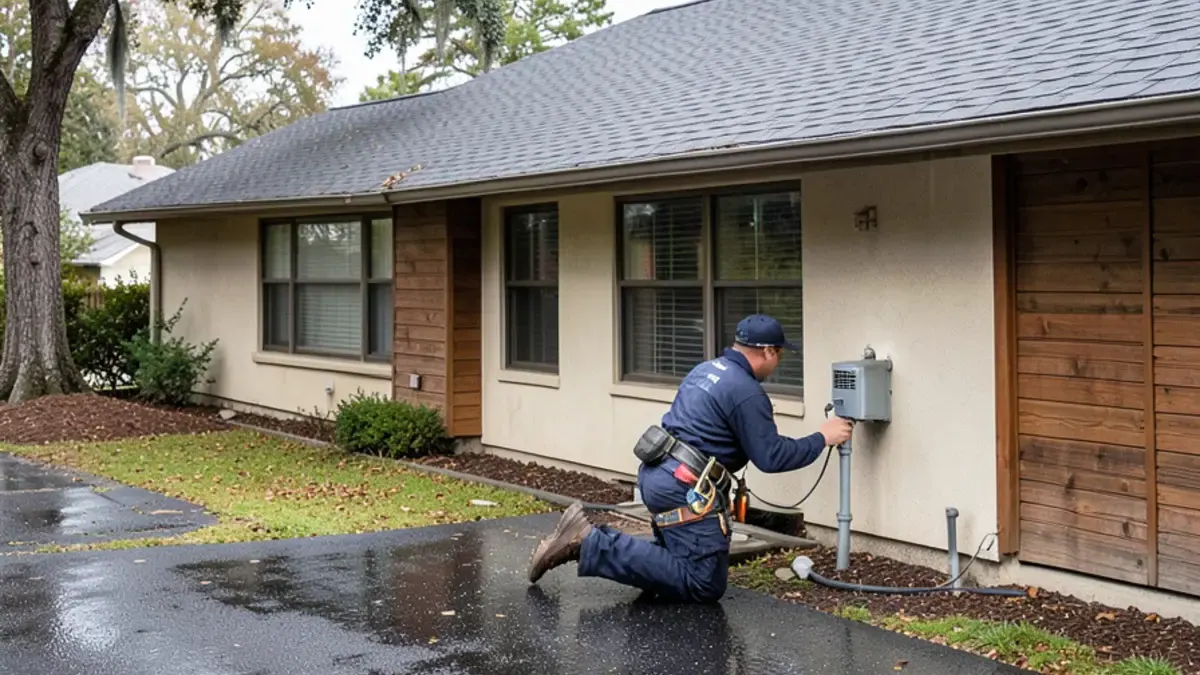
Roof Repair
Cracked and slipped concrete tile and tired underlayment cause most leaks on Pleasanton's 1970s–90s subdivision roofs; we lift tiles at the stain, photograph the felt underneath and repair the actual entry point.
Learn more →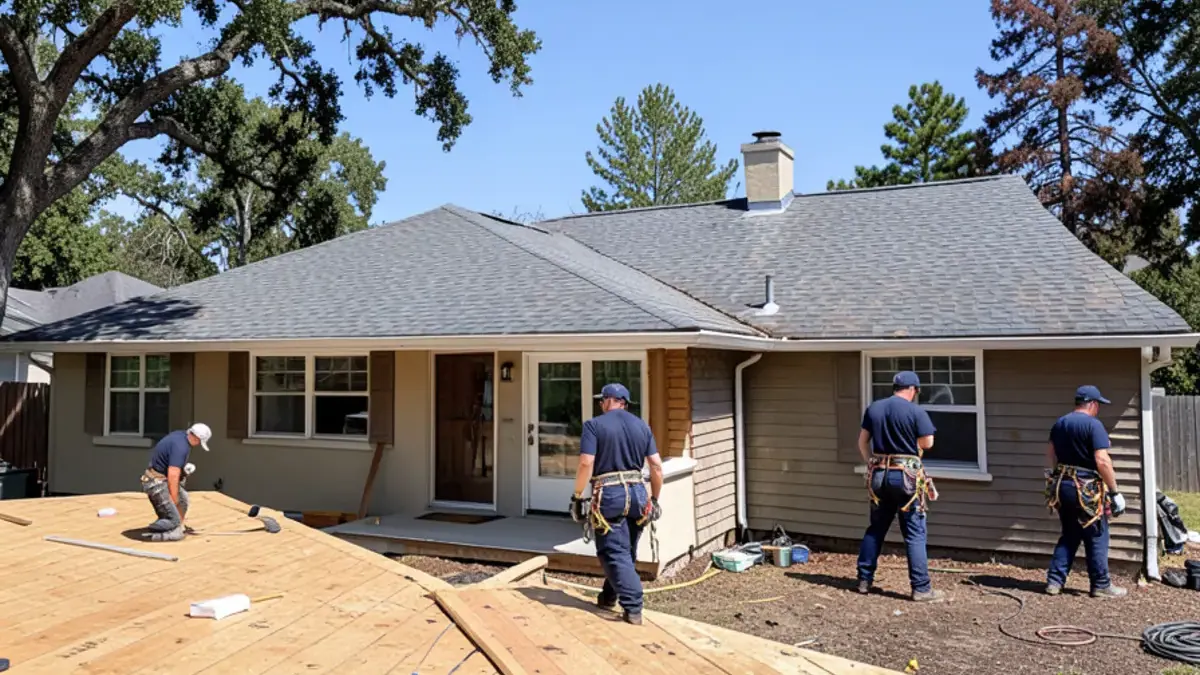
Roof Replacement
Once the underlayment under a Pleasanton tile roof is spent, a lift-and-relay reuses sound tile over new underlayment and battens, while a full reroof makes sense when the tile itself is failing.
Learn more →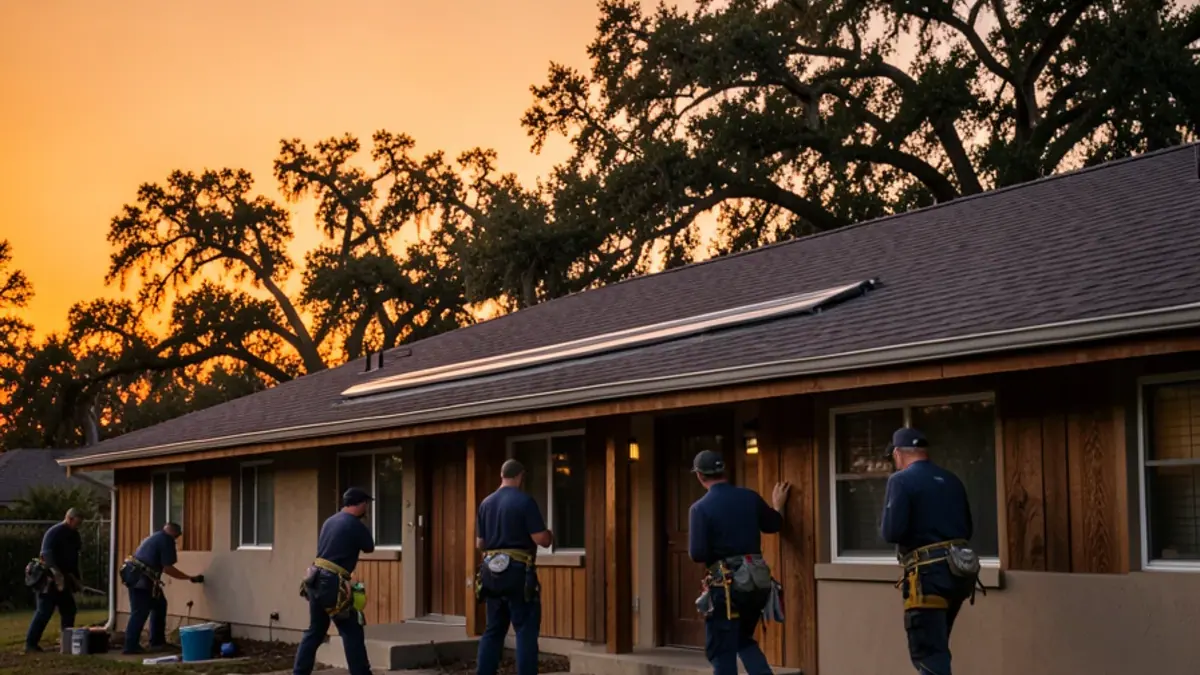
Attic Ventilation & Insulation
Amador Valley afternoons heat upstairs bedrooms in two-story Pleasanton homes when attic air has nowhere to go; balanced intake and exhaust venting cools the attic and slows underlayment wear.
Learn more →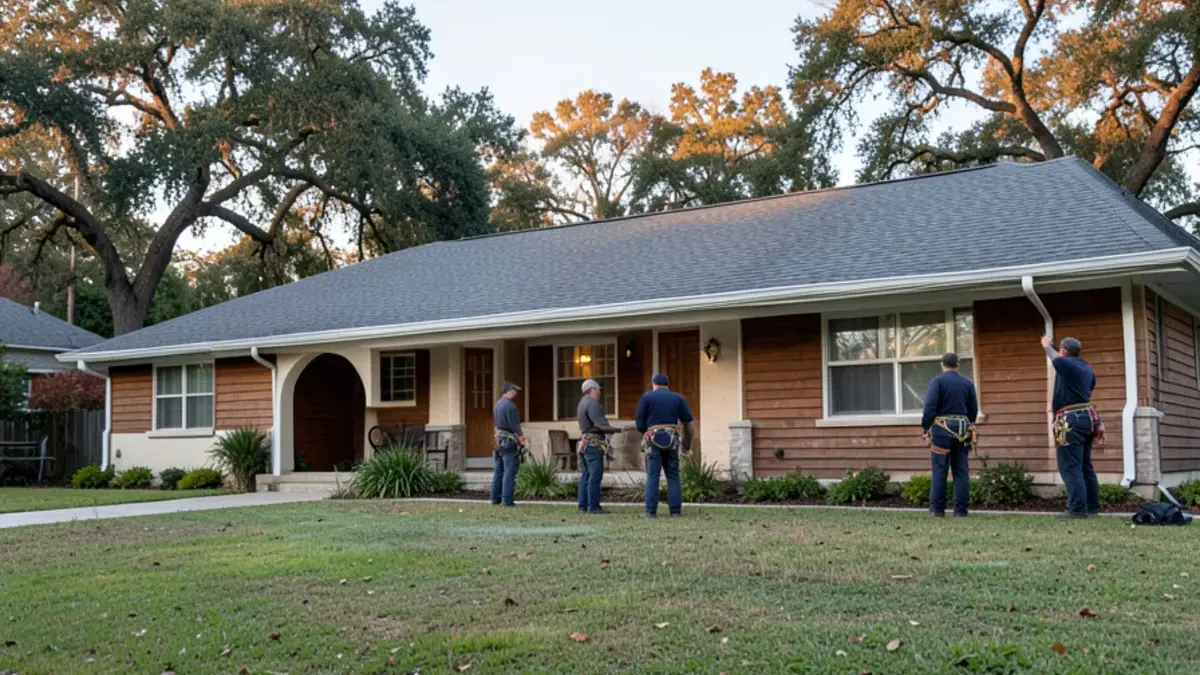
Gutters & Downspouts
Concrete tile sheds water in concentrated streams at valleys, and the undersized gutters on many Pleasanton subdivisions overflow in winter storms; larger troughs and downspouts move that water off the lot.
Learn more →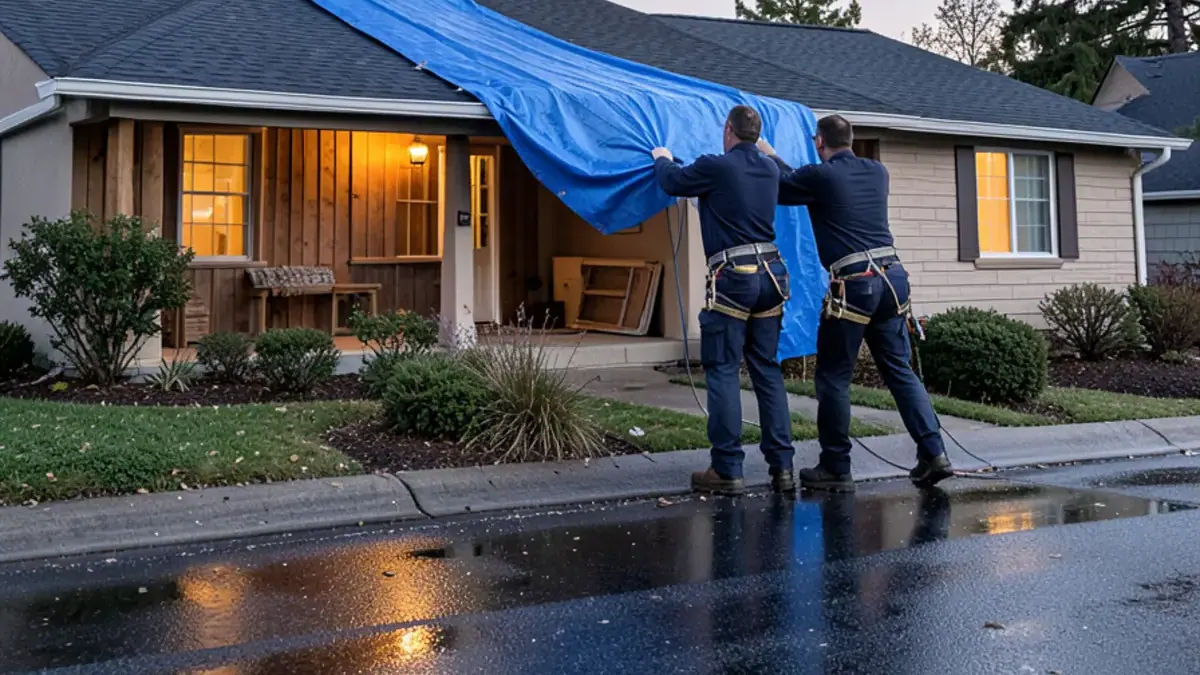
Emergency Roof Repair
When a winter storm cracks tile or opens a valley on a Pleasanton home, we cover the area, document the damage with photos for your insurer and plan the permanent tile repair after the rain.
Learn more →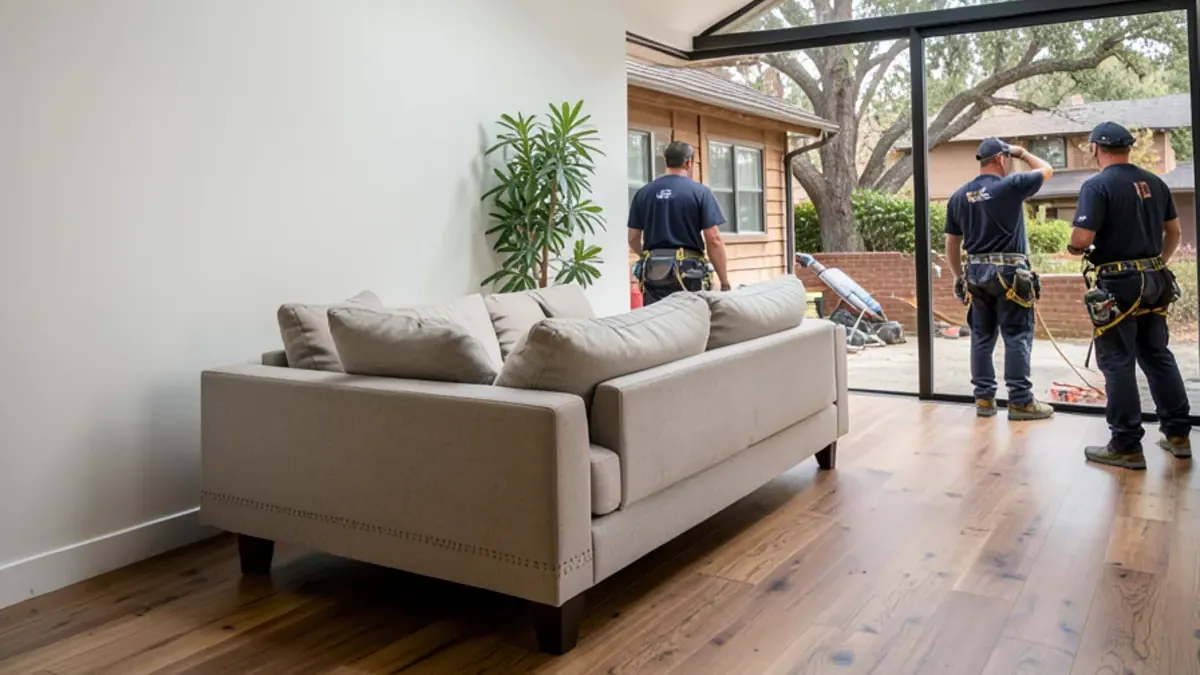
Skylights
Skylights set into tile roofs in Pleasanton's 1980s and 1990s neighborhoods leak where the curb flashing meets the tile pans; resealing alone rarely lasts, so we reflash the curb properly.
Learn more →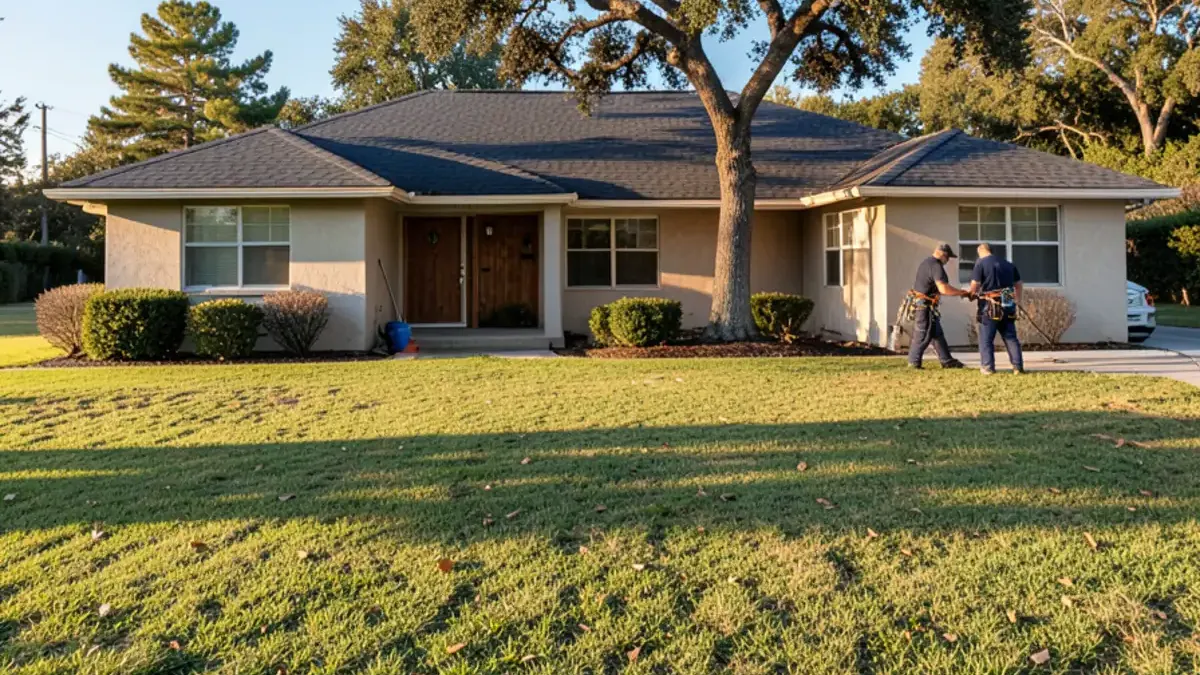
Roofing Contractor in Campbell
Start with an inspection that photographs the underlayment, battens and flashing on your Pleasanton roof, not just the tile surface, followed by a free written estimate with each option priced.
Learn more →
Roof trouble in Pleasanton?
We drive out from Campbell (about 55 min (36 mi)). Call to book an inspection.
Hot I-680 corridor summers and 1970s–90s subdivisions
Pleasanton's housing comes in three layers. Around Main Street, a few older houses go back to the early 1900s and often have board sheathing under their shingles. The big subdivisions of the 1970s through the 1990s, on both sides of Santa Rita and Hopyard Roads, are where concrete tile dominates. Newer hillside enclaves such as Ruby Hill and Vintage Hills add steeper, more complex tile roofs with long valleys.
Pleasanton sits in the Amador Valley, shielded from most bay fog, and summer afternoons get much hotter than in Campbell. That heat does two things to roofs here. It dries out the underlayment under tile faster, and it ages asphalt shingles on the older homes near downtown and Main Street. Walking a tile roof also takes care: we step on the lower edge of each tile to avoid cracking more than we came to fix.
Ground and fire risk round out the profile. The USGS maps the Calaveras Fault along the west side of the valley, so heavy tile and its fastening deserve a careful look on older roofs. Dry grass on Pleasanton Ridge and the southern hills is the other concern: if your street backs onto open land, check CAL FIRE's hazard map, because mapped zones bring Class A roofing and ember-resistant venting requirements under the state's wildland-urban interface rules.
Main Street, the Fairgrounds and the I-580/I-680 crossroads
Pleasanton incorporated in 1894 and had about 75,664 residents in the Census Bureau's 2024 estimate. Most of the city sits on flat valley floor between Pleasanton Ridge on the west and the hills toward Livermore on the east, with the Alameda County Fairgrounds near the older downtown.
- Getting there: I-680 north from Sunol, then Bernal Avenue, Sunol Boulevard or Stoneridge Drive depending on the neighborhood; I-580 marks the city's north edge, where the two interstates meet.
- Parks: Pleasanton Ridge Regional Park above the west side and Shadow Cliffs Regional Recreation Area, a former gravel quarry, off Stanley Boulevard.
- Business districts: Hacienda and the offices near Stoneridge carry low-slope commercial roofs that age differently from the tile homes around them.
- Water: Zone 7 Water Agency wholesales water across the Livermore-Amador Valley, a reminder that summers here are long and dry.
No local gallery, just the facts about our Tri-Valley coverage
We aren't going to claim Pleasanton projects we can't show you, and this page has no Pleasanton review. What we can say: Pleasanton is inside our service area, the trip from Campbell is a straight run up I-680, and our 64 Google reviews include a homeowner whose tile roof we inspected after a major storm and helped through an insurance claim.
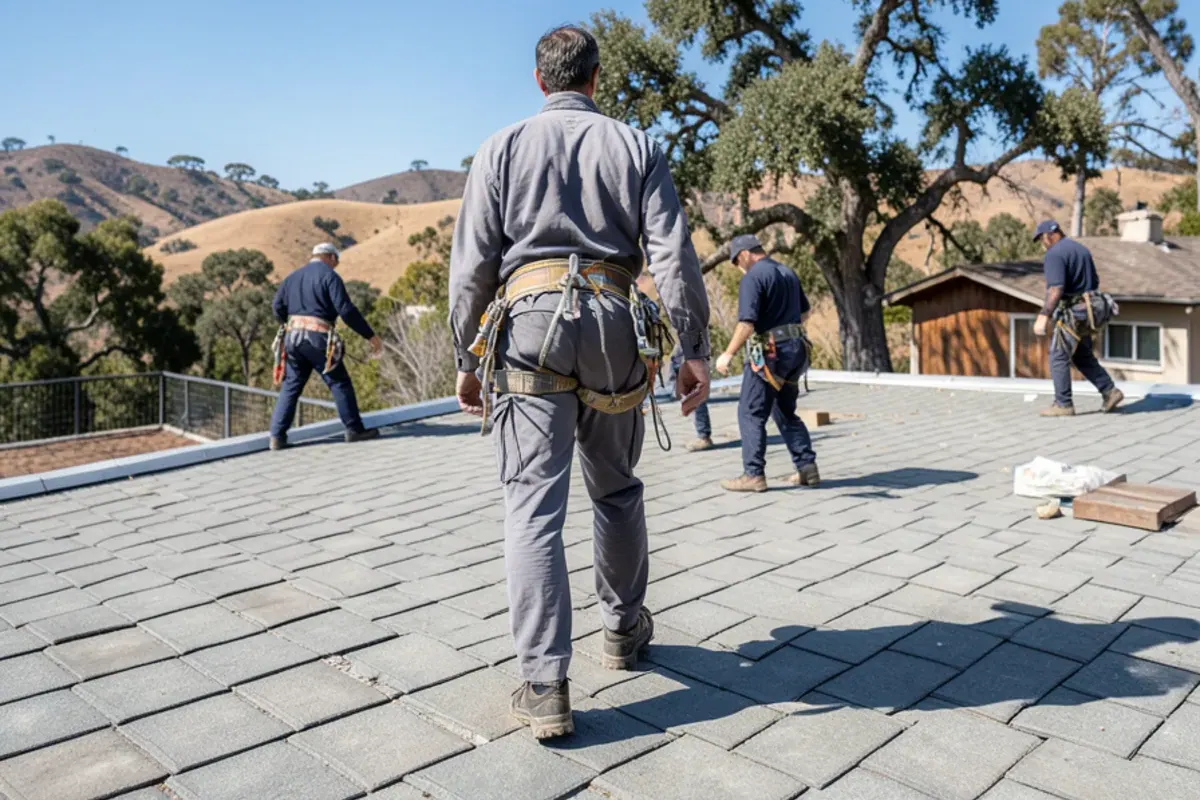
From first call to the City of Pleasanton permit
- Book a date; we'll offer the next open Tri-Valley route day.
- The estimator checks tiles, underlayment at any lifted spots, flashing and the attic, and sends you photos.
- You receive a free written estimate, itemized so you can compare a tile reset with a full replacement.
- Reroof permits inside city limits go through the City of Pleasanton's building division, and we schedule its inspections.