What we usually find in a Campbell attic
Homes built in the 1950s through the 1970s went up long before today's energy code. Climbing into those attics, the picture is often similar:
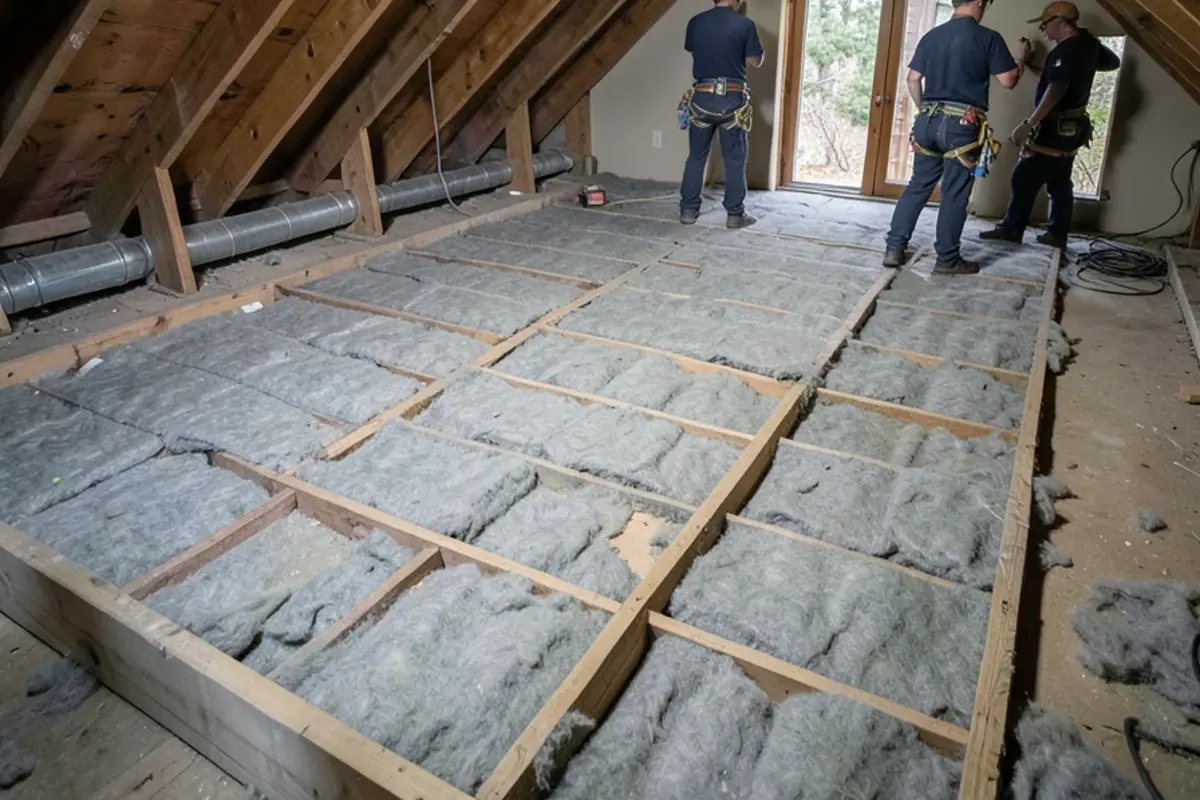
- A few inches of original batts or loose rock wool, compressed by decades of foot traffic and storage
- Bare spots where electricians, cable installers or plumbers moved insulation aside and never put it back
- Air-conditioning ducts running across the top of the insulation, exposed to attic heat
- Tunnels, droppings and nesting from roof rats
- Insulation stuffed against the eaves, blocking the soffit vents
Adding a new layer over that mess wastes some of its value. The better order is clean, seal, then insulate.
Signs your attic insulation has stopped doing its job
Insulation fails quietly. Nothing drips; the house just gets harder to keep comfortable. These are the clues owners describe and we then confirm in the attic:
- Bedrooms that stay hot into late evening from June to September.
- Joist tops showing across the attic floor, meaning the layer has settled or been pushed aside.
- Dark streaks in the insulation near fixtures and top plates, where house air has filtered through it.
- A sour or musty smell from rodent droppings and nesting.
- Cold ceilings and condensation along exterior walls on winter mornings.
None of these proves insulation alone is at fault; ventilation, duct leaks and windows play a part, which is why we look before quoting.
Questions about attic insulation & radiant barrier?
Call first for the quickest answer, or request a free written estimate below.
Request a free written estimate
Fastest answer: call (725) 745-8803. Or send the details below and we will call you back.
Old insulation removal and rodent contaminated insulation
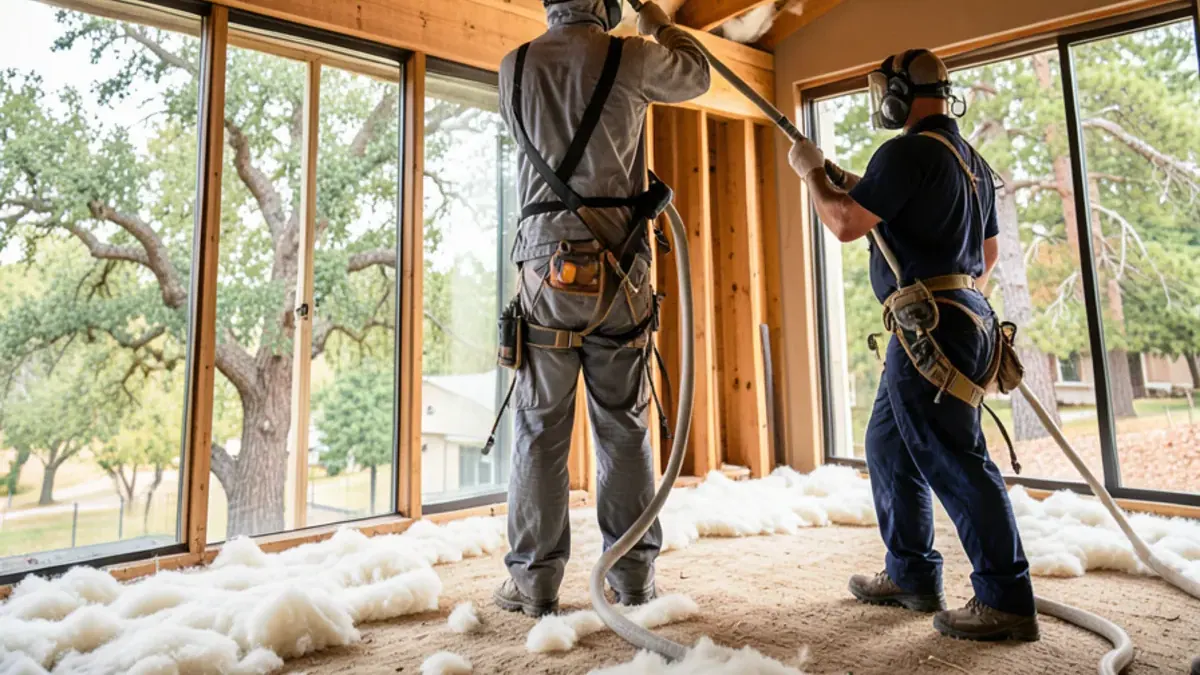
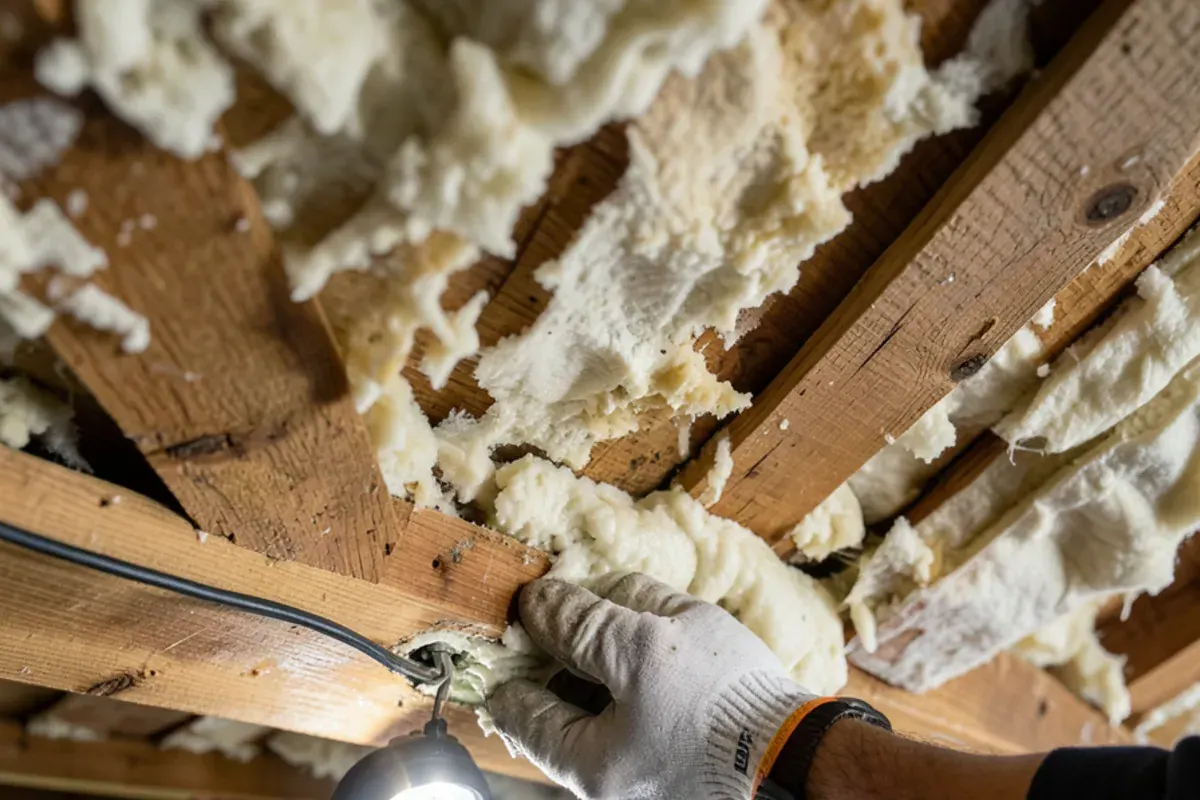
Removal is done with a high-powered vacuum that pulls loose fill and debris through a hose into bags or a collection unit outside, so it never travels through the living space. Batts are bagged by hand.
Rodent-contaminated insulation should come out rather than be buried. Droppings and urine leave odor and potential health concerns, and nesting tunnels leave the layer uneven. Trapping and removing live animals is work for a pest control company; we handle the cleanup of the attic, replace damaged insulation and help seal the roof-level entry points, such as torn vent screens and gaps at the eaves.
Attic air sealing: the step that makes insulation work
Insulation slows heat moving through the ceiling, but it does little to stop air leaking through holes. Warm, moist indoor air escaping into the attic carries heat out in winter and contributes to condensation on the roof deck.
- Seal top plates where walls meet the attic floor.
- Seal around plumbing vents, wiring holes and flue chases with suitable materials and required clearances.
- Cover open soffits above kitchen cabinets and dropped ceilings.
- Weatherstrip and insulate the attic hatch.
- Use only fixtures rated for contact with insulation, or build clearance boxes around older recessed lights.
Before blowing in new material, we also install baffles at the eaves so the soffit intake stays open; that is the link between this work and attic venting repair.
An insulation project from first look to final depth
- Attic survey. We measure existing depth in several spots, note ducts, wiring, recessed lights and rodent signs, and photograph it all.
- Estimate and prep plan. The written estimate states the target R-value, the material and whether removal is included; if animals are active, pest control goes first.
- Removal. Old and soiled material is vacuumed out to bags outside, with the access path through the house protected.
- Sealing and baffles. Top plates, penetrations and the hatch are sealed, and baffles go in at every eave bay.
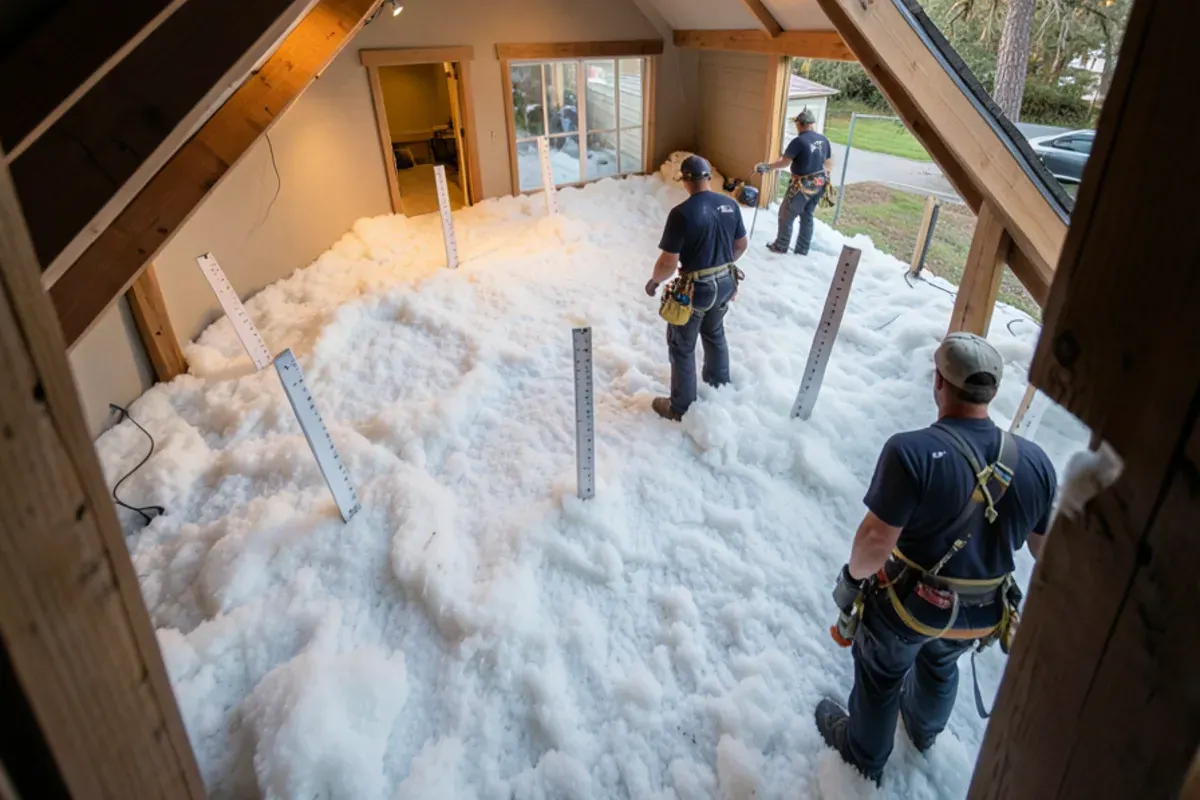
- Blow to depth. Depth rulers are set across the attic and insulation is blown evenly to the target, held back from flues and fixtures that need clearance.
- Receipt and cleanup. You get a written record of material, area covered, R-value and installed thickness, as federal rules require of installers, and the access path is cleaned.
How much attic insulation does a Campbell home need?
California's Title 24, Part 6 energy code sets insulation levels for new homes and for some alterations, and the target depends on climate zone and the type of work. R-38 attic insulation is a common figure for vented attics in Climate Zone 4, which includes Campbell, and newer code editions can call for more in certain alteration scenarios.
| Material | Strengths | Watch for |
|---|---|---|
| Blown fiberglass | Does not absorb water, no settling issues, widely available | Needs proper depth markers to confirm coverage |
| Blown cellulose | Dense, fills gaps well, made largely from recycled paper | Settles somewhat over time; keep dry |
| Fiberglass batts | Easy to fit between open joists | Gaps and compression reduce performance; hard to fit around obstructions |
Because requirements change with the code edition and your project scope, ask Campbell's building division what applies, or let us confirm it when we prepare the work. Our article on attic insulation types for Bay Area homes compares the materials further.
Code, permits and safe handling
California's Title 24 energy standards date from 1978, so a house built earlier was never held to any insulation level. Alterations permitted since January 1, 2026 fall under the 2025 edition of that code. Whether insulation-only work needs a permit varies, so ask the city (or Santa Clara County, outside city limits) before you start; done alongside a reroof, it is part of that project. The EPA advises treating vermiculite as if it may contain asbestos and leaving it undisturbed until tested. Look up any contractor's license with the CSLB before signing.
Is a radiant barrier in Campbell worth adding?
A radiant barrier is a foil surface facing into the attic that reduces the heat the hot roof deck radiates downward. In a sunny, dry-summer climate like ours, it is most useful when:
- AC ducts or the furnace run through the attic
- The roof is dark, unshaded and faces south or west
- Rooms below feel hot late into summer evenings
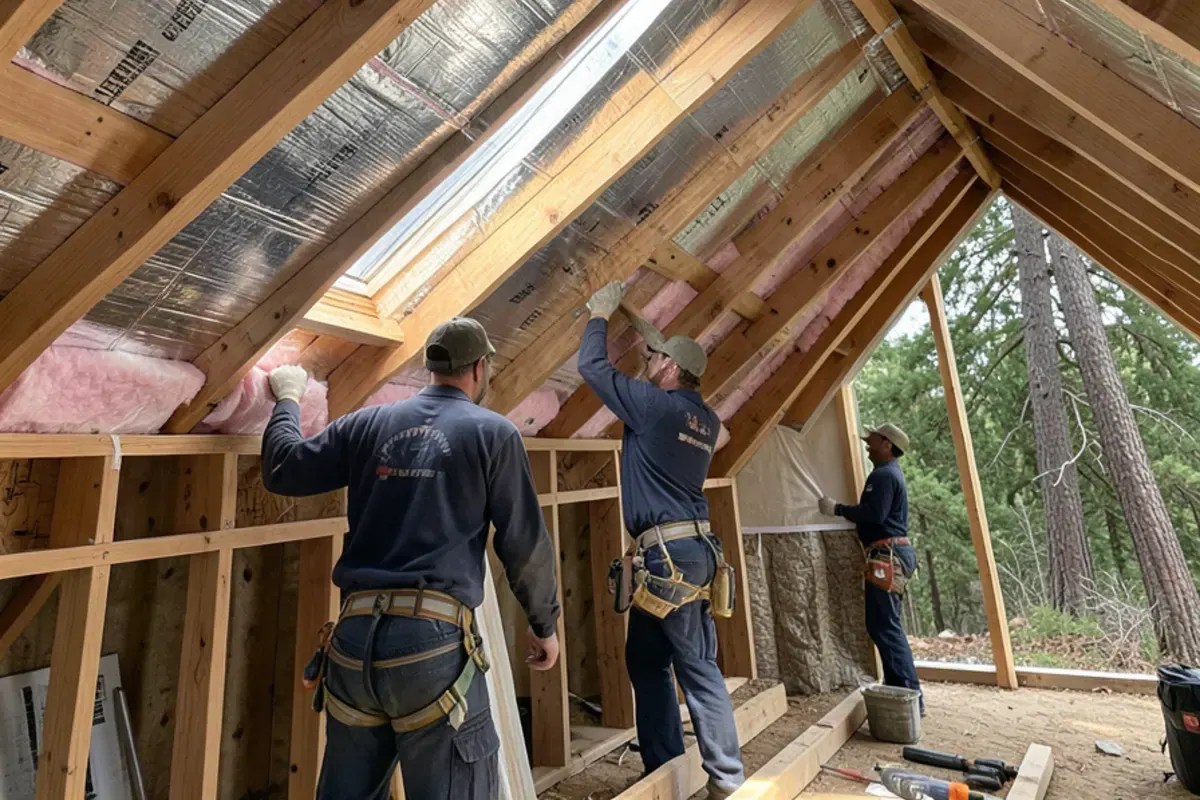
It can be added two ways: as radiant barrier roof sheathing (foil-faced panels) installed during a reroof, or as foil stapled to the underside of the rafters on an existing roof. The sheathing version is cleaner and the cheaper add-on when the roof is coming off anyway.
Attic insulation cost factors to compare
Insulation estimates differ mainly in how much work happens before new material goes in. The variables on yours:
- Removal or not: clean, dry insulation can stay and be topped up; soiled or wet material has to go.
- Attic size and clearance: low-pitch attics crowded with ducts slow every step.
- Air sealing scope: how many penetrations, chases and open soffits need closing.
- Target R-value and material: more depth means more bags, and fiberglass and cellulose price differently.
- Radiant barrier: sheathing during a reroof, or foil stapled to the rafters.
- Testing: suspect materials such as vermiculite are lab-tested before anyone disturbs them.
Why pair attic insulation replacement with a reroof?
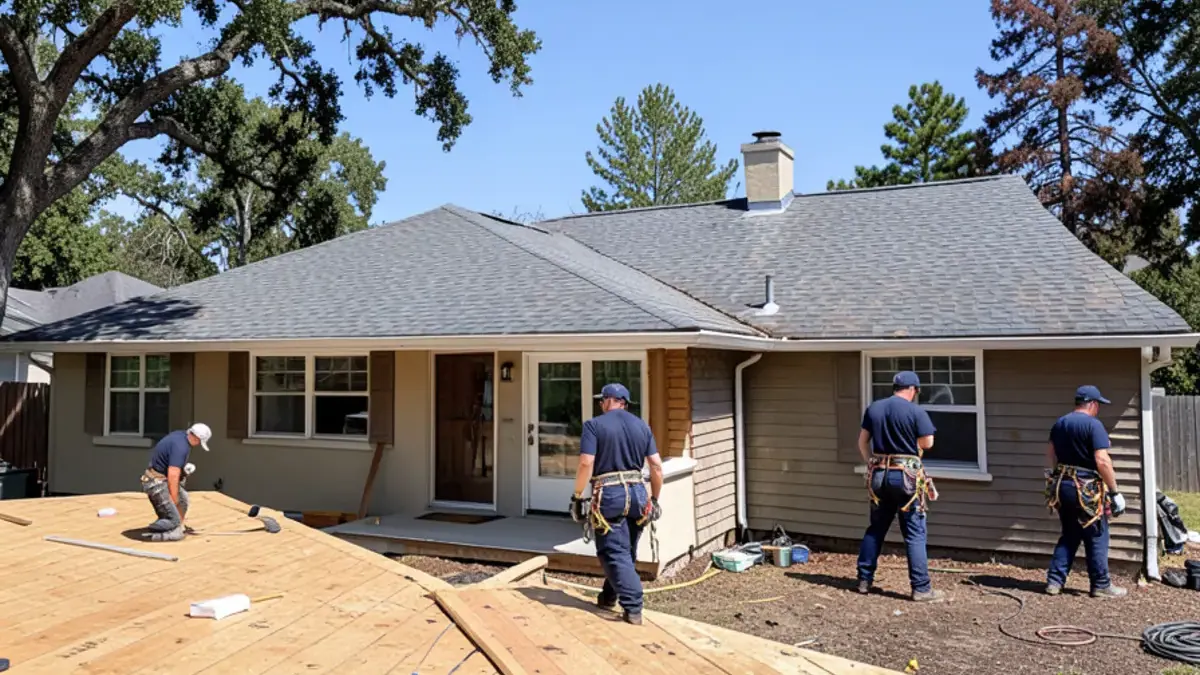
During a tear-off, the deck is open from above, the crew is already managing debris, and the attic is going to see foot traffic for ventilation work anyway. Coordinating the two lets us:
- Install radiant barrier sheathing where the deck is replaced
- Fix eave blocking and baffles from above before the new roof closes them in
- Remove old insulation before new ventilation is balanced
- Blow in the new layer after the roof is done, so it is not disturbed
Why attic work fits with our roofing crew
We are a roofer first, so we see the attic from both sides: deck, vents and insulation in one visit. Our family-run office sends photos with a free written estimate that separates removal, sealing and new material, so you can drop any line. Crews clean up daily, and we say plainly when your current insulation only needs topping up.
Planning a new roof? Ask us to price insulation and a radiant barrier on the same estimate.
Call (725) 745-8803