HOA roofing in Campbell, CA for boards, managers, owners and landlords
- HOA boards and community managers planning a reroof, chasing recurring leaks or updating the reserve study.
- Townhome neighbors whose units share one continuous roof and want it done together.
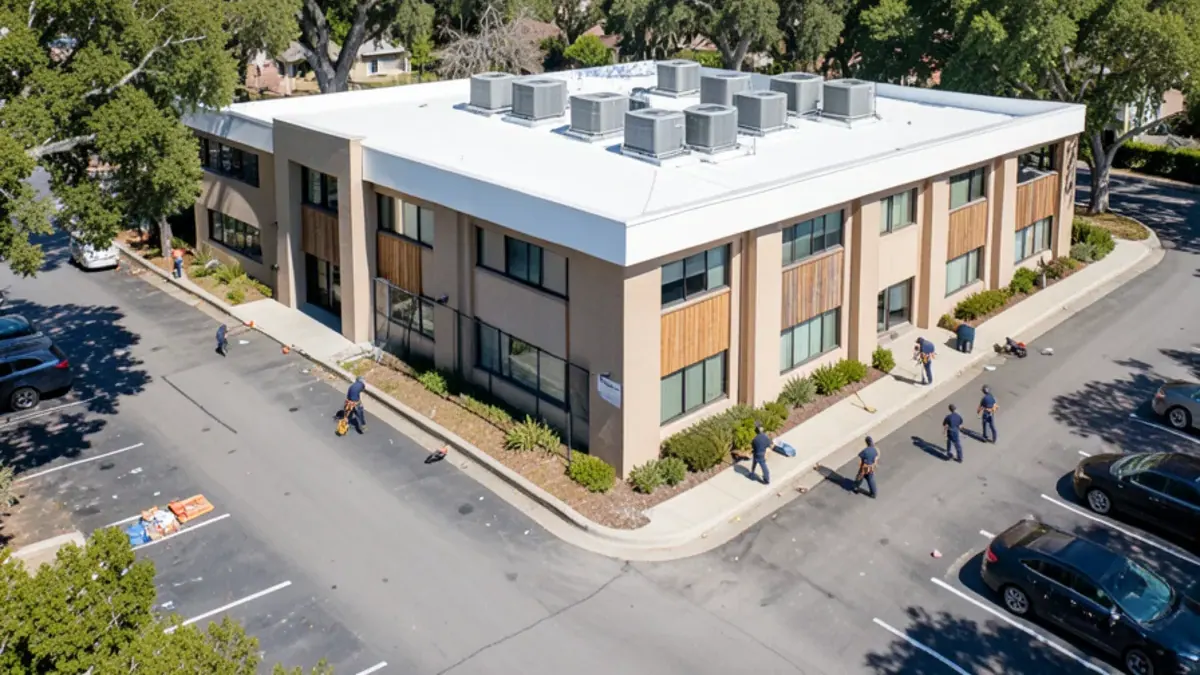
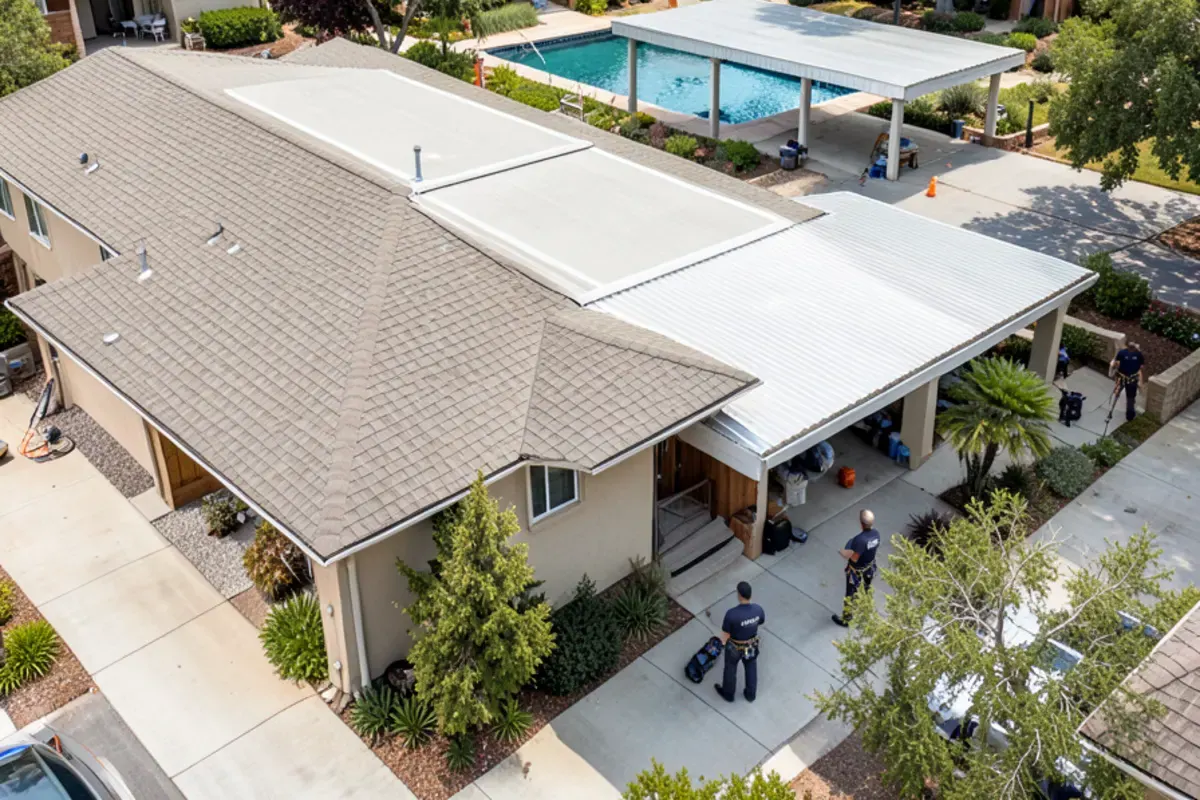
- Condo associations with mixed roofs: pitched shingle or tile over units, flat roofs over corridors and carports.
- Apartment owners and managers who need repairs between tenants and reroofs without vacating buildings.
Campbell and the surrounding South Bay have many townhome and condo communities built from the 1970s onward, with roofs that are now on their second or third cycle. Many mix pitched roofs with flat sections over stairwells, walkways and carports, so one project often touches several roof types.
A multifamily roofing job with us can include:
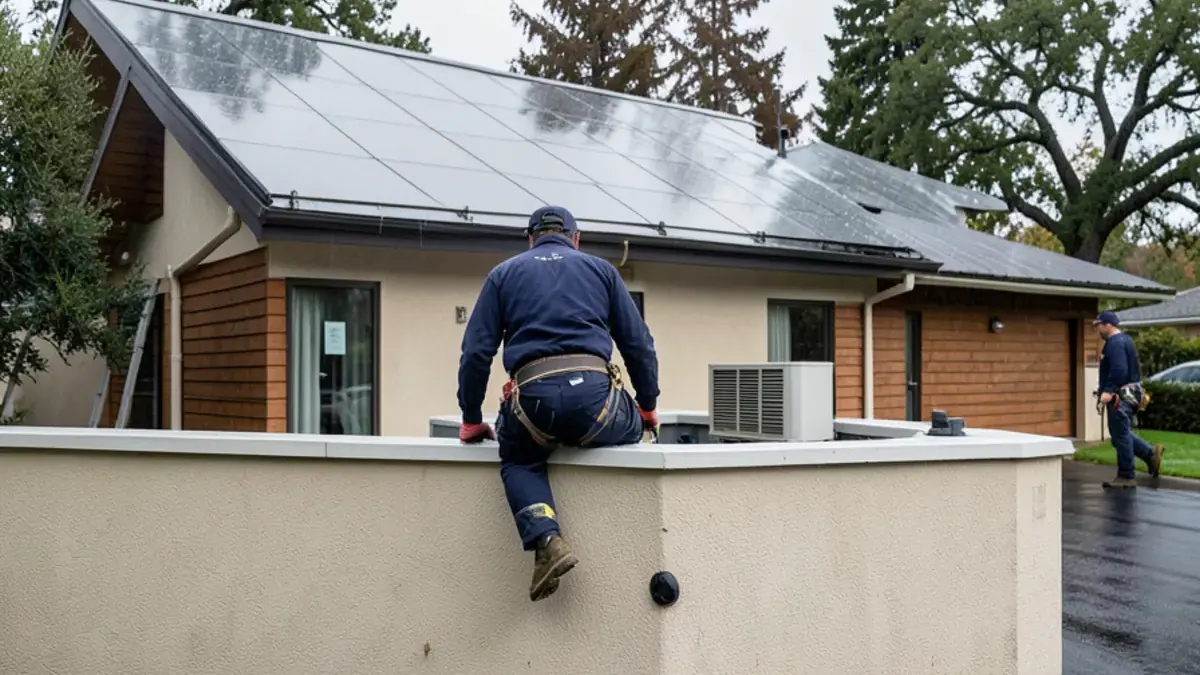
- Leak repair over single units, corridors and carports.
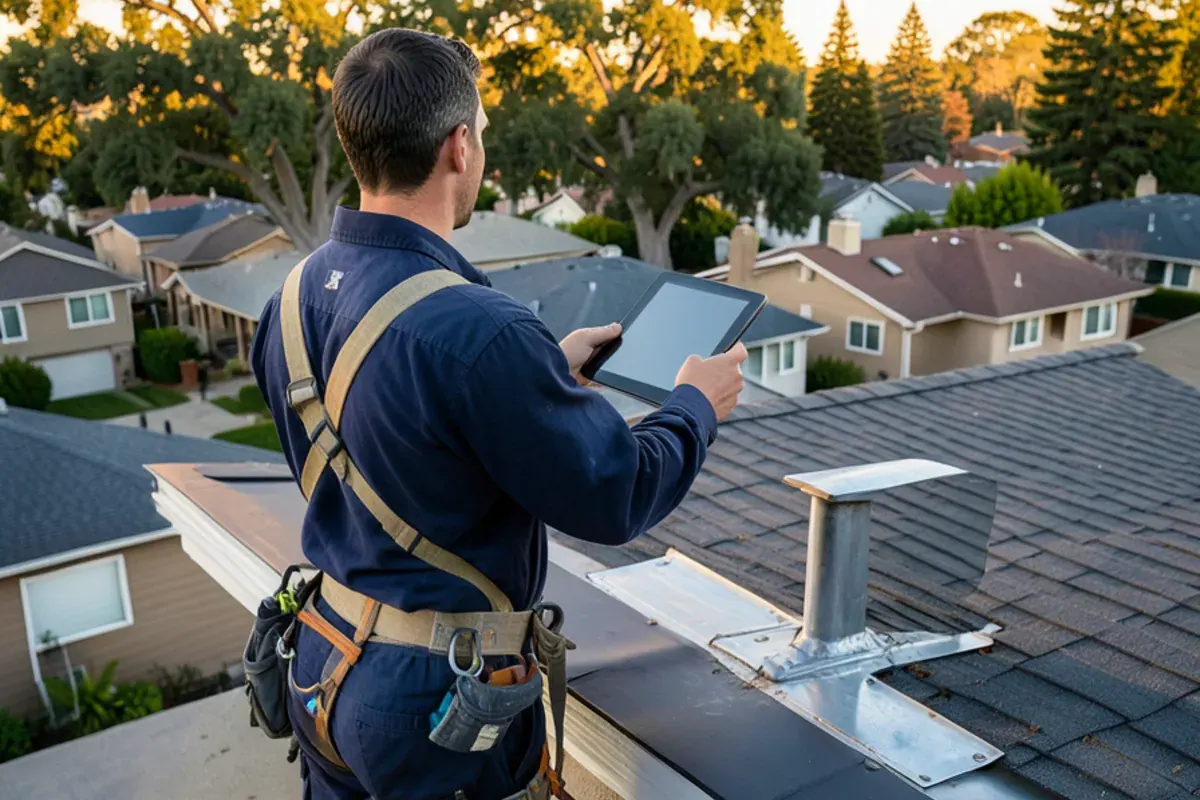
- Condition surveys with photos for the board or reserve specialist.
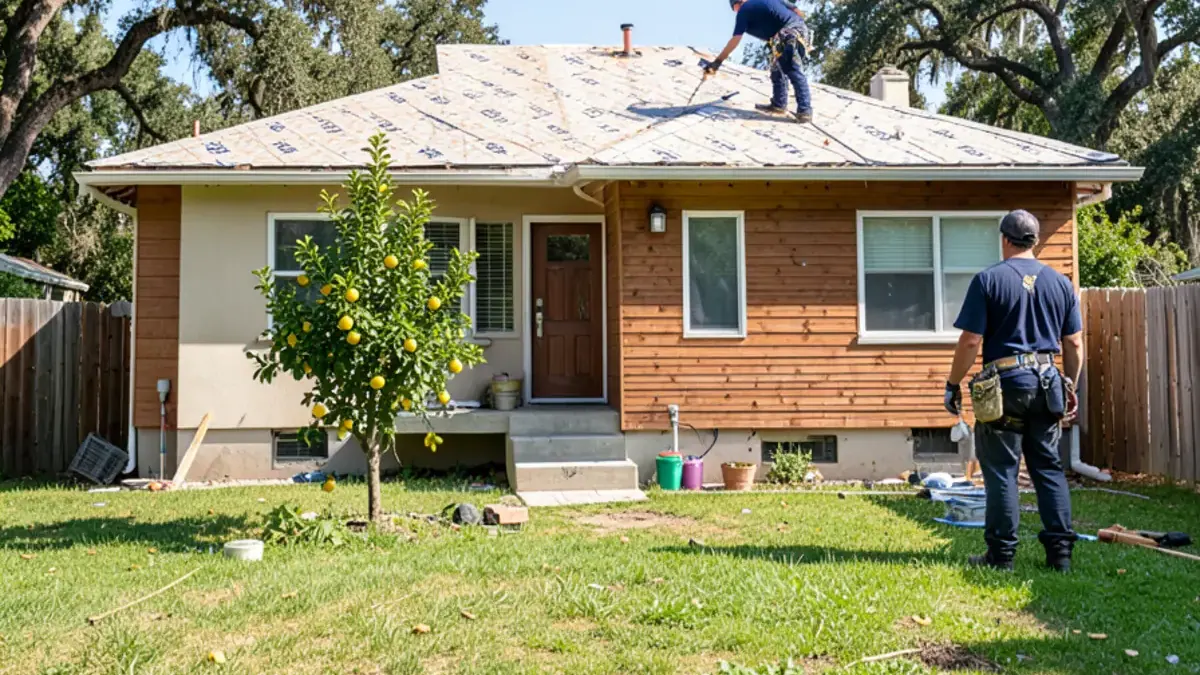
- Phased tear-off and replacement, building by building.
- Low-slope work over stairwells, walkways and carports.
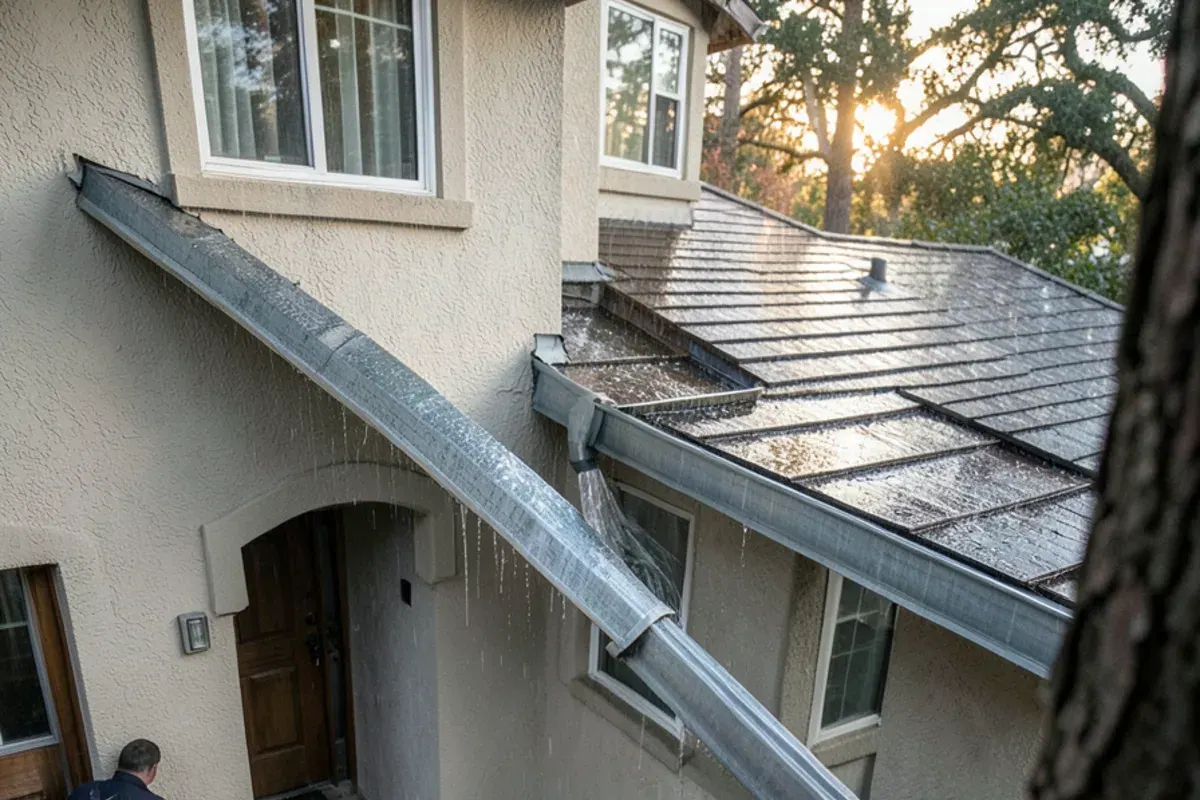
- Gutters, downspouts and attic ventilation on each building.
Signs a community's roofs are due for attention
Multifamily roofs rarely fail all at once; they send small signals, unit by unit. We look for:
- Repeat leak calls from top-floor units in the same building.
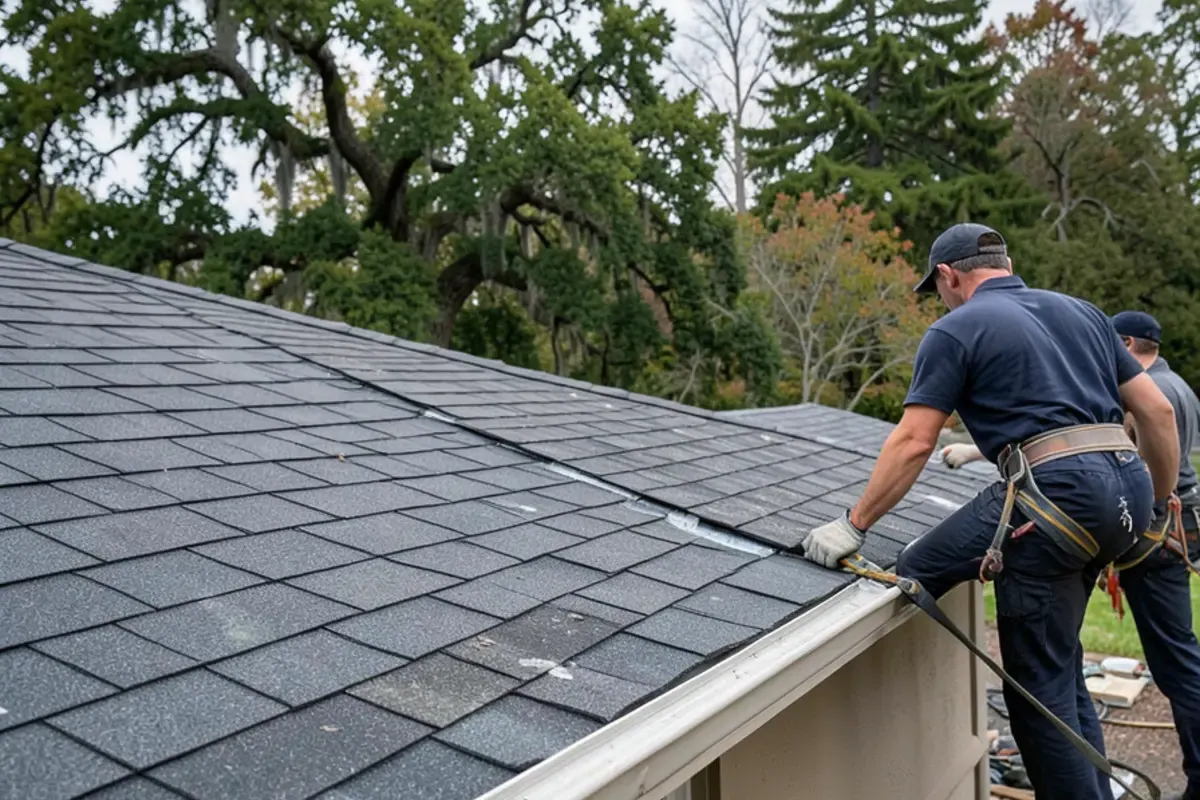
- Granules collecting in downspouts and bare spots on south and west slopes.
- Moss and debris on north slopes under mature trees.
- Long shared gutter runs overflowing against stucco during storms.
- Flat roofs over carports and stairwells holding water after rain.
The local causes repeat from one community to the next: complexes from the 1970s and 1980s on their second roof cycle, summer sun that ages the sunniest slopes first, and winter storms that test every building on the same night.
Questions about hoa & multifamily roofing?
Call first for the quickest answer, or request a free written estimate below.
Request a free written estimate
Fastest answer: call (725) 745-8803. Or send the details below and we will call you back.
How do we coordinate a reroof across several townhome owners?
A shared roof does not stop at the property line, and neither does a leak. Neighbors in connected townhomes have hired us to replace their shared roof in one project, and the process works best when one person, a board member, manager or the owners jointly, signs off on a single scope.
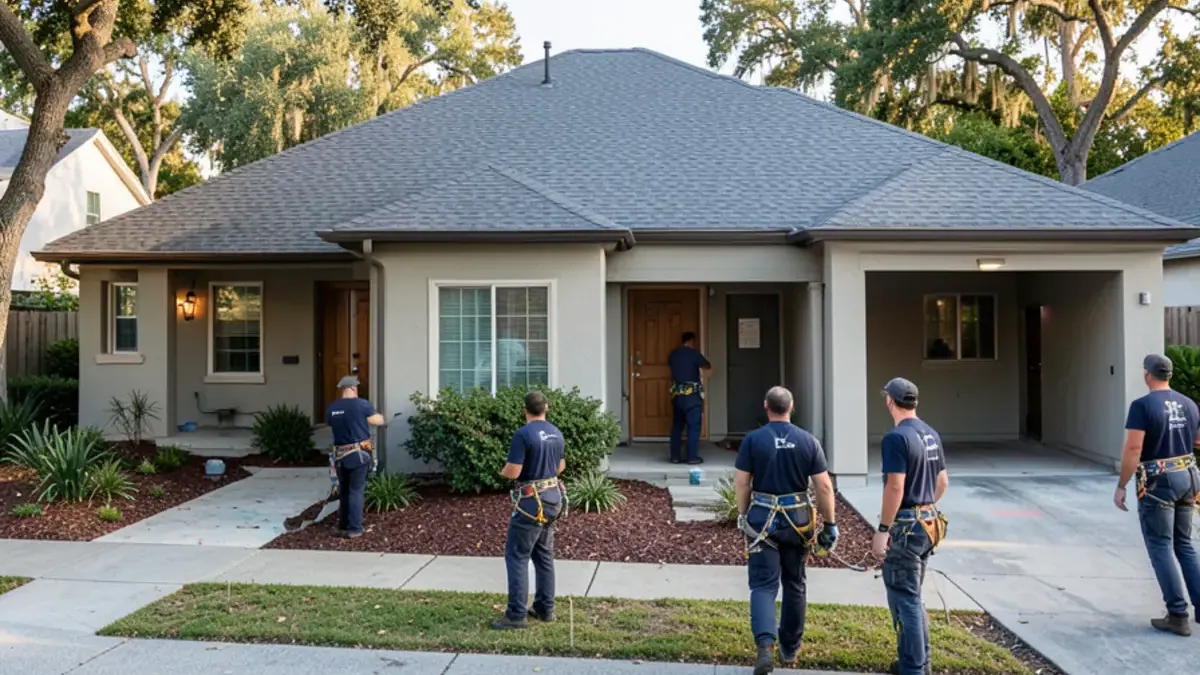
- Walk every unit's roof section and photograph conditions, so each owner sees their part.
- Agree on one material, color and ventilation plan for the whole roof plane.
- Price the work as one scope, with each unit's share broken out if owners pay separately.
- File the permits, one per building where the City of Campbell or the County requires it, and send resident notices through the manager.
- Schedule the tear-off so no unit is left open overnight and party-wall transitions are finished the same day.
- Close out each building with the final inspection, a walk with the manager and a photo set for the association's records.
Can one owner replace their section of a shared roof?
It can be done, but it is rarely the best plan. The new section has to tie into an older neighbor's roof at the party wall, which creates a seam that is the first place to leak. Materials and colors may no longer match, and ventilation that runs across the whole attic may be disrupted.
Who is responsible for which part of the roof is set by the community's CC&Rs, not by the roofer. Check your governing documents and with the association before hiring anyone. Where a single-unit replacement is the only option, we build the tie-in with extra underlayment and flashing and photograph it for both owners' records.
Bids an HOA board can compare line by line
Board members have to explain their vote to every owner. Our estimates separate the work so it can be compared with other bids item for item:
| Line item | What it covers |
|---|---|
| Tear-off and disposal | Layers removed, haul-away and daily cleanup, by building |
| Deck repair allowance | Unit price per sheet or board of replaced decking, with photos of each |
| Underlayment and roofing | Product names and quantities for pitched and low-slope areas |
| Flashing and ventilation | Walls, chimneys, skylights, vents and ridge or attic vent changes |
| Gutters and drainage | Replacement or reuse, downspout routing |
| Permits and inspections | Filing and inspection scheduling with Campbell or Santa Clara County |
| Phasing and notices | Building order, resident notices and access needs |
The biggest swings between communities come from the number of buildings and roof types, how much decking turns out to be rotted, truck and lift access in tight courtyards, and how many phases the board wants to spread the work across.
Keeping residents informed during an HOA roof replacement
- Before work: a notice through the manager with dates, building order, parking changes and what to move from walls and patios.
- Day before each building: a reminder to clear cars from the work zone and secure pets.
- During work: a single point of contact for residents' questions, routed through the manager.
- Each evening: the site cleaned and nail-swept, with walkways reopened.
- At completion: photos and a summary for the board and the association's records.
Work-from-home residents care about noise; we share the loudest days in advance so they can plan around them.
Why boards and neighbors pick a family-run roofer
We are family-run, and the person who walks your roofs answers the board's questions through the end of the job. Estimates are free, written and itemized, with photos of every building. We tell boards honestly which buildings can wait, clean up daily so walkways reopen each evening, and help document storm damage for the association's insurer.
HOA roof reserve planning and multifamily roof repair
California's Davis-Stirling Act requires associations to keep a reserve study, with a visual inspection of major components such as roofs at least every three years. A roofer's photo report gives the reserve specialist a real condition and remaining-life estimate to work from instead of a guess. We can walk your roofs ahead of the next study. Under Civil Code §4775, unless the declaration says otherwise, the association maintains and replaces the common area while owners maintain their separate interests, which is why roof responsibility differs between communities. Every contractor bidding should hold a CSLB C-39 license you can look up.
Separately, California's SB 326 calls for many condominium associations to have elevated balconies and decks inspected on a recurring cycle; ask your manager or association attorney how it applies to your buildings. Between projects, multifamily roof repair keeps the reserve plan on track. Leaks over a single unit, failed flashings and clogged drains are handled the same way as our commercial roof repair work, with photos for the board. Associations adding carports, new buildings or ADUs can see our new construction roofing page.
Board planning a reroof or a reserve update? Call (725) 745-8803 to arrange a roof walk.
Call (725) 745-8803