
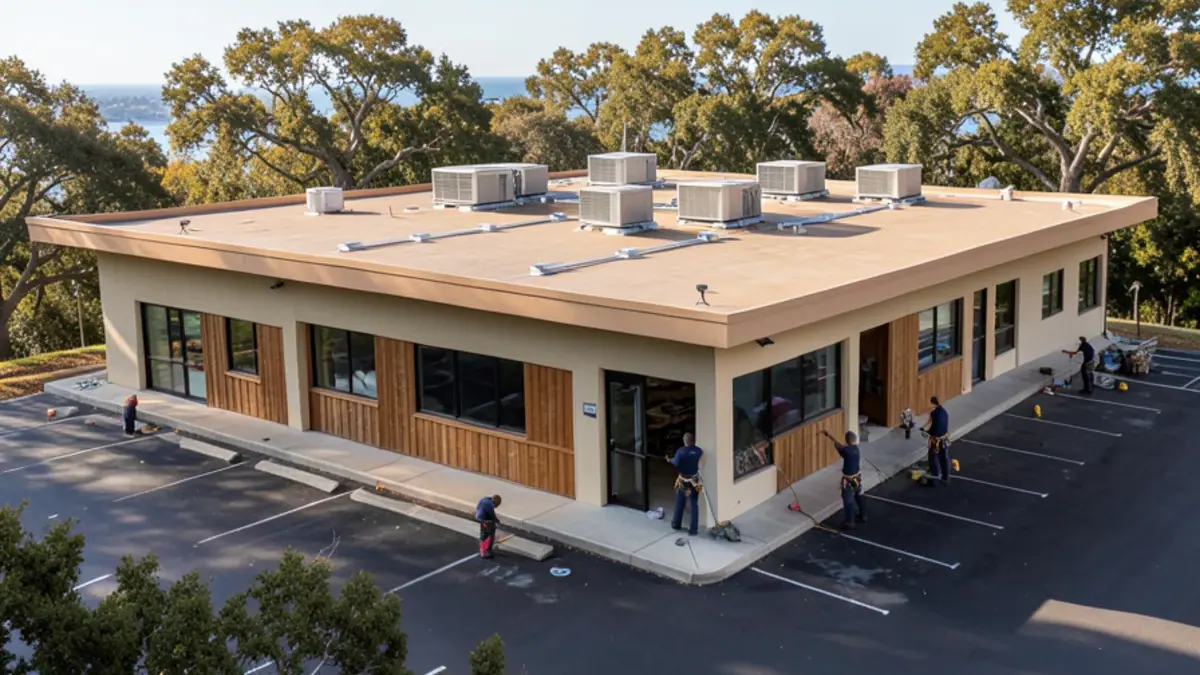
What belongs in a commercial roof maintenance plan?
The plan does not need to be long. One or two pages per property is enough, as long as it answers who looks at the roof, when, what they record and who approves the fix. Build it around these pieces:
- Roof inventory: each roof section's material, approximate age, square footage, drains and rooftop equipment.
- Access and safety: where the hatch or ladder is, who holds the key, and fall-protection rules for anyone going up.
- Inspection schedule: fall and spring visits plus a check after major storms.
- Drain and gutter clearing: dates, and which trees drop the most debris.
- Rooftop trade control: HVAC, solar, signage and telecom crews log their visits so new penetrations get checked.
- Repair approval limit: a dollar threshold under which the roofer can fix a found problem without a new approval.
- Leak reporting path: how tenants report water, and how fast that report reaches the roofer.
Want a roof inventory and inspection schedule set up for your properties? Call (725) 745-8803.
Call (725) 745-8803A twelve-month roof calendar for South Bay buildings
Santa Clara County gets nearly all of its rain from November through March, with January usually the wettest month. That makes the calendar simple: inspect and repair in the dry months, then watch and respond during the wet ones.
| When | Task | Why then |
|---|---|---|
| September–October | Fall inspection, drain and gutter clearing, sealant and flashing touch-ups | Last dry window before the first storms |
| November–March | Post-storm walk after heavy rain; log any interior leaks with date and location | Leaks show up and are easiest to trace while fresh |
| January | Extra drain checks after windy storms | Peak rainfall plus leaf and limb drop |
| April–May | Spring inspection; price repairs found over winter | Roofs are dry enough to walk and test |
| June–August | Larger repairs, coatings, section replacements | Long dry stretches for tear-off and cure times |
| After any rooftop trade visit | Check new penetrations, curbs and debris | Other trades cause many commercial leaks |
What each inspection visit should check
The National Roofing Contractors Association recommends that building owners have roofs inspected at least twice a year, in spring and fall, and after severe weather. A visit is only as useful as its checklist, so put the items in writing and ask for each one to be marked off with a photo:
| Component | What to look for | Common fix |
|---|---|---|
| Drains, scuppers and overflows | Debris, missing strainers, water lines or dirt rings around the drain | Clear, reset strainers, note ponding for the capital plan |
| Field membrane | Blisters, splits, punctures, bare or worn granule surfaces | Patch, or flag the section for a coating or replacement study |
| Seams and laps | Open edges, fishmouths, lifted laps on single-ply or modified roofs | Reweld, reseal or strip in the seam |
| Curbs and penetrations | Loose counterflashing, cracked pitch pans, abandoned openings | Reflash, refill or properly close the opening |
| Parapets, coping and edge metal | Open joints, loose fasteners, sealant pulled away | Refasten and reseal, or replace sections |
| Rooftop equipment | Condensate dripping on the roof, panels left off, new holes | Reroute lines; tell the HVAC vendor in writing |
| Interior ceilings below | New stains, sagging tiles, musty smell near the top floor | Trace from above while the stain is fresh |
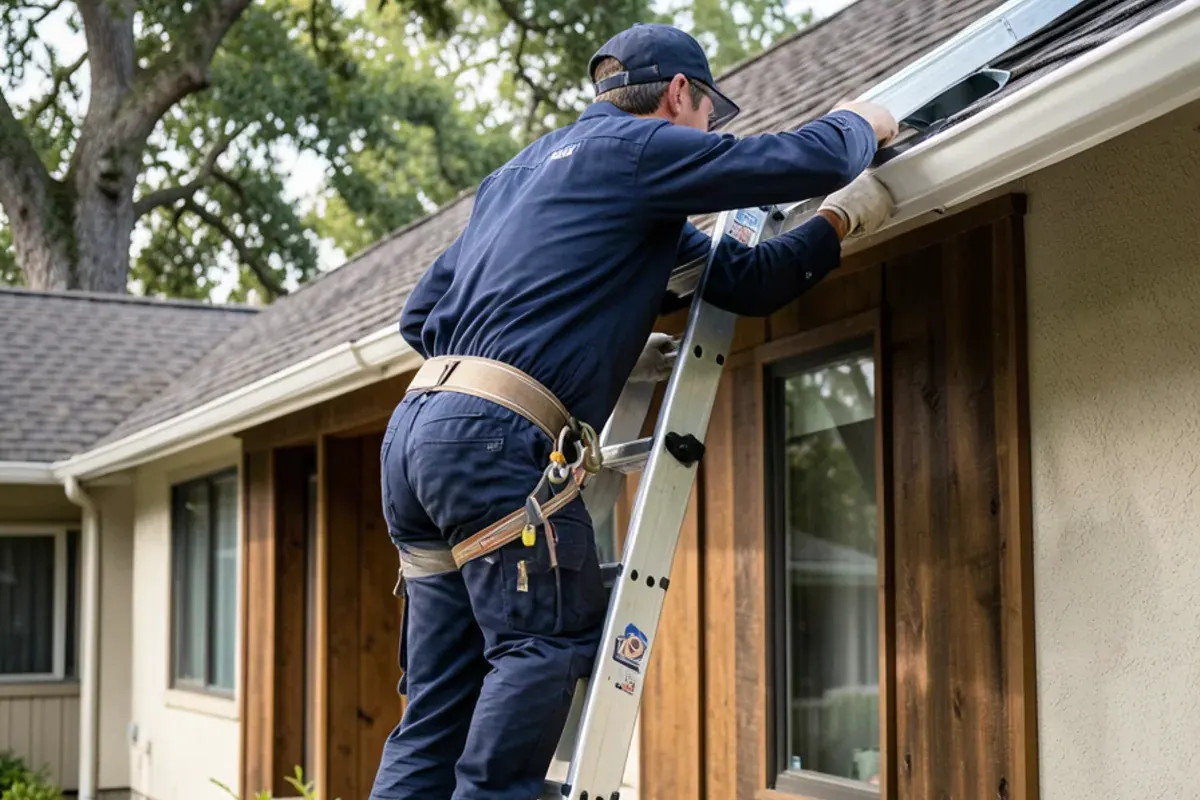
On a tree-lined lot, add a gutter and downspout line to the list. Our roof maintenance visits follow the same component order each time, so this year's report lines up with last year's.
How do you build a roof photo log that pays off later?
A photo log turns a roof from a guess into a record. It helps compare bids, supports insurance claims after storm damage and shows a buyer or lender how the roof has been kept.
- Sketch a simple roof plan and number the drains, curbs, penetrations and corners.
- Photograph the same numbered points from the same angle at every inspection.
- Name files with the property, date and point number so they sort on their own.
- Take a before and after photo of every repair and attach both to the work order.
- Once a year, put this year's photos beside last year's and note what changed.
Ask whoever inspects the roof to deliver photos with the report. Our estimators share photos, and sometimes video, of what they find, which drops straight into a log like this.
Keep the log where the next manager can find it
Property managers change jobs, and roof history often leaves with them. Keep one shared folder per property with the roof plan, inspection reports, photos, permit records, as-built drawings and the manufacturer's material warranty. Read that warranty's maintenance terms: many makers expect the owner to keep the roof maintained and to report leaks in writing, and the log is how you show that you did.
Separating repair budgets from replacement reserves
Mixing routine roof spending with capital planning is how buildings end up replacing roofs early. Keep three buckets. Maintenance covers inspections, drain clearing and small sealant work, and repeats every year. Repairs cover found problems such as a split seam, lifted flashing or a cracked pipe boot; they vary year to year and should be tracked by roof section. Capital covers coating programs and replacement, planned years ahead from the inspection trend.
When repair spending on one section climbs year over year, that is the signal to price a replacement rather than keep patching. Our commercial roof repair estimates are written and itemized by location, which makes that tracking easier. For the bigger picture of flat and low-slope systems, see our overview of commercial roofing.
A worked example of the repair-trend signal
Picture a two-section office roof. Section A logs one repair a year for three years, each in a different spot. Section B logs one repair in year one, two in year two and four in year three, all at seams and curbs near the same rooftop unit. Section A is aging normally and stays in the maintenance bucket. Section B is telling you its membrane or flashing system is wearing out, and it should go into the capital plan for a coating study or replacement pricing before the next wet season.

Rental homes and small mixed-use buildings
Single-family rentals and small storefront-with-apartment buildings need a lighter version of the same plan. Gutters and downspouts matter more than drains, trees matter more than rooftop units, and tenants are the early warning system. Give tenants a simple way to report ceiling stains or drips, and act on reports quickly, since water damage spreads to their belongings and your liability.
Many San Jose and Campbell rentals are 1950s to 1970s ranch homes on their second or third roof, with attics that have not been looked at in years. Add an attic check to the fall visit to spot leaks, rodents and blocked vents before winter, and trim limbs that overhang the roof.
From our roof visits: where commercial roofs fail first
On office and medical buildings, the open field of the roof is rarely where water gets in. Leaks cluster at things added later: equipment curbs, pipe supports, conduit runs and abandoned penetrations from old units that were removed without closing the hole properly. HVAC condensate lines that drip onto the membrane wear a path through the surface over time.
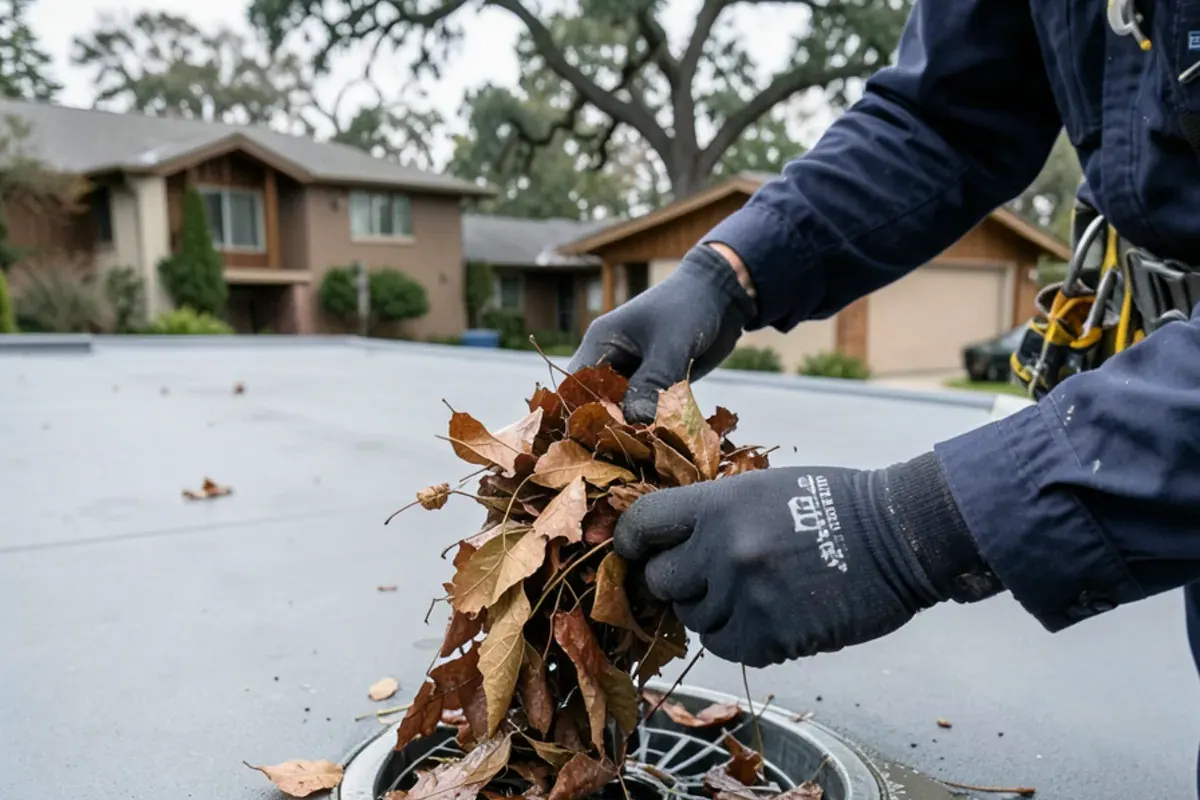
Clogged drains are the second pattern. A single bag of leaves over a roof drain can pond water across a section, and parapet cap seams open slowly with sun and temperature swings. A twice-yearly visit that clears drains and checks every penetration catches most of this. Leak repair on medical and office buildings is regular work for us, and nearly every call starts at one of those details. Plans for buildings in Campbell work the same way, with the city's own permit rules applying to any section replacement.
A maintenance plan has trade-offs of its own. More frequent visits catch problems sooner but cost more each year, so a small single-story building is usually well served by two visits plus storm checks, while a large roof with many units or heavy tree cover may justify a third. Letting building staff clear drains saves visit time, but it puts untrained people on a roof edge; we would rather see that work done by someone with fall protection and a reason to be up there. And no schedule replaces a quick response when a tenant reports water.
Putting the plan into service before the rains
A plan works once it is on the calendar and someone owns it. For most portfolios, the first season looks like this:
- Build the roof inventory and a numbered roof plan for each property.
- Book fall inspections for September or October and clear every drain and gutter.
- Price and approve the repairs found, using the approval limit for small items.
- Set up the photo log folder and the tenant leak reporting path.
- Book the spring visit and review repair trends by section before budget season.
Setting up roof maintenance for an office, retail or rental portfolio? Ask Xylo Fix Roofers for an inspection with a photo report for each roof section.
Call (725) 745-8803