
What does skylight maintenance involve each year?
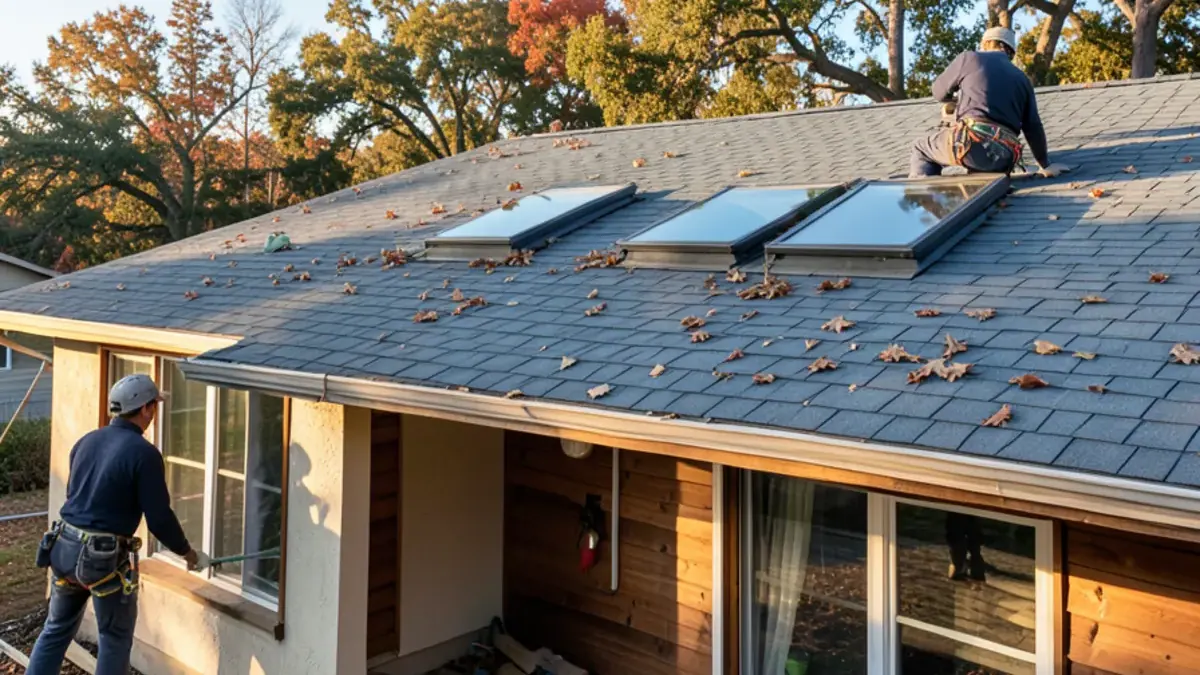
A skylight is a hole in the roof with a window set on a curb, and every part of that assembly ages at a different rate. The glass or dome lasts a long time. The rubber gaskets and sealant around it dry out faster in South Bay sun, and the metal flashing that sheds water around the curb depends on the roofing around it staying intact. A short routine once a year, ideally in September or October, catches most problems before November storms.
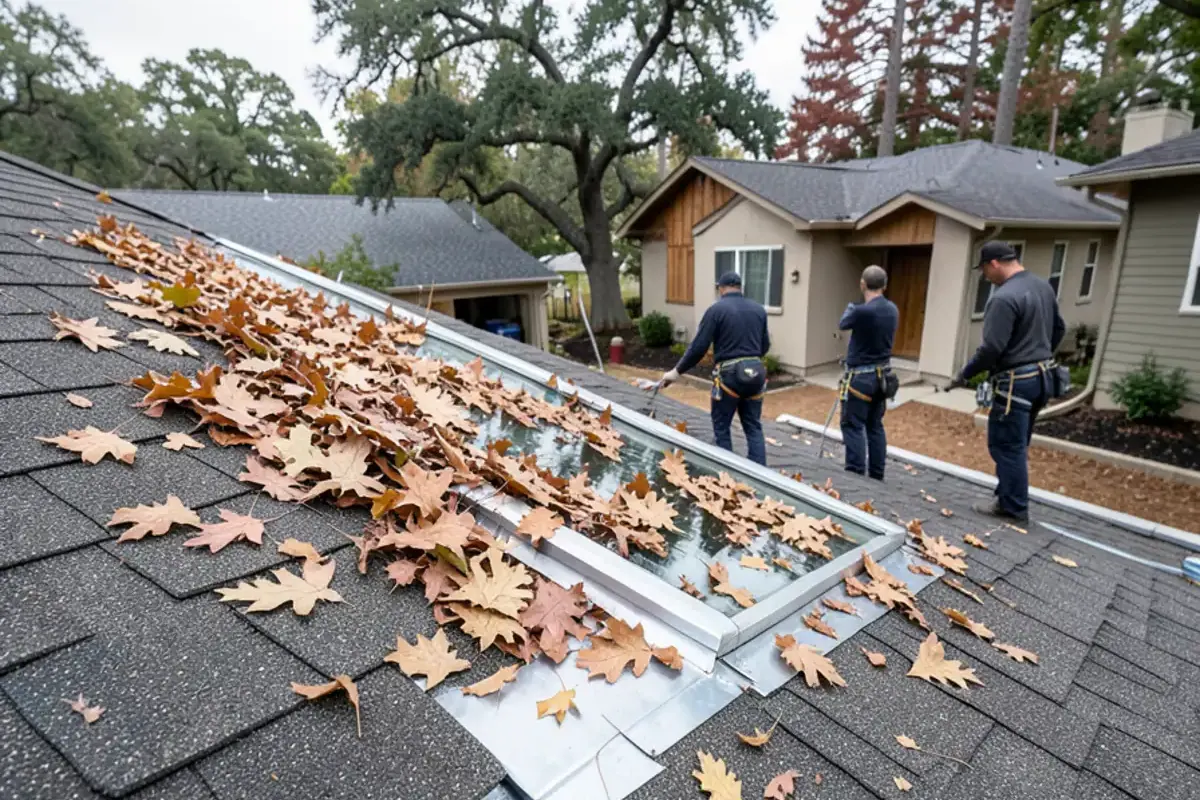
- Look from the ground or a window first. Use binoculars to check for leaves, needles or debris piled on the uphill side of each skylight curb.
- Check the inside frame on a dry day. Note any brown water lines, peeling paint or soft drywall on the light shaft walls.
- Look between the panes. Fog or a milky film trapped between two layers of glass means the insulated seal has failed.
- Inspect venting skylights. Open and close them, clear the screen and check that the weather stripping still presses evenly when shut.
- Recheck after the first heavy rain. A stain that grows after a storm is a leak; one that appears on cold, dry mornings usually is not.
Water around a skylight you can't explain? Ring (725) 745-8803 to have the seals, curb and flashing looked over.
Call (725) 745-8803Is it skylight condensation or a real leak?
Skylight condensation forms when warm, humid indoor air touches glass that has been chilled by a clear winter night. It beads across the whole pane and frame, runs down and can drip, which looks a lot like a leak. Leaks follow the weather; condensation follows indoor humidity and temperature. The table below sorts the usual clues.
| Clue | Points to condensation | Points to a leak |
|---|---|---|
| When it shows up | Cold, clear mornings, even in dry spells | During or a few hours after rain |
| Where the water sits | Evenly across glass and the inner frame | One corner, one side, or a stain on the shaft wall |
| Which rooms | Bathrooms, kitchens, bedrooms with doors shut | Any room; no link to showers or cooking |
| Skylight type | Older single-pane glass or acrylic domes | Any type, often with aged flashing or sealant patches |
| What helps | Running exhaust fans, lowering humidity | Only a repair at the curb, flashing or glazing seal |
Run the bath fan longer, use the kitchen hood and crack a window for a week of cold mornings. If the drips stop, humidity was the cause. We have climbed up for a ceiling stain that turned out to be indoor moisture rather than roof water, so it is worth ruling out before paying for repairs. Our post on ceiling stains from leaks versus humidity covers the same test for other rooms.
How do you cut skylight condensation for good?
The EPA advises keeping indoor relative humidity below 60 percent, and ideally between 30 and 50 percent, to limit mold and moisture damage. A cheap hygrometer tells you where you stand. If the reading sits above 60 on winter mornings, the skylight is simply the coldest surface in the room and shows the problem first.
- Vent bath fans outdoors. A fan that dumps into the attic sends moist air straight past the cold light shaft. Check that the duct reaches a roof cap or wall hood.
- Insulate the light shaft. Where the shaft passes through the attic, bare drywall gets cold and sweats. Batts or rigid board wrapped around the outside of the shaft keep the inner surface warmer.
- Seal the shaft to the ceiling. Gaps at the ceiling line let warm, humid house air rise into the attic and condense on the roof deck around the curb.
- Upgrade the glazing when you replace. A double-pane unit with a low-E coating keeps the inner pane warmer than single glass or a plastic dome.
When do skylight seals and flashing need a pro?
Some skylight problems are housekeeping. Others mean the weatherproofing has failed and the fix has to happen on the roof, where step flashing, counterflashing and underlayment work together. Call a roofer when you see any of these:
- Fog between panes: the insulated glass seal is gone; the glass unit or the whole skylight needs replacing.
- Cracked, crazed or yellowed acrylic domes: brittle plastic can split in wind or under a falling branch.
- Thick sealant smeared over the flashing: a past quick fix that often traps water rather than shedding it.
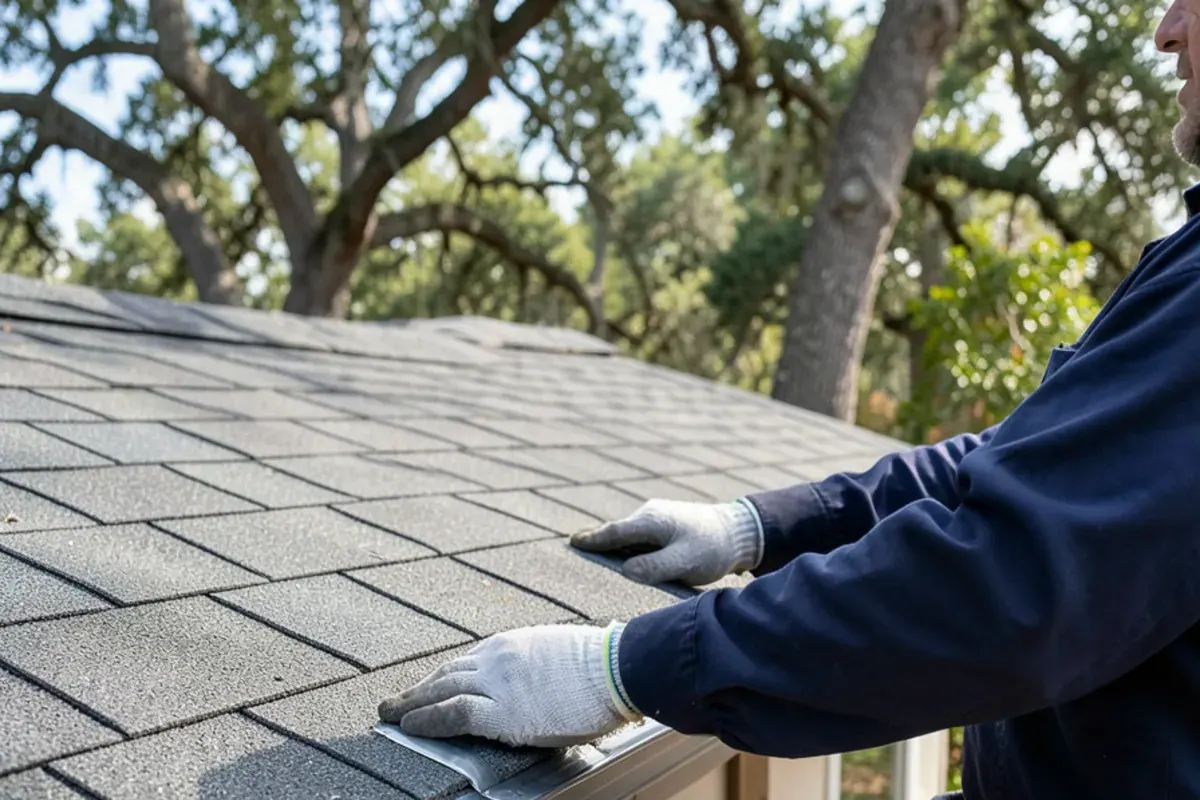
- Rusted or lifted flashing at the curb: water gets behind it and runs down the shaft.
- Soft or dark wood at the curb: rot that needs to be cut out before any new flashing will hold.
- A stain that grows after each storm: water is getting in somewhere around the opening.
Our skylight repair visits start with photos of the curb, flashing and glazing so you can see what we found before deciding. When a unit is past saving, our skylight replacement and installation options cover new flashing kits sized to the existing opening or a resized one.
Low-slope roofs need a taller curb
On flat and nearly flat roofs, water moves slowly and can stand against the curb. The International Residential Code, the model code behind California's residential code, calls for unit skylights on roofs flatter than 3:12 to sit on a curb at least 4 inches above the roof surface unless the maker's instructions say otherwise. A short or crushed curb on an Eichler or a flat garage roof is one of the first things we measure when a skylight there leaks.
What a replacement unit has to meet
Skylight glazing is limited by code to laminated glass, fully tempered glass, heat-strengthened glass, wired glass or approved rigid plastic, and some tempered and heat-strengthened inner panes need a screen below them. New units also carry ratings for U-factor and solar heat gain from the National Fenestration Rating Council. Title 24, Part 6 sets the energy values a replacement must meet, so ask your roofer for the NFRC label numbers on the written estimate.
Skylight cleaning without scratching or slipping
Clean the inside glass from a stable ladder with mild soap and a soft cloth. Skip ammonia cleaners on acrylic, which can cloud it, and never use scrapers or abrasive pads. For the outside, most homeowners are better off leaving it to the next gutter cleaning or roof visit. Tile roofs crack underfoot, wood shake gets slick when damp, and skylight glass is not a step.
If you do reach the exterior safely, rinse with a garden hose at low pressure. A pressure washer can drive water past gaskets and lift sealant. Pine pitch and bird droppings come off with soapy water and patience. Around Cupertino, flat-roofed Eichler homes often have skylights set in low curbs, where leaves collect faster than on a pitched roof and need clearing more than once a season.
From our roof visits: what aging skylights tell us
The glass gets blamed for most skylight leaks, but the water usually enters at the flashing or the curb. Layers of roofing cement added over the years are a common sight; each one cracks, holds a little water against the curb and pushes the next owner toward another layer. Removing that buildup and re-flashing properly tends to solve leaks that patching never did.
Plastic bubble skylights from the 1970s and 1980s turn brittle in the sun, and many South Bay ranch homes still have them. Leaf piles on the uphill side of a curb act like a dam in heavy rain. And the cleanest moment to replace an old skylight is during a reroof, when new flashing ties straight into new underlayment. If you are planning roofing work in Campbell anyway, ask for the skylights to be priced as a line item on the same estimate.
There are honest trade-offs in every skylight repair. Re-flashing a sound unit costs less up front than replacing it, but on a dome that is already brittle or glass that is already fogged, you end up paying for the curb work twice when the unit fails a few years later. Venting skylights bring fresh air into a bathroom, yet they have more gaskets, a motor or crank and a screen to maintain. Tinted or low-E glass cuts summer heat and glare while letting in somewhat less light. We lay these out with photos.
Your skylight plan before the first November storm
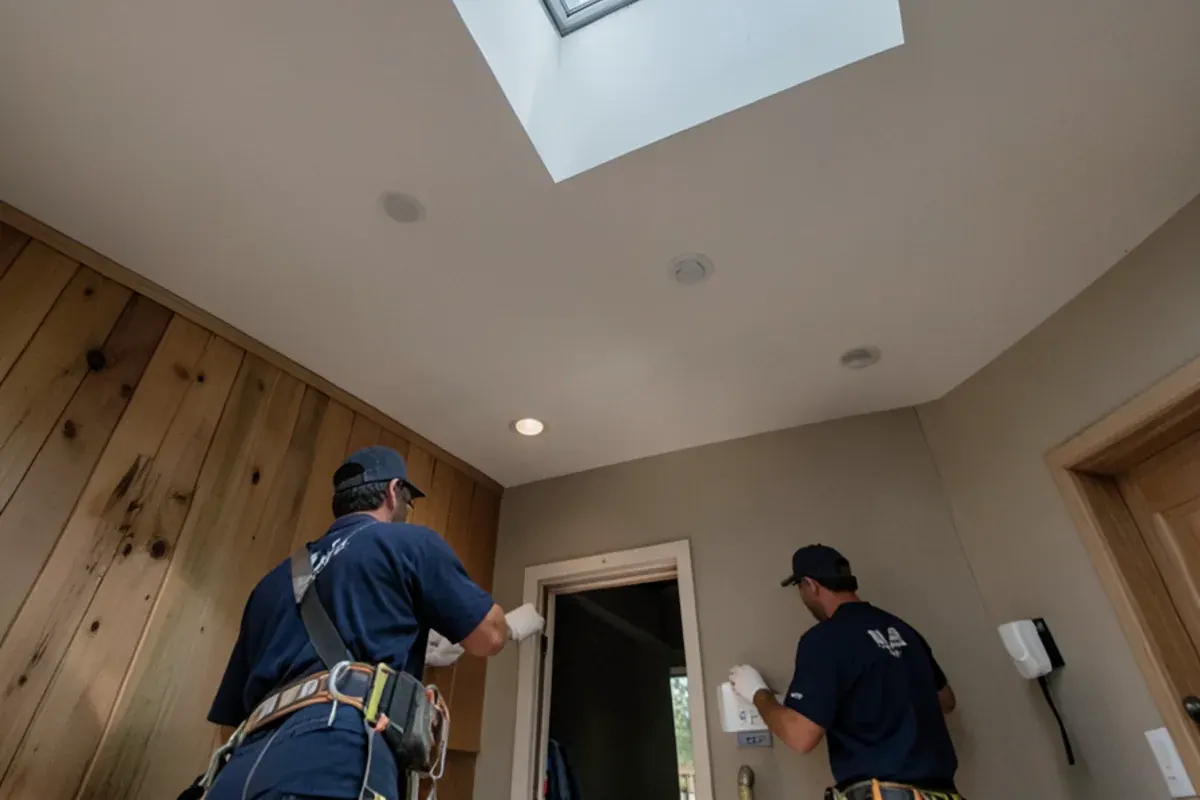
Good skylight maintenance is mostly timing and observation. Clear the curbs and gutters in early fall, watch the inside frame through one cold snap and one real storm, and keep a short record so you know whether a drip follows the weather or the shower schedule.
- Condensation only: fix humidity, venting and shaft insulation before calling anyone.
- Stain after rain at one corner: book a flashing and curb check while the roof is dry.
- Fogged panes or a yellowed dome: plan a replacement, ideally alongside skylight replacement for the other aging units so the flashing is done once.
- Roof due for replacement within a few years: fold the skylights into that project and price them line by line.
Want the seals, curb and flashing photographed before the rains? Call Xylo Fix Roofers and we will set up a skylight check.
Call (725) 745-8803