
Why are California insurers flagging older roofs?
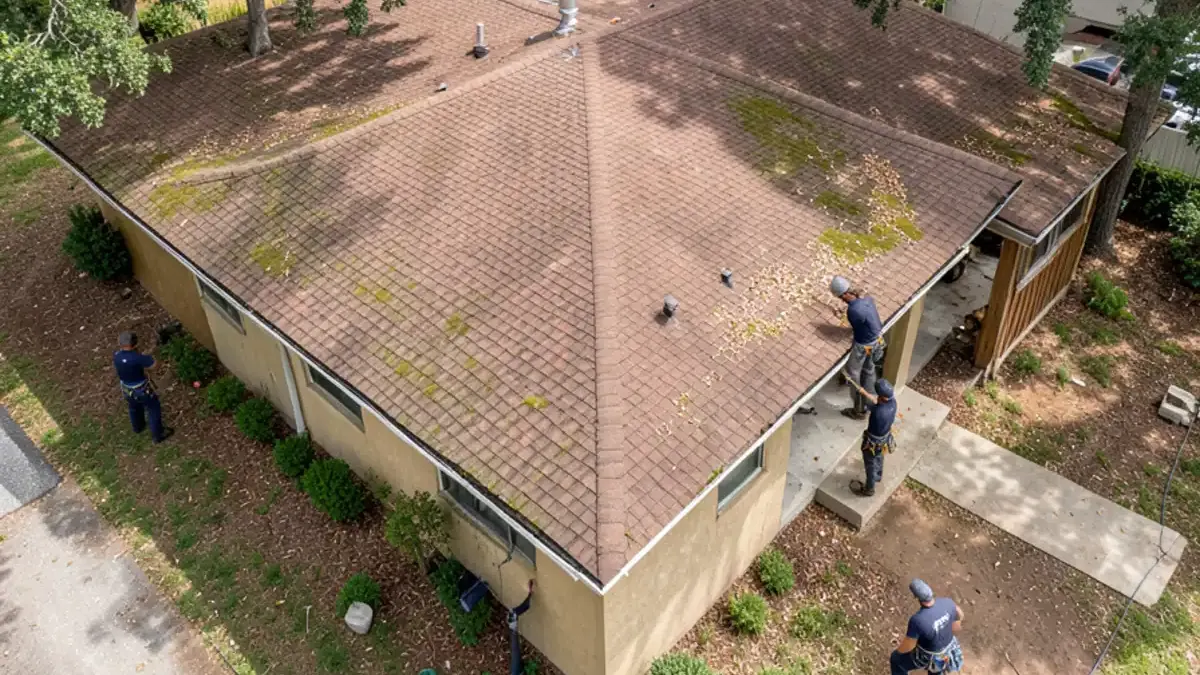
The California insurance market has tightened in recent years, and roofs are one of the first things underwriters look at. Some insurers now review homes with aerial imagery rather than a person on site, so a stained or patchy roof can trigger a notice even when it does not leak.
- Roof age, especially when it is near or past the material's typical service life
- Visible granule loss, curling or cracked shingles
- Moss, heavy debris or discoloration that looks like damage from above
- Patched areas, mismatched sections or a tarp left in place
- Wood shake roofs, which some insurers treat as a higher fire risk
Got a notice that mentions your roof? Call (725) 745-8803 to schedule an inspection with photos you can send to your insurer.
Call (725) 745-8803What should you do the week the notice arrives?
- Read the date. California generally requires insurers to give at least 75 days' written notice before non-renewing a homeowners policy. Confirm the details for your situation with the California Department of Insurance.
- Get the specific reason in writing. Ask your agent or insurer which roof condition triggered the decision and whether photos were used.
- Ask what would change the outcome. Some insurers will reconsider after repairs, debris removal or proof of a newer roof; others will not.
- Book a roof inspection. You need an independent view of the roof's actual condition before spending money.
- Start shopping coverage early. An agent or broker who works with several carriers can tell you which ones accept your roof type and age.
California rules that apply to a homeowners non-renewal
A non-renewal is the insurer's decision, but California sets rules around how it is made and communicated. These are the ones homeowners ask us about most. Confirm how each applies to your policy with the Department of Insurance; we are roofers, not insurance advisers.
- Notice with a reason: the Insurance Code requires advance written notice of non-renewal, and the notice must state the reason. A vague reason is worth questioning with your agent.
- Wildfire moratoriums: after a declared wildfire emergency, the Insurance Commissioner can bar insurers from non-renewing homes in ZIP codes inside or next to the fire perimeter for one year.
- Wildfire risk scores: under the Department's Safer from Wildfires regulations, insurers that use a wildfire risk model must tell you your score on request and give you a way to appeal it.
- Mitigation discounts: the same regulations require insurers to recognize listed mitigation steps, including a Class A roof, ember-resistant vents and a cleared zone near the house, in their rates.
Can a roof certification change the insurer's decision?
Sometimes. A roof certification is a roofer's written statement, after inspection and any needed repairs, that the roof is in sound condition and expected to perform for a stated period. It is common in California home sales and can also serve as evidence for an insurer.
It works best when the insurer's concern is appearance or uncertainty rather than age alone. If the notice says the roof is simply too old for the insurer's guidelines, a certification may not change their decision, though it can help with another carrier. Whether an insurer accepts it is their call.
Building an evidence packet for your agent or insurer
Underwriters respond to documents, not reassurance. Whether you are appealing to your current insurer or applying with a new one, assemble the packet before the deadline gets close.
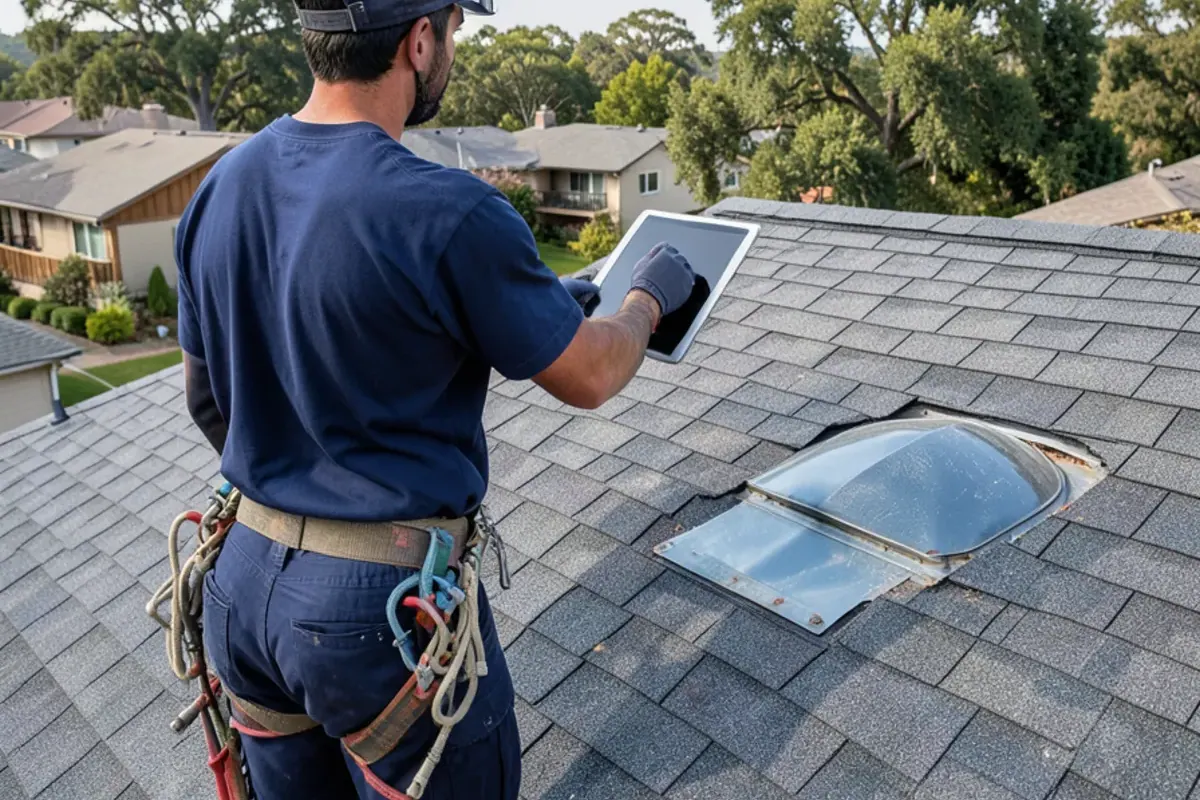
- A dated inspection report with photos of every slope, the flashing, the ridge and the attic, from a roof inspection done by a roofer who did not sell you the roof in question.
- Proof of the roof's age. Your city or county building department can usually provide permit and final-inspection records for the last reroof; a dated invoice helps too.
- Repair invoices that name what was fixed, with before-and-after photos taken from the same angle.
- Product data showing the roof covering's fire classification, especially if you are in a mapped fire zone.
- Mitigation records for vents, gutters and the area next to the house, matched to the Safer from Wildfires list.
Keep everything in one file, and send copies rather than originals. If you switch carriers, the same packet shortens the next application.
Repair, reroof or switch insurers: comparing the paths
| Path | When it fits | Trade-offs |
|---|---|---|
| Targeted repairs and cleaning | Roof is sound; concern is moss, debris or a few damaged areas | Lowest cost; insurer may still decline on age |
| Roof certification | Roof is in good shape but looks worn from above | Needs a clean inspection; acceptance varies by insurer |
| Full replacement | Roof is near end of life or the insurer requires it | Highest cost; resets age and can add fire-resistance |
| Another admitted insurer | Your roof meets other carriers' guidelines | Takes shopping time; premiums vary widely |
| California FAIR Plan plus a difference-in-conditions policy | No traditional carrier will write the home | FAIR Plan is a last-resort fire policy; other perils need the second policy |
From our roof visits: what aerial photos pick up
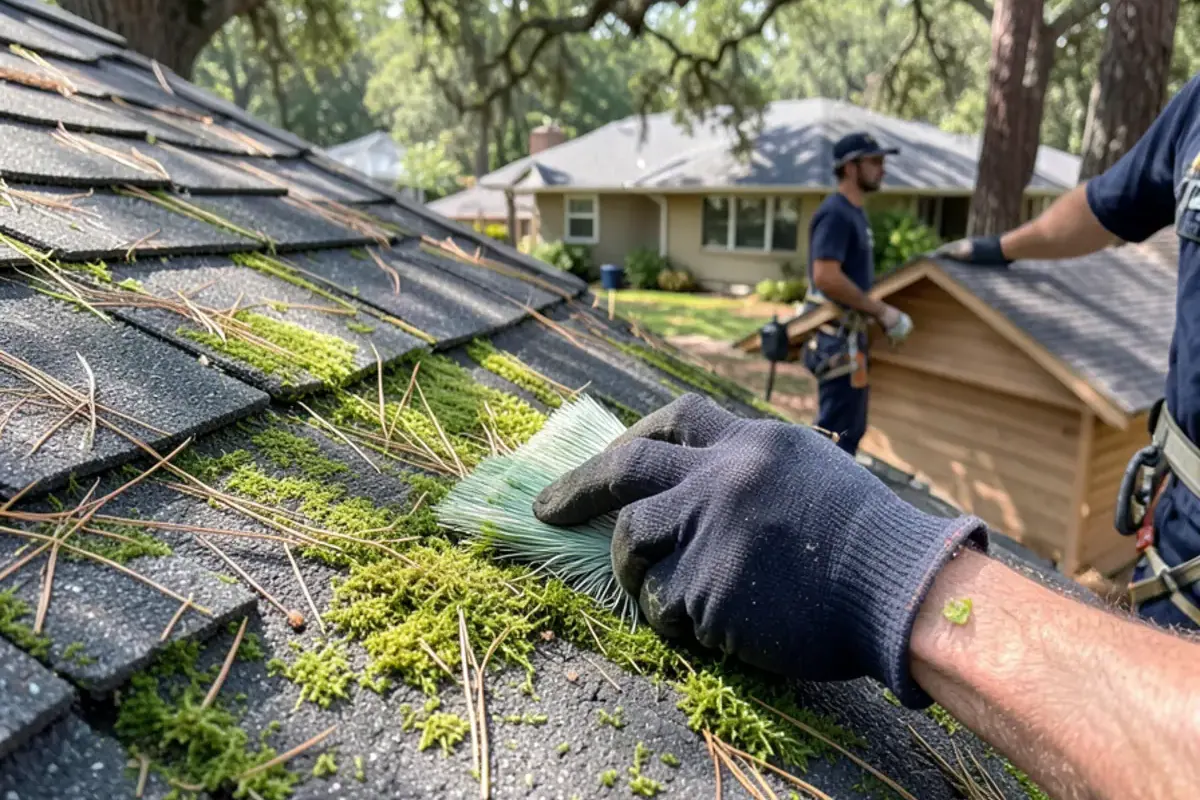
A roof that looks alarming from above is not always a failing roof. Moss in shaded areas, pine needles in valleys and dark streaks from algae can all read as damage on an overhead photo. Cleaning those off and replacing a few damaged pieces is sometimes all a sound roof needs.
The reverse also happens. A roof that looks uniform from the street can have brittle shingles, failed flashing and soft decking at the eaves. We photograph what we find on every slope and in the attic, so you see the same evidence we use to recommend repair or replacement.
Honest trade-offs before you spend money
Spending on repairs before you know whether the insurer will reconsider is a gamble, so ask the question first. Replacing a roof that still has useful years left gives up that remaining life in exchange for a cleaner underwriting file, which can be the right call when coverage options are thin, but it is still a trade. Cleaning has a catch too: pressure-washing moss off asphalt shingles strips granules and shortens the roof's life, so we remove growth with gentler methods. And a certification only helps if the roof genuinely earns it; we will not sign one for a roof that needs work first.
Fire zones, Class A roofs and the FAIR Plan
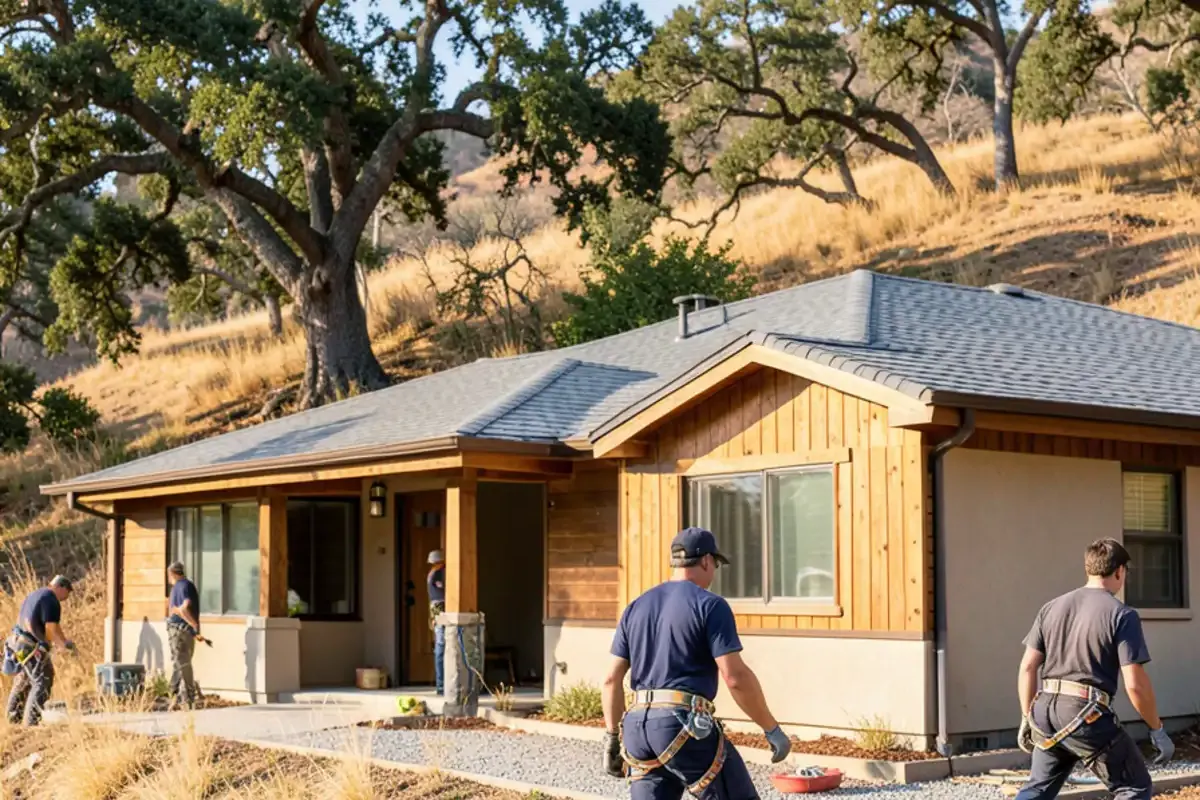
In CAL FIRE mapped Fire Hazard Severity Zones, California's wildland-urban interface rules call for Class A roof assemblies and ember-resistant vents on new roofs. Foothill communities such as Saratoga include mapped zones. The Department of Insurance's Safer from Wildfires framework also lists a Class A roof among the mitigation steps insurers are expected to recognize with discounts; ask your insurer how they apply it.
If you decide to replace, a roof replacement with a Class A assembly resets the age question and can address fire concerns at the same time. Homeowners near our base can also read about roofing in Campbell, where many 1950s-70s homes are on their second or third roof.
Whatever path you choose, start early. Inspections, repairs and a new carrier's underwriting all take time, and the notice period is the window you have to use.
Non-renewal notice on the table? Call (725) 745-8803 for an inspection report with photos your agent can review.
Call (725) 745-8803