

How to choose a roofing contractor: start at the CSLB
In California, a CSLB contractor's license is required once labor and materials together reach $1,000, and for any work that requires a building permit. Reroofs need permits, so the rule covers nearly every roof project. The free online lookup at cslb.ca.gov takes a few minutes. Ask for the license and run it yourself:
- Search by business name or the license the roofer gives you, and confirm the name and address match the estimate.
- Check that the status reads active, not expired, suspended or inactive.
- Look for the C-39 Roofing classification, the license class for roofing work.
- Review the bond and workers' compensation entries the lookup shows.
- Read any disciplinary actions or legal actions listed on the record.
A business card, truck lettering or a website is not proof. Only the CSLB record is.
What the bond line on the record means
Every active CSLB license carries a contractor bond, and since January 2023 the required amount has been $25,000. That bond is a limited pot of money a consumer can claim against for certain violations, not coverage for the full value of a reroof. Treat it as one more sign the license is in order, not as protection for the whole job.
Salespeople need their own registration
People who sell home improvement contracts for a contractor, including many door-to-door representatives, must be registered with CSLB as Home Improvement Salespersons. Their registration is searchable on the same site. A salesperson who will not give you a name to look up is a reason to slow down.
Questions about what a roofing estimate should cover? We're glad to go through one with you at (725) 745-8803.
Call (725) 745-8803What insurance proof should a roofer show?
Roofing is high-risk work, and two kinds of coverage protect you. Workers' compensation covers injuries to the crew on your property. CSLB rules require roofing license holders to carry workers' compensation even if they report no employees, and the license lookup shows the policy on file.
General liability coverage pays for damage to your home or a neighbor's property during the job. Ask for a certificate of insurance naming you as the certificate holder, and call the insurer listed on it to confirm the policy is current. A certificate sent directly from the insurer or agent is better than a photocopy.
What should a written roofing estimate include?
Comparing estimates only works when each one describes the same job. Lay them side by side and check each line:
| Line item | What a clear estimate says | Warning sign |
|---|---|---|
| Tear-off | Number of layers removed, down to the deck | Not mentioned, or overlay implied |
| Decking | Unit price per sheet for replaced sheathing | Open-ended extra charges for rot |
| Roofing product | Manufacturer, product line and color | Generic terms only |
| Underlayment | Type and coverage | Missing entirely |
| Flashing and vents | New flashing at walls, chimneys, skylights; vent count | Reuse of old flashing unstated |
| Permit | Who pulls it and which inspections | Suggests skipping the permit |
| Cleanup | Daily cleanup, magnet sweep, haul-away | No mention |
| Terms | Manufacturer warranty from the maker; workmanship terms in writing | Verbal promises only |
| Payment schedule | Deposit, progress payments tied to completed work | Large payment up front |
Permits, payment schedules and your right to cancel
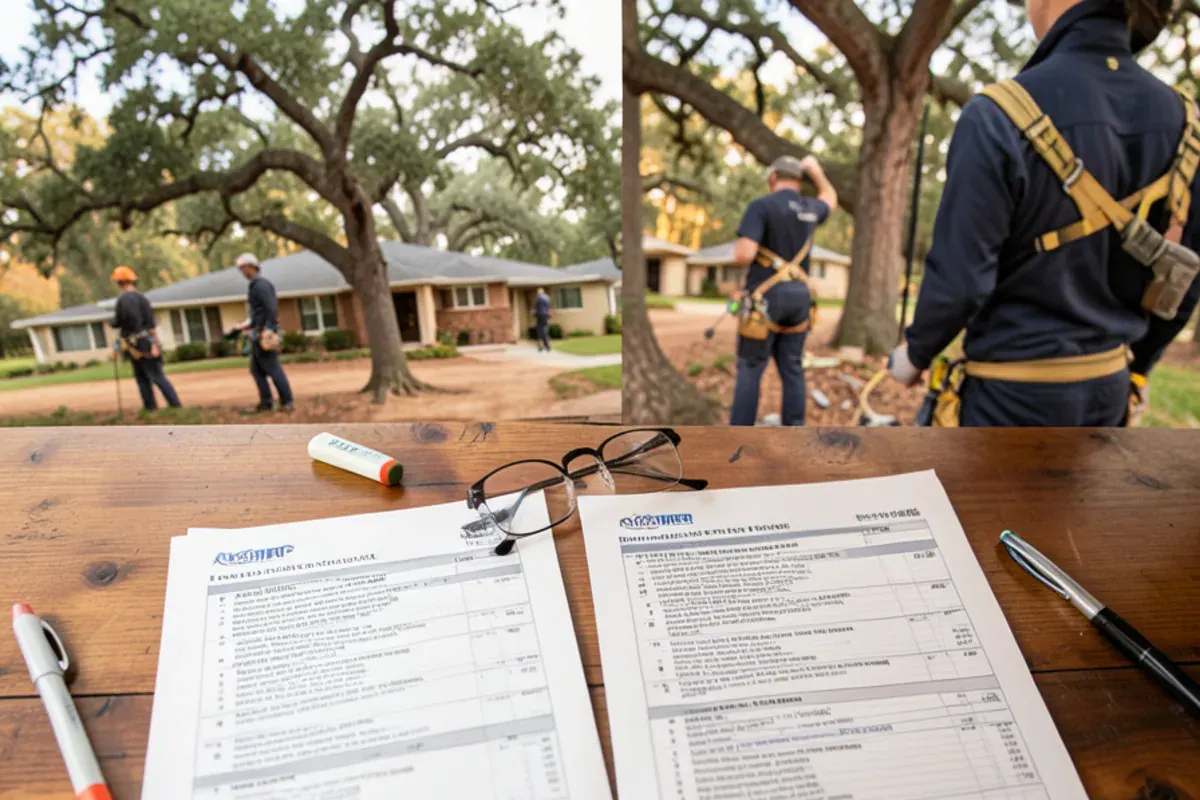
Campbell takes reroof permit applications online through MyGovernmentOnline, and only an owner-builder or a contractor holding the C-39 roofing classification can pull one; the city then inspects the sheathing nailing and the finished roof. Many Campbell- and San Jose-address parcels are actually unincorporated Santa Clara County land, permitted through the County Planning and Development Department. A contractor who knows which office handles your address is a good sign.
California law caps the down payment on a home improvement contract at $1,000 or 10 percent of the contract price, whichever is less. Later payments should track work actually completed, not run ahead of it. Home improvement contracts generally include a three-day right to cancel, with a longer period for buyers 65 and older; CSLB explains the notice the contract must contain. If you are asked to sign a contract that skips these, pause.
Mechanics liens and lien releases
California home improvement contracts must include a Mechanics Lien Warning, and it is worth reading. A supplier or subcontractor who is not paid can record a lien against your home even if you paid the roofer in full. You may receive a preliminary notice from a supplier early in the job; that is normal and simply preserves their rights. The protection is to ask for a lien release from the contractor, and from major suppliers named in preliminary notices, each time you make a progress payment, and to keep copies with the contract.
Seniors get a longer cancellation window
CSLB's guidance for seniors explains that buyers 65 and older have five business days, instead of three, to cancel a home improvement contract. The contract has to spell out the cancellation notice. If a relative is helping an older parent choose a roofer, read that page together before signing anything.
Questions worth asking at the estimate visit
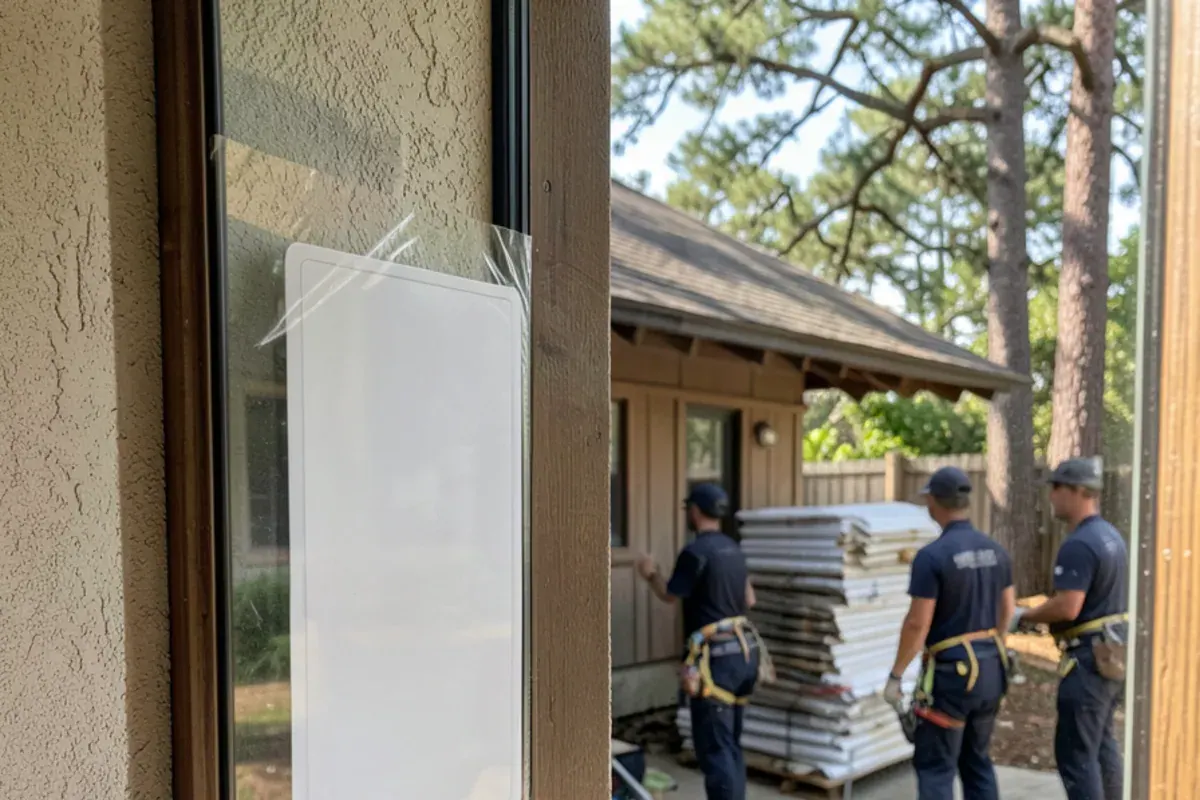
An estimate visit is also an interview. These questions take ten minutes and tell you how the job will actually run:
- Will you go into the attic, and will I get photos of what you saw?
- Who supervises the crew on site each day, and how do I reach them?
- If you find rotted decking, how is it priced and how will you tell me before you replace it?
- How do you protect landscaping, and how much roof is opened at once before it is dried-in?
- Will any part of the work be subcontracted, and to whom?
- How are change orders handled? California requires them in writing on a home improvement job.
Answers that are specific and unhurried are a good sign. Vague answers, or impatience with the questions, tell you something too. If you want an independent baseline before calling for bids, a roof inspection gives you a written condition report to hand every bidder.
Roofing contractor red flags
- Door-to-door offers after a storm, especially from out-of-area crews pushing a fast signature.
- A deposit request above the legal cap, or cash-only payment.
- An offer to cover or waive your insurance deductible, which can expose you to claim problems.
- No physical business address or a name that doesn't match the CSLB record.
- Pressure to sign today for a price that expires tonight.
- A suggestion to skip the permit to save time or money.
- A one-line scope with no product names, no flashing details and no decking price.
After the winter atmospheric-river storms that hit the South Bay, door-knocking crews tend to appear in the same neighborhoods as fallen trees. A legitimate roofer can wait for you to check the license and compare bids.
From our roof visits: what clear estimates have in common
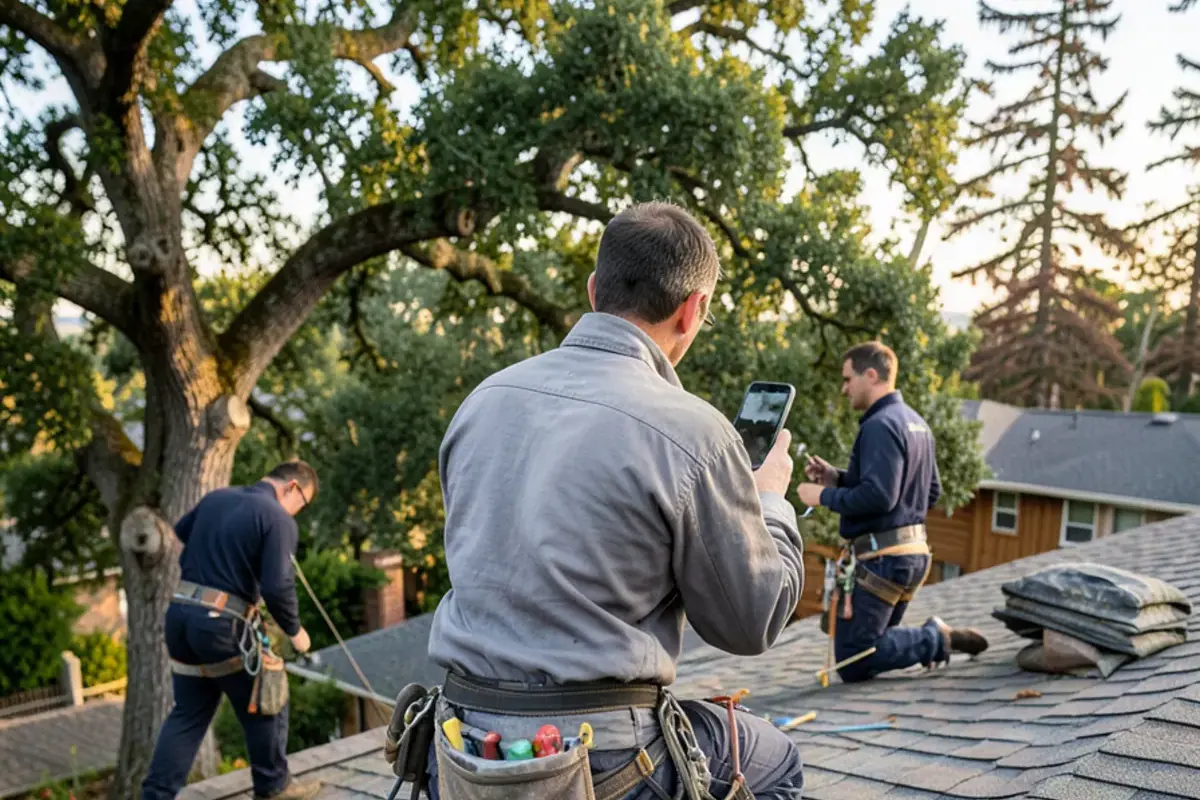
The estimates that lead to the fewest surprises share a few habits. They come with photos of what the estimator saw on the roof and in the attic, so the homeowner can see the problem rather than take it on faith. They are itemized, so a homeowner can drop a line or compare it with another bid. And they name the products, not just the category.
We work that way on every estimate, with written, itemized pricing and photos, and sometimes video, of what we found. Whether you are hiring for a repair or a full reroof, our pages on roofing services in Campbell and residential roofing describe how a project runs from inspection to cleanup. Use the checklist above on any roofer you talk to.
Choosing a roofer has trade-offs, and it helps to name them. The lowest bid often prices a smaller scope, such as an overlay, reused flashing or no decking allowance, so it may not be the lower cost once the job is done. A contractor with a full calendar may not start for weeks, while the crew that can start tomorrow may be filling a gap for a reason. A local contractor is easier to reach after the job, but local alone does not make a bid better; the CSLB record, the written scope and the payment schedule still decide it.
Your roofer hiring checklist, in order
- License: active, C-39 Roofing, name and address matching the estimate.
- Coverage: workers' compensation on the CSLB record, liability certificate confirmed with the insurer.
- Scope: tear-off, decking unit price, product names, flashing, ventilation and cleanup in writing.
- Permit: who pulls it, from which office, and which inspections follow.
- Money: down payment within the legal cap, progress payments tied to finished work, lien releases with each one.
- Paperwork: cancellation notice, lien warning and written change orders in the contract.
Run the same checklist on every roofer you talk to, then compare the estimates line by line.
Want one more written, itemized estimate with photos to compare? Call Xylo Fix Roofers to set up a free estimate.
Call (725) 745-8803